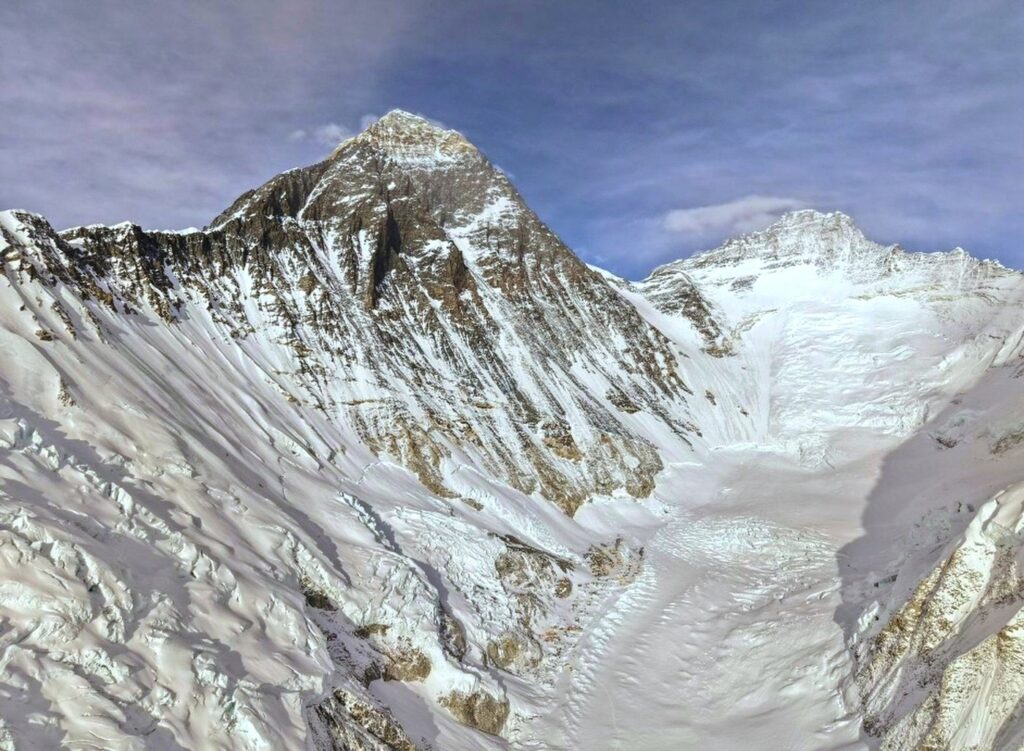
KATHMANDU, Nepal (AP) — On Tuesday, two helicopters tragically collided while attempting to land near Mount Everest's base camp, resulting in the death of at least one individual and injuries to two others, according to local officials. The incident occurred as the helicopters were transporting trekkers who had been hiking to the Everest base camp during Nepal's peak trekking season.
The aircraft were operating in challenging conditions, as heavy snowfall had previously covered the trekking routes. However, with weather conditions improving on Sunday, thousands of trekkers were able to continue their ascent toward the base camp nestled at an altitude of 5,300 meters (17,380 feet). In the absence of roads in the Everest region, helicopters play a crucial role in evacuating trekkers and guides who become ill or exhausted due to the extreme conditions.
The collision took place in Pheriche village, situated at an elevation of 4,200 meters (13,780 feet). In this unfortunate accident, a 47-year-old tourist from India lost his life. Bhupendra Thapa, a district administration officer from Solukhumbhu, confirmed the identity of the deceased.
In addition to the fatality, a passenger from New Zealand was reported to have sustained injuries and was being airlifted to the capital city, Kathmandu, for medical treatment. A Nepali pilot also received injuries but was treated locally in Pheriche.
Details regarding the number of passengers aboard the two helicopters at the time of the crash are currently unclear, leaving uncertainty about the full scale of the incident.
The Mount Everest base camp trek typically spans up to two weeks, starting from Lukla, the only airstrip located in the region. As one of the most sought-after trekking routes globally, the Everest trek attracts numerous outdoor enthusiasts during the fall season, which falls right after the monsoon rains and precedes the harsh winter months.
The combination of challenging weather patterns, altitude, and the inherent risks associated with high-altitude trekking underscores the dangers that trekkers and rescue operations face in remote mountainous regions like Everest. Such incidents serve as a stark reminder of the perils associated with adventure tourism, especially in the rugged terrains of Nepal's Himalayas.