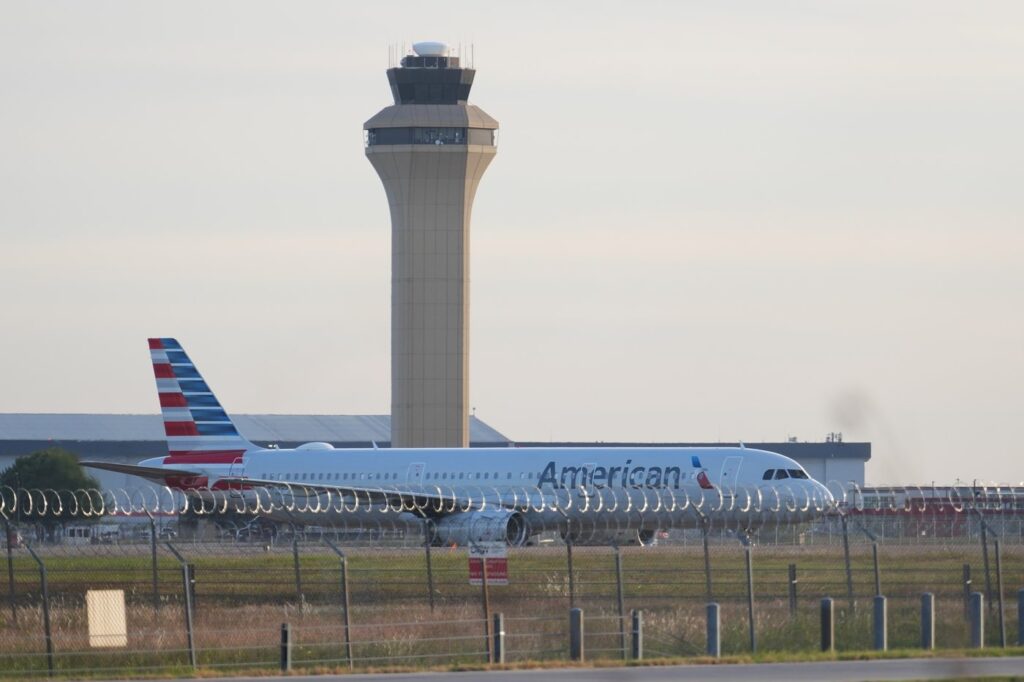
On November 13, 2026, a comprehensive ground stop was implemented across the United States, disrupting thousands of flights for several hours. The U.S. Federal Aviation Administration (FAA) issued the ground stop order due to "extraordinary circumstances" that required immediate attention for safety reasons. An alert released by the FAA shortly before 4 p.m. indicated that the situation necessitated this action.
Transportation Secretary Sean Duffy confirmed the FAA's communication issues were affecting all Air Route Traffic Control Centers in a social media post. The ground stop was widespread, affecting numerous U.S. airports, including complete closures of major hubs in Los Angeles, San Diego, and Las Vegas until later in the evening. Flights that were already in the air were allowed to continue to their destinations, although some were diverted to alternative airports due to the ongoing crisis.
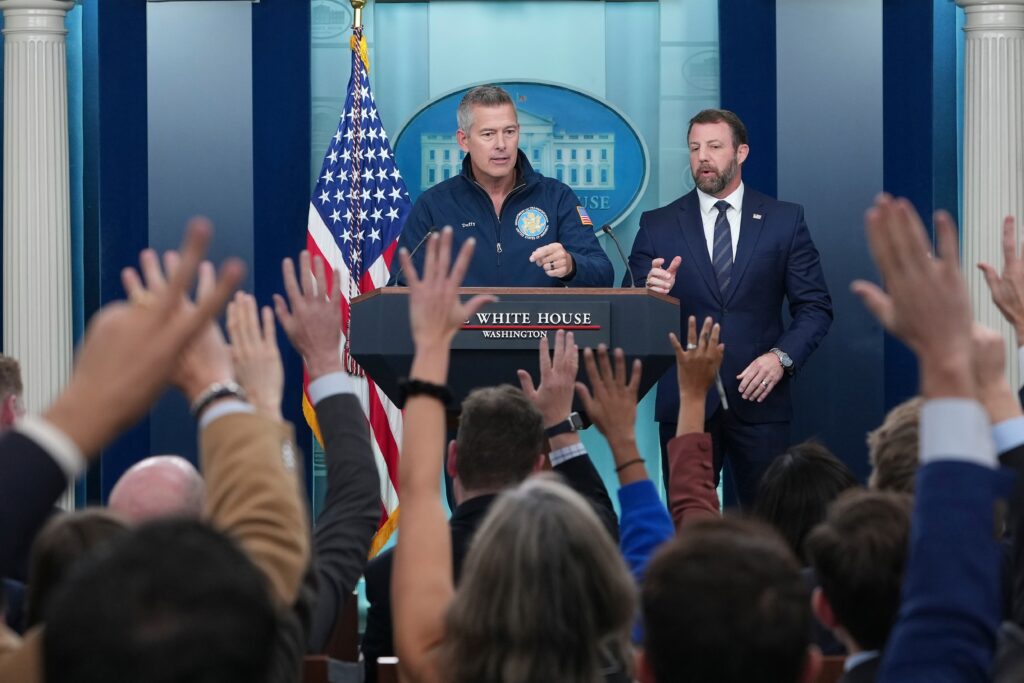
By 8:45 p.m., the FAA lifted the nationwide ground stop order, permitting flights and airports to return to regular operations. Discussions surrounding the incident took place at the White House, where Secretary of Homeland Security Markwayne Mullin clarified that there was no indication of a malicious attack. Instead, he described it as a telecommunications outage, emphasizing that there had never been any threat to lives or flights. Mullin noted that the FAA managed the situation with an abundance of caution.
To quell speculation about the incident, Mullin dismissed conspiracy theories and clarified that there was no connection to a recent worldwide Microsoft outage. He attributed the FAA's communication failures to new technology being integrated into the air traffic control system, which had overwhelmed older systems, leading to intermittent communication and radar gaps.
Travelers in Canada Experienced Delays
The disruption extended its impact beyond U.S. borders, as four major Canadian airports—including Toronto Pearson International Airport and Montreal Trudeau International Airport—suspended flights to and from the United States. NAV Canada, responsible for the country's civil air navigation, implemented traffic management strategies at Toronto Pearson, Montreal-Trudeau, Calgary, and Vancouver airports to address increased traffic volumes safely.
Air Canada officials stated that flights to and from the Caribbean and South America were also affected by the ground stop. Canada’s Transportation Minister Steven MacKinnon noted that Ottawa had offered full assistance to the U.S. FAA during the crisis, including the accommodation of U.S.-bound aircraft and ensuring Canadian readiness to support U.S. authorities.

This incident marked the first nationwide ground stop since January 2023, when a key FAA computer system malfunctioned. Prior to that, the last national ground stop occurred following the September 11, 2001, terrorist attacks. The ongoing efforts to modernize outdated air traffic control technology have been significant, especially since Congress allocated $12.5 billion for improvements last year. This initiative involves replacing old copper wiring with fiber optic lines and upgrading antiquated radio systems across U.S. airports.
Despite progress, officials estimate that an additional $30 billion will be necessary to fully complete the upgrades. Aviation safety expert Steve Arroyo compared the current situation to a regional air traffic control communication outage from September, which had caused flight delays across the Northeast but, in this case, the issue had escalated to a nationwide level.