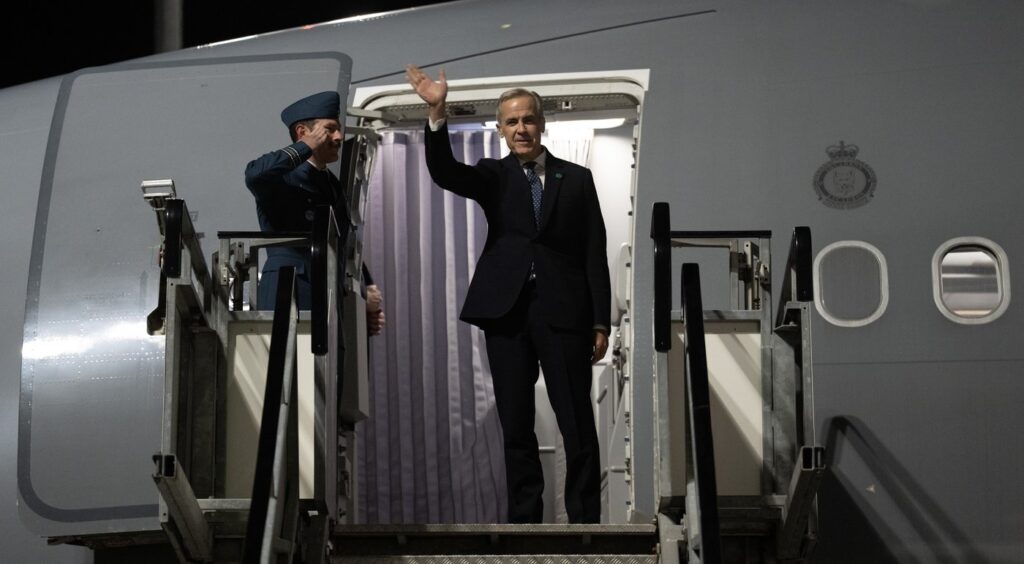
MANILA Prime Minister Mark Carney of Canada and Philippine President Ferdinand Marcos Jr. have successfully concluded negotiations for a Free Trade Agreement (FTA) between the two nations. This deal is slated for formal signing next year, marking a significant milestone in Canada-Philippines relations.
During their meeting in Manila, held on the sidelines of the Association of Southeast Asian Nations (ASEAN) summit, Carney praised Marcos's leadership. He used a metaphor, stating, “A ship that stays in the harbour is safe, but that’s not what a ship is for. And it takes a leader to take the ship out of the harbour into choppy waters and reach a destination.” This statement underscored the collaborative effort taken by both leaders to strengthen ties.
The conclusion of the negotiations was formalized with the signing of a document by the two leaders. This FTA talks have been in progress for just over a year, with Canada aiming to finalize the actual deal in 2024. The event took place Saturday in Manila’s time zone, which coincided with Friday evening in Canada.
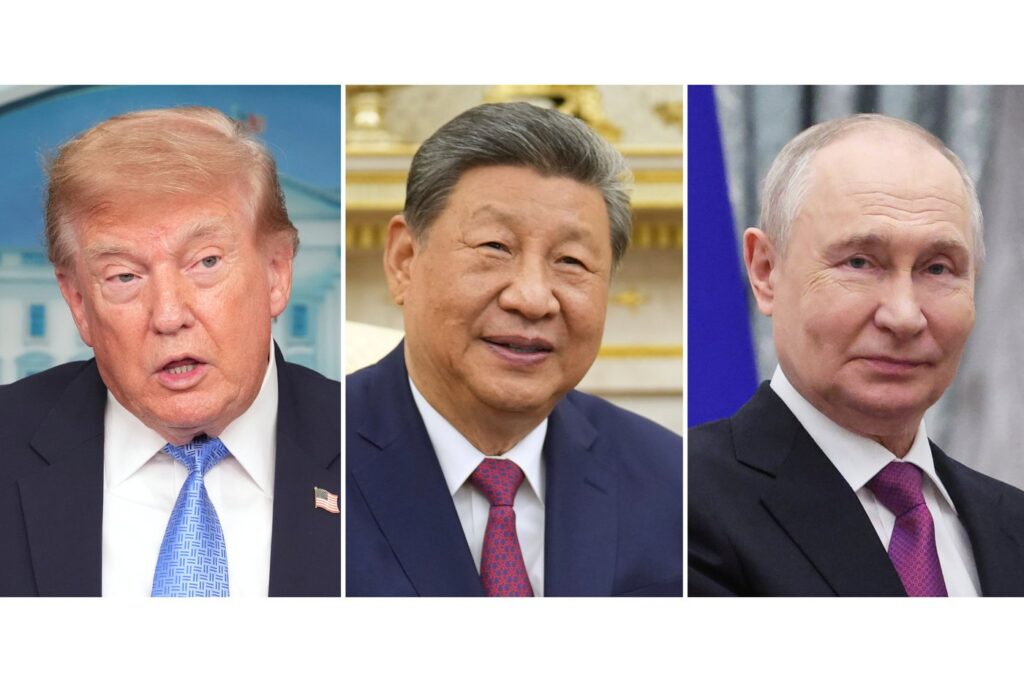
The ASEAN summit, which includes participation from 20 heads of government, also welcomed guests like U.S. President Donald Trump and Brazilian President Luiz Inacio Lula da Silva. This summit highlights Southeast Asia's significance as one of the fastest-growing economic regions globally, with a population nearing 700 million people.
Canada is also pursuing a broader trade agreement with the ASEAN bloc, which encompasses the Philippines and ten other nations, such as Thailand. According to Canadian officials, trade between Canada and ASEAN countries reached $52.3 billion last year, representing a 20% increase compared to the previous year. This effort aligns with Carney’s strategic goal of doubling exports to markets outside the U.S. by 2035.
Vina Nadjibulla, co-founder of the Centre for Strategic Statecraft, emphasized the importance of Asia in Carney's diplomatic agenda. Nadjibulla remarked, “So much of his diplomacy over the last few months has been focused on Europe, understandably so. But we also need to remind everyone that Canada is a Pacific nation... and the region is critical to Canada’s prosperity.”
In the previous year, Carney signed a trade deal with Indonesia and a strategic partnership agreement with the Philippines. This agreement focused on enhancing labor mobility and climate resilience initiatives, vital for a nation with over 110 million people.
Trade between Canada and the Philippines hit $3.4 billion in 2025, with Canada exporting mineral ores, cereals, meat, fertilizers, and aircraft while importing cooking oils, rubber, and leather products from the Philippines. Following discussions that began in 2015, Carney and Marcos relaunched negotiations last year.
While corporations largely supported the trade deal, civil society expressed concerns regarding the Philippines' track record on environmental, labor, and human rights issues. This initiative is part of a broader Indo-Pacific strategy that the Canadian government introduced four years ago.
Foreign Affairs Minister Anita Anand highlighted the need for an updated strategy that aligns with Carney's priorities, including making Canada an energy superpower and doubling non-U.S. exports by 2035. Professor Stéphanie Martel from Queen’s University noted that Carney's approach has been more focused on strategic sectors than that of his predecessor, Justin Trudeau. Carney has emphasized trade and military collaboration, including naval exercises and initiatives to help the Philippines address territorial disputes in the South China Sea.
Despite the focus on trade and military aspects, Martel warned that this narrow viewpoint might overlook essential security dimensions that Southeast Asian nations consider comprehensive, linking security to climate change, regime stability, and economic growth. Nadjibulla added that Canada must engage in various partnerships in Asia, encompassing defense cooperation, digital trade, mobility, and education, beyond merely exporting goods.
Federal officials indicated that Canada is not just providing raw supplies but also technology enhancing product quality. The upcoming discussions might address the Philippines' potential ban on pork imports, with Canada exporting about $279 million in pork products to the country in 2024.
This weekend's ASEAN summit occurs amid severe air quality issues in the region due to wildfires in Indonesia, as well as intensifying geopolitical rivalries between the U.S. and China. Nadjibulla highlighted Canada’s aim to be viewed as an alternative partner for ASEAN countries amidst this competition. Lastly, Carney is also advocating for increased trade between Pacific Rim countries and the European Union, positioning Canada as a bridge in maintaining a rules-based trading system in the face of challenges posed by both superpowers.