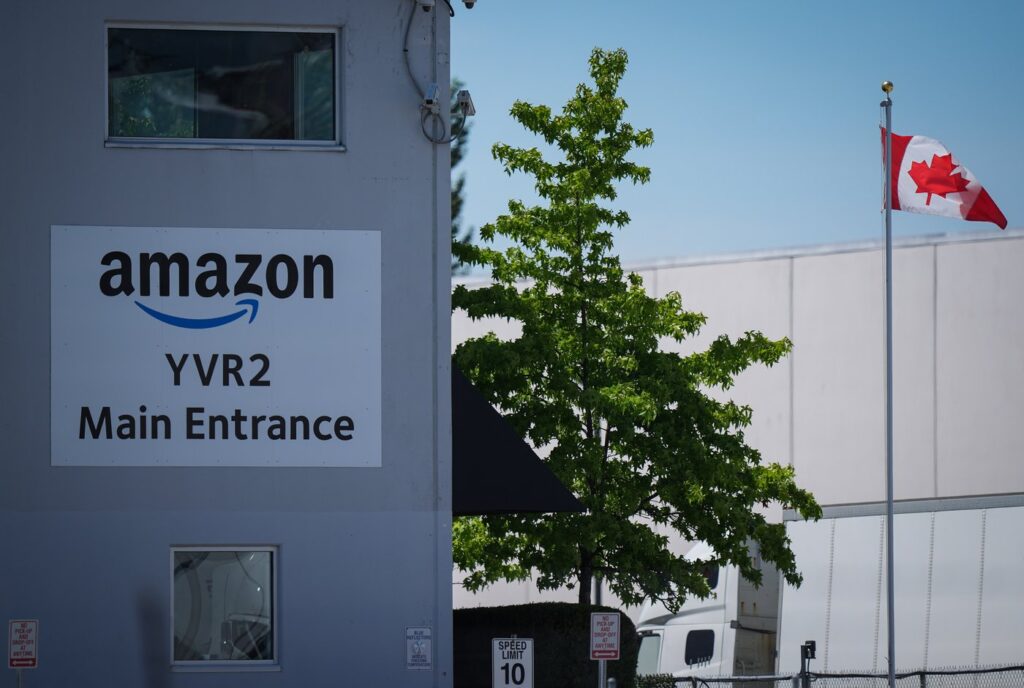
In Delta, British Columbia, a union representing approximately 800 Amazon workers has achieved a significant milestone by securing the first binding collective agreement for Amazon workers in North America. This move comes subsequent to an independent arbitrator imposing the terms of the three-year contract on November 13, 2026.
The union involved, Unifor, and Amazon both confirmed the decision made by the arbitrator. The agreement is being celebrated by Unifor as a victory for unionized workers who they assert have stood up to one of the most powerful corporations in the world. However, Amazon has expressed dissatisfaction with the process, stating that the agreement was imposed without giving employees the opportunity to vote on its acceptance.
Amazon's Vice President, J. Ofori Agboka, has publicly criticized the situation, labeling it as "improper, unfair and defies common sense." He indicated that if necessary, Amazon would pursue legal action to contest the arbitrator's ruling. This disagreement comes against a backdrop of a prolonged labor dispute between the tech giant and its workers.
According to Unifor, the newly established agreement includes several noteworthy provisions, such as wage increases that are expected to raise hourly pay to $29 by the end of the contract's term, enhanced severance protections for workers, and an additional week of vacation for employees who have been with the company for ten years or more.
The decision to employ binding arbitration was backed by a ruling from British Columbia's Labour Relations Board in August, despite the fact that Amazon had opposed the idea vehemently. Unifor National President Lana Payne expressed her gratitude and congratulations to the workers involved, stating that the groundbreaking contract demonstrated their ability to overturn Amazon's claims that a union contract would never materialize.
Payne's remarks highlighted the courage of the workers who took a stand, something she claims Amazon attempted to undermine with their influence and financial resources, all while generating significant profits. She stated, "Amazon told everyone a union contract would never happen, but workers proved them wrong."
Conversely, Agboka has raised concerns about the consequences of union dues on the take-home pay of employees, suggesting that union membership could lead to them earning less than they did prior to the contract being signed. He reiterated Amazon's belief that the optimal workplace is one where employees can provide direct input and collaborate to enact changes swiftly, without the need to pay union dues or rely on third-party negotiations to be heard.
This development marks a notable chapter in the ongoing conversation about labor rights and conditions within one of the world's largest companies. As the landscape of labor relations continues to evolve, the outcome of this agreement and the reactions it garners may influence future negotiations and labor dynamics in North America.