Zelensky Rejects US Proposal of Conceding Donbas for NATO Membership
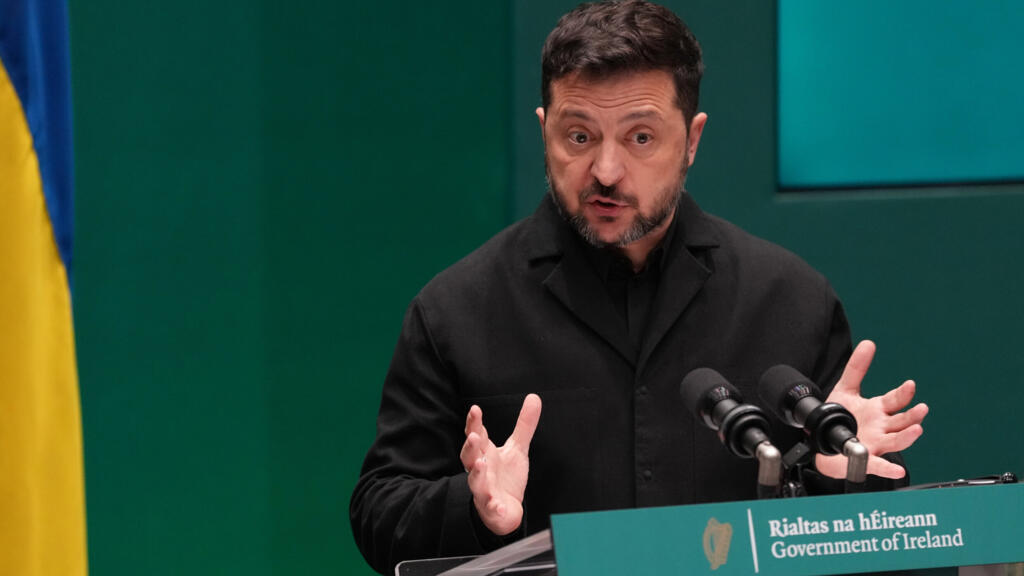
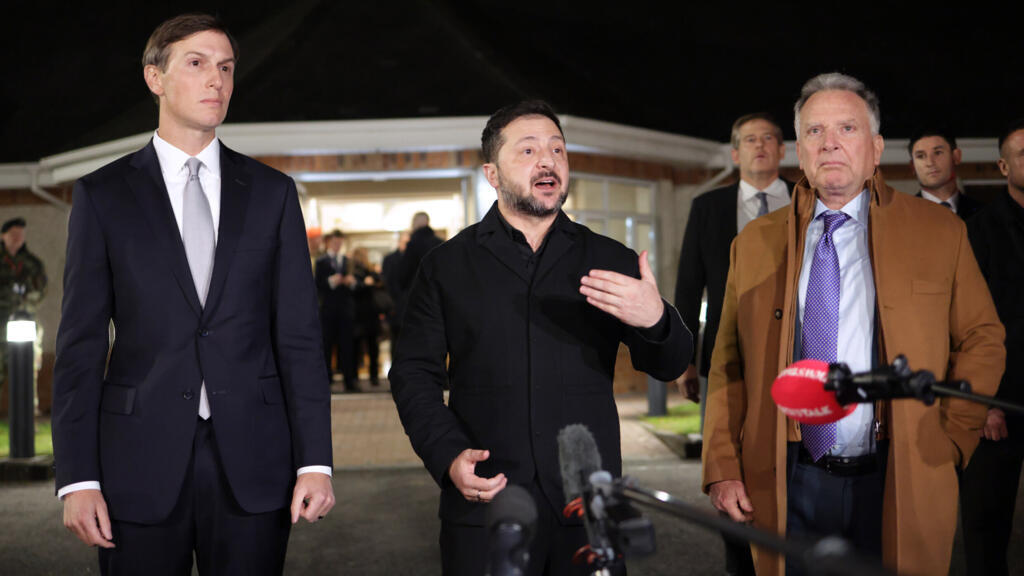
Ukrainian President Volodymyr Zelensky has publicly addressed a contentious proposal from the United States, which suggested ceding Ukraine's eastern region of Donbas to Russia. This revelation came following the latest round of peace negotiations held in Abu Dhabi. During his statements, Zelensky emphasized that Ukraine remains steadfast in its commitment to not relinquish any part of its sovereign territory, despite the geopolitical pressures at play.
Zelensky's remarks highlight Ukraine's determination to maintain its territorial integrity amid ongoing hostilities with Russia. The proposed trade-off, involving the potential for Ukraine to gain NATO membership in exchange for territorial concessions, raises significant concerns regarding the implications for European security. Zelensky warned that conceding territory to Russia could set a dangerous precedent, potentially triggering further conflicts across the continent.
During the peace talks in Abu Dhabi, various approaches to resolving the ongoing conflict were discussed, but the proposal presented by the US was met with considerable resistance from the Ukrainian leadership. Zelensky reiterated his position that Ukrainian sovereignty and territorial rights are non-negotiable. He expressed dissatisfaction with any notion that Ukraine should sacrifice its land for the sake of broader geopolitical alliances.
The geopolitical landscape surrounding Ukraine remains volatile, with Russia’s ongoing military aggression underscoring the potential risks associated with altering established borders. Zelensky highlighted that allowing the Kremlin to dictate terms could unravel the existing security architecture in Europe, leading to escalation and the possibility of future conflicts. This reflects a broader concern among Eastern European nations regarding Russian expansionism and its implications for regional stability.
In this context, Zelensky's statements serve to unite Ukrainian public sentiment around national pride and determination. The resilience exhibited by the government and its citizens emphasizes a collective refusal to accept any form of external pressure that would compromise Ukraine's territorial integrity. The prospect of NATO membership is viewed by Ukraine not merely as a strategic alliance but as a fundamental assurance of its sovereignty and long-term security against aggressions.
Furthermore, Zelensky's remarks resonate with NATO’s principles, which advocate for the defense of member states against external threats. The possibility of Ukraine’s accession to NATO remains a sensitive topic, particularly in light of the existing tensions with Russia. The alliance’s commitment to collective defense is contrasted by the complexities of integrating a nation currently engaged in active conflict.
As the situation develops, Zelensky’s firm stance on maintaining Ukraine’s territorial rights amid international negotiations signals a pivotal moment in the ongoing struggle against Russian aggression. The need for a cohesive strategy that respects Ukraine's sovereignty while navigating global power dynamics is crucial for future discussions. The dedication shown by Ukraine's leadership is expected to resonate with its allies, who must consider the ramifications of endorsing territorial concessions as a viable solution to ongoing conflicts.
In conclusion, Zelensky's rejection of the US proposal serves as a compelling assertion of Ukraine's commitment to national sovereignty and territorial integrity. His warnings about the potential consequences of conceding territory underscore the importance of maintaining a united front against any attempts by Russia to alter the security landscape in Europe. As peace talks continue, the stakes remain high, and the international community's response will play a critical role in shaping the future of both Ukraine and the broader region.