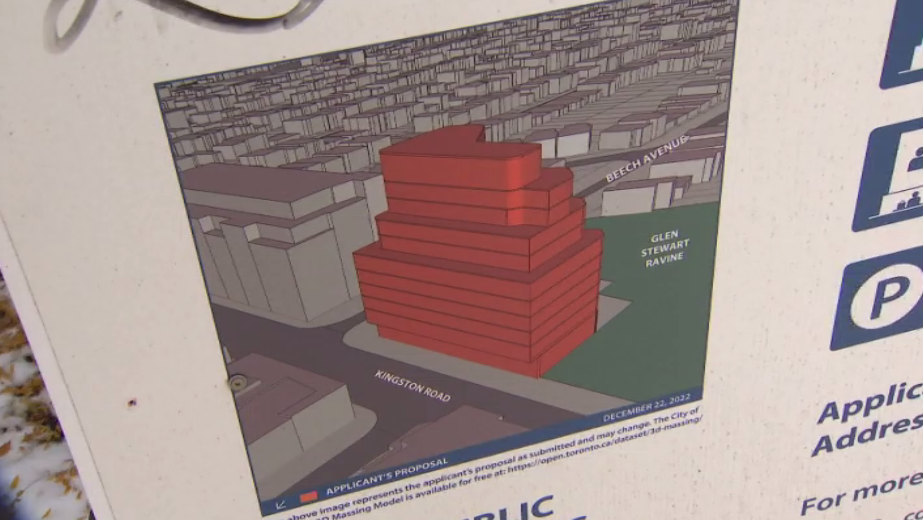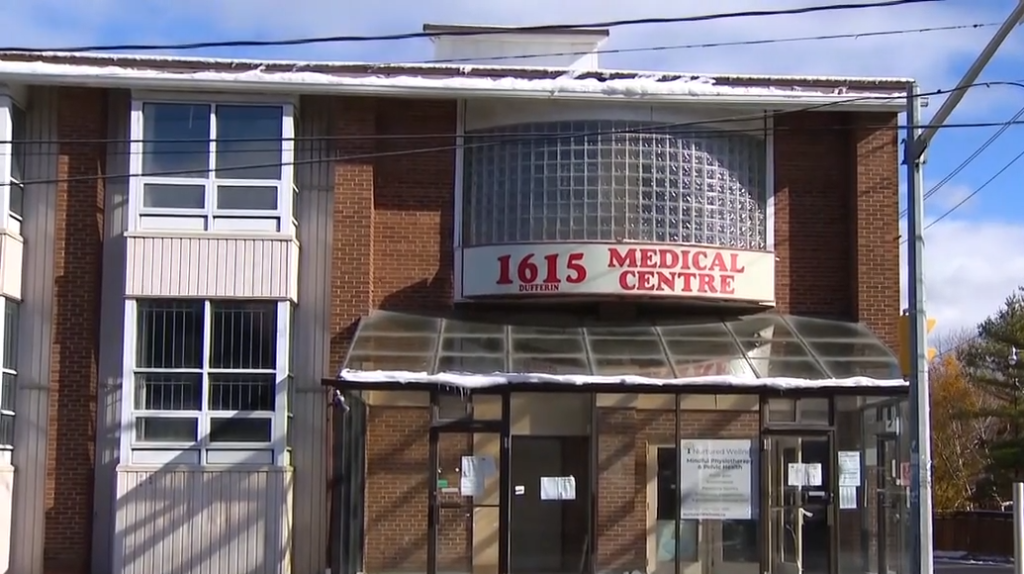
A planned youth shelter at Dufferin and St. Clair has become a point of contention among local residents regarding the city’s strategies to support the unhoused population. The shelter will be situated in an old medical facility located at 1615 Dufferin Street, just south of St. Clair, and aims to provide services for 50 young individuals aged 16 to 24.
As preparations for the shelter's opening progress, an online petition advocating for its relocation has gained traction, amassing over 2,100 signatures, many of which were added within the last week. Local residents express concern about the viability of placing a youth shelter in close proximity to schools, daycares, and a library, all within walking distance from the site. One resident voiced the sentiment, “We have a local methadone clinic that’s got to count for something. I would ask if other areas, that are maybe more politically connected, are sharing a similar weight in dealing with these difficult situations.”
The petition highlights fears regarding the potential rise of crime and open drug use in the vicinity due to the shelter. Another resident articulated a dual perspective, recognizing the plight of homeless individuals while questioning the appropriateness of such a facility’s location near numerous educational institutions. This sentiment reflects a common hesitation faced by communities when considering similar projects.
Designated as one of six new shelters as part of the City of Toronto's 10-year initiative to enhance stability within its shelter system, this project does not necessitate public approval for its establishment. Lorraine Lam, a housing advocate, indicated that community backlash is typical in these scenarios. She stated, “We are in a homeless crisis. People have nowhere to go. People don’t want people sleeping in parks. And yet, if we don’t want people going to shelters either and there’s no housing, what options are left?”
Lam also pointed out that many neighborhoods currently hosting shelters report no issues associated with dangerous behavior from the homeless population. She argues that widespread perceptions of danger are often misinformed stereotypes.
While the shelter’s location was selected without public consultations, the city has organized community meetings since the site’s selection nearly a year ago. The City of Toronto assures that the new shelter will be staffed around the clock and will provide wraparound support services, including physical and mental health care options. Despite some local apprehensions, there is also a portion of the community that supports the shelter’s establishment. One resident shared, “I do believe as a society we need to make space to help those who need help. It’s safe housing... I don’t think there’s a lot to be afraid of.”
Renovations for the shelter are currently underway, with plans for the facility to open sometime in 2027. The ongoing debate reflects broader tensions within urban planning and community welfare, as cities navigate the complexities of providing essential services to vulnerable populations while addressing community concerns.