Montenegro is positioning itself as a leading candidate for European Union membership, with aspirations to join both the EU and the eurozone by 2028. This Western Balkan nation, which boasts a population of approximately 620,000, initiated its EU accession talks in 2012. Montenegro has a relatively recent history; it declared independence in 2006 following the dissolution of the former Union of Serbia and Montenegro.
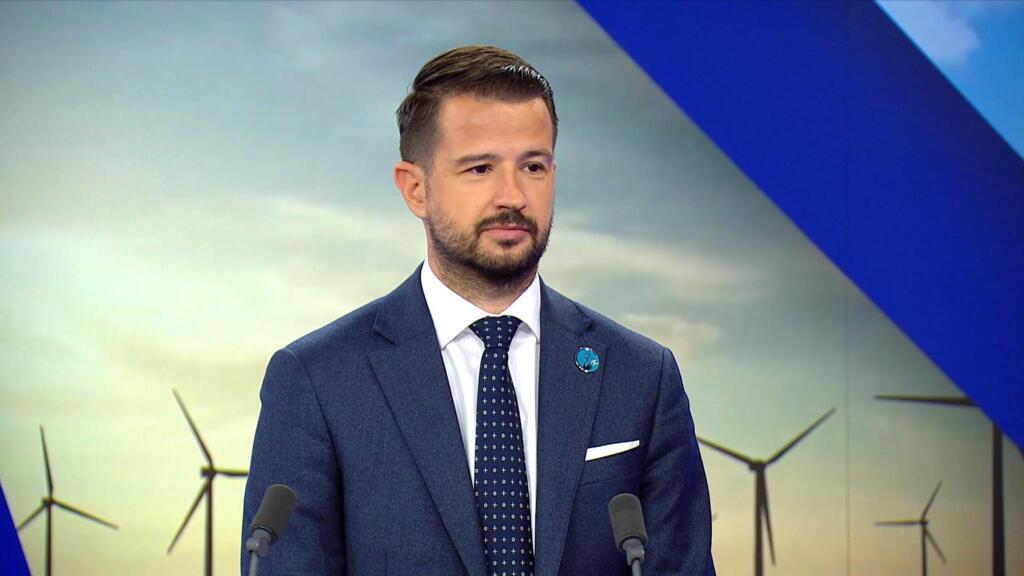
The country is currently under the leadership of President Jakov Milatović, a pro-European reformer who emphasizes the importance of pursuing a Euro-Atlantic path for Montenegro. Elected in 2023, Milatović is a young leader with academic credentials from Oxford, where he studied economics. Before taking on the presidency, he served as the Minister of Economic Development, making significant contributions to Montenegro's economic strategy and alignment with European standards.
Milatović's presidency is marked by a strong commitment to reform, aiming to enhance Montenegro's integration into European structures. His administration seeks to address various reforms necessary for EU accession, including governance, corruption, economic development, and judicial independence. These reforms are vital for fulfilling the conditions set forth by the EU, which Montenegro must navigate to advance its accession process.
Since the commencement of accession talks, Montenegro has made some progress, but several challenges remain. Issues related to political stability, economic performance, and the rule of law have surfaced as significant areas needing improvement. The European Commission has highlighted these areas in its reports, indicating that while progress has been made, Montenegro must intensify its efforts to meet the EU’s criteria for membership.
Montenegro's desire to join the eurozone also indicates a broader strategy of aligning its economy with that of established European nations. As Montenegro has already adopted the euro as its currency despite not being an EU member, this ambition reflects the country's commitment to economic stability and growth under the European framework.
In summary, Jakov Milatović's leadership is characterized by aspirations for EU and eurozone membership by 2028. His Oxford education and prior experience as an economic minister reinforce his capabilities to steer Montenegro towards a Euro-Atlantic integration path. Nonetheless, navigating the political and economic challenges ahead will be crucial for the country's accession efforts. The journey toward EU membership is complex but essential for the future of Montenegro in the European context.
```