On Saturday, U.S. forces intercepted an oil tanker off the coast of Venezuela for the second time within two weeks, amid escalating tensions between the U.S. and Venezuelan President Nicolás Maduro. This operation followed President Donald Trump's recent announcement of a “blockade” targeting sanctioned oil tankers associated with Venezuela.
The pre-dawn action, confirmed by Homeland Security Secretary Kristi Noem, was conducted by the U.S. Coast Guard with assistance from the Defense Department. The intercepted tanker, named Centuries, was last reported to be docked in Venezuela. Noem also shared an unclassified video of a U.S. helicopter landing personnel on the vessel. The Centuries, which operates under the Panamanian flag, was tracked near the Venezuelan coast by MarineTraffic, although it remained unclear whether it was under U.S. sanctions at the time of interception.
Noem stated, “The United States will continue to pursue the illicit movement of sanctioned oil that is used to fund narco-terrorism in the region,” emphasizing that U.S. forces would work to disrupt such activities. The boarding of the Centuries was described as a "consented boarding," with the tanker stopping voluntarily.
The circumstances surrounding the seizure of the Centuries are less transparent than those of the previous tanker, the Skipper, which was identified as part of a clandestine fleet transporting sanctioned cargo. White House Deputy Press Secretary Anna Kelly echoed claims that the Centuries was operating under false registration as part of Maduro's shadow fleet. However, Dr. Salvatore Mercogliano, a maritime expert, noted that shipping databases indicate the Centuries appears properly registered, raising questions about the legality of the seizure, albeit it likely carried sanctioned oil.
Mercogliano characterized the seizure as a significant escalation in U.S. actions against Venezuelan shipping, stating, “This one is meant to scare other tankers away.” In a response to the U.S. actions, the Venezuelan government condemned the interception as “criminal” and vowed to pursue legal avenues, including complaints to the United Nations Security Council, condemning the U.S. forces' behavior as a hijacking and theft of Venezuelan oil.
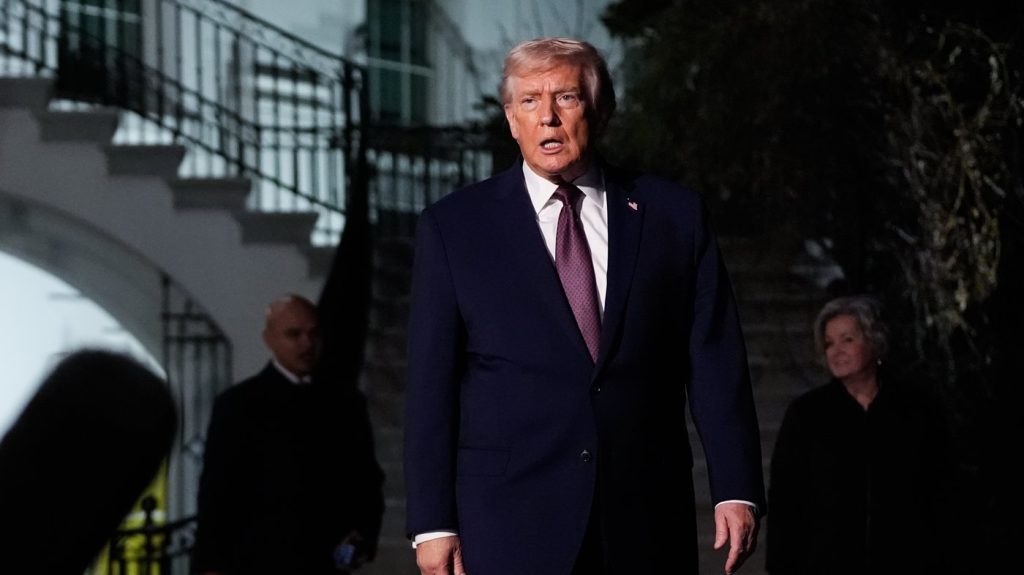
In the wake of the first tanker seizure earlier this month, Trump had declared that the U.S. would impose a blockade on Venezuela's oil sector. This is part of a broader strategy of increasing pressure on Maduro's regime, which allegedly is tied to accusations of drug trafficking. Trump reiterated the U.S. position regarding Venezuela's past expropriations of U.S. oil investments, stating, “They took all of our energy rights. They took all of our oil not that long ago.”
In recent months, the Pentagon has increased its military presence in the Caribbean, with a significant maritime buildup aimed at intercepting vessels suspected of narcotics trafficking, which has included targeted strikes against such vessels. Critics have raised concerns about the legality of these operations, suggesting potential violations of international law through extrajudicial killings.
As U.S. military activities continue under the premise of combating drug smuggling and narco-terrorism, Maduro has consistently asserted that the real objective of these operations is regime change. White House Chief of Staff Susie Wiles remarked that Trump remains committed to intensifying military action until Maduro capitulates, further underscoring the contentious dynamics at play in U.S.-Venezuelan relations.