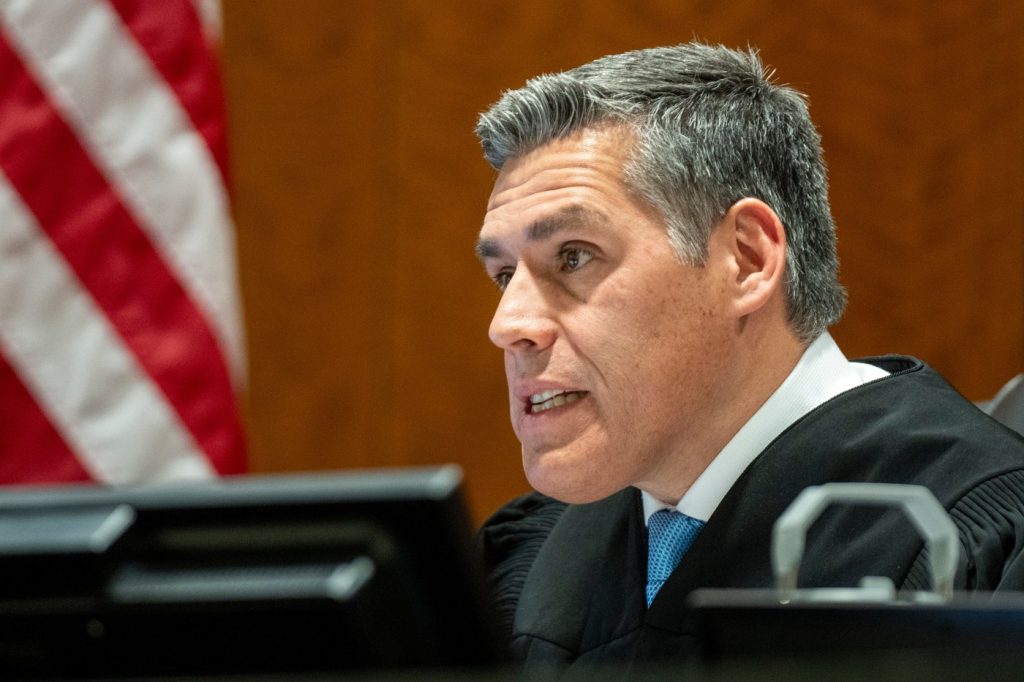
SALT LAKE CITY (AP) - A Utah judge has mandated the release of a transcript from a closed-door hearing that took place in October concerning the shackling of Tyler Robinson, the man charged with the aggravated murder of conservative activist Charlie Kirk. State District Judge Tony Graf emphasized the importance of public transparency in the judicial system before authorizing the release of details from the October 24 hearing.
During this hearing, the defense attorneys for Robinson argued strongly for access to the proceedings, noting that it was the first time they proposed a ban on cameras in the courtroom. This request was made in light of concerns that images and videos showing Robinson in shackles and jail clothing could bias potential jurors against him. They argued that such visual representation could hinder Robinson's right to a fair trial.
Robinson is facing aggravated murder charges for the shooting incident that occurred on September 10, which claimed the life of Charlie Kirk on the campus of Utah Valley University in Orem. Prosecutors have indicated their intention to seek the death penalty in this case. As of now, Robinson has not entered a plea.
The 97-page transcript released on Monday provides insight into the defense's arguments. Defense Attorney Richard Novak stated that enforcing a ban on cameras would be “very easy” and suggested that this could significantly help in mitigating any visual bias against Robinson during the trial process. Novak highlighted, “We’re not litigating this case in the press,” during the closed-door hearing.
Alongside the transcript, Judge Graf also ordered the release of an audio recording of the hearing, with certain details redacted to protect security protocols related to the case. It is important to note that Robinson was not physically present in court during the hearing; instead, he appeared via an audio feed from the Utah County Jail.
While Judge Graf has not made a definitive ruling on the defense's motion to ban cameras, he has implemented other restrictions regarding the media's access and portrayal of Robinson. Following the closed-door proceedings, Graf determined that Robinson could appear in civilian clothing during pretrial hearings but mandated that he wear restraints for safety reasons, citing Utah court rules that require defendants in custody to be restrained or supervised at all times unless otherwise directed. He further prohibited media outlets from broadcasting any images or video that show Robinson's restraints, in an effort to uphold the principle of presumption of innocence ahead of the trial.
Earlier this month, Judge Graf halted a media livestream of a hearing when he learned that the stream had captured images of Robinson's shackles, indicating he would terminate future broadcasts for any such violations. Lawyers representing the media argued that keeping the court process open is vital for maintaining the integrity of the fact-finding process and fostering public confidence in judicial proceedings. They maintained that the public's interest can be served without infringing upon the rights of the accused.
Additionally, on the same day, Judge Graf denied a request from media attorneys to formally intervene in the case. He stated that press members do not need to be official parties in the proceedings to have access to court records. However, Graf mandated that involved publications should be notified of any future motions to close hearings or limit access to court filings.
The preliminary hearing in this high-profile case against Tyler Robinson is scheduled to commence on May 18, where prosecutors are expected to outline their case against him.