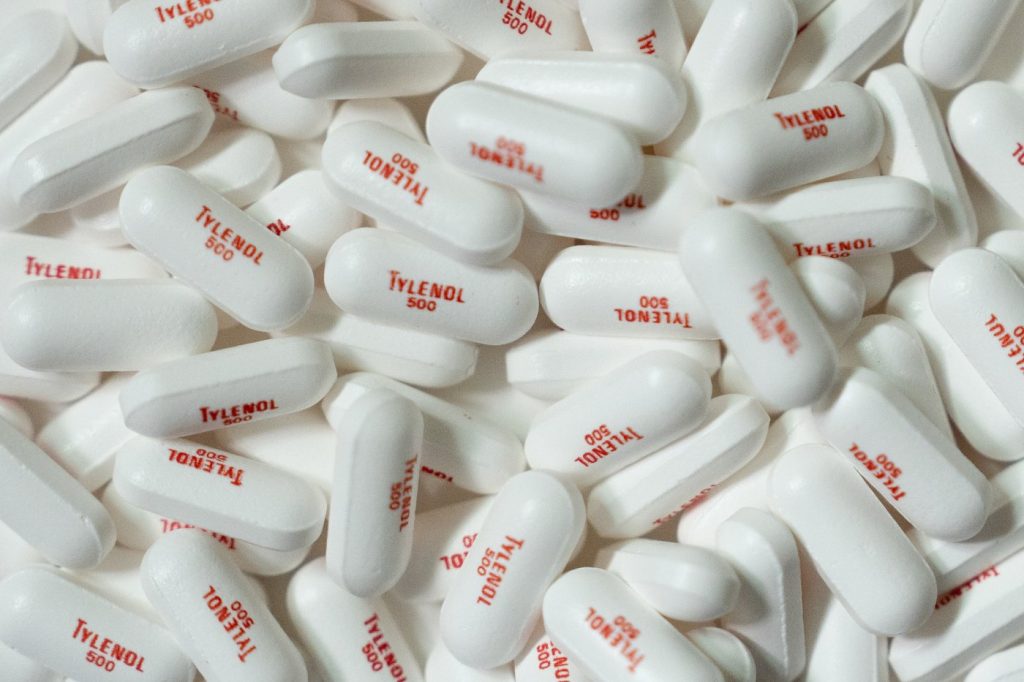
A recent review of studies has concluded that the use of Tylenol, known as acetaminophen and paracetamol in other regions, during pregnancy does not increase the risk of autism, ADHD, or intellectual disabilities. This adds to a growing body of research that contradicts claims made by the Trump administration, which previously suggested a potential link between the painkiller and autism.
Former President Donald Trump had previously warned pregnant women against taking Tylenol, stating, “Don’t take Tylenol.” This assertion, however, has run counter to more rigorous scientific evidence. The latest research review, published in The Lancet Obstetrics, Gynecology & Women’s Health, analyzed 43 studies, emphasizing that those employing rigorous methodologies, such as sibling comparisons, demonstrate no causal relationship between Tylenol use and adverse neurodevelopmental outcomes.
Lead author Dr. Asma Khalil affirmed, “It’s safe to use in pregnancy.” He added that it remains the first line of treatment recommended for managing pain or fever in pregnant women. Although some studies have hinted at a potential link between Tylenol and an increased risk of autism, a significant number of investigations have found no such correlation.
In support of this view, a review published the previous year in BMJ indicated that the evidence does not sufficiently establish a direct link between the drug's use during pregnancy and autism or ADHD in offspring. Similarly, a study in the Journal of the American Medical Association conducted an analysis focusing on siblings, leading to the same conclusion that acetaminophen use is not associated with increased risks of autism, ADHD, or intellectual disabilities.
The White House, however, has highlighted research which appears to support a connection. One paper referenced on its web page, published in BMC Environmental Health, analyzed data from 46 prior studies, indicating a possible association between Tylenol exposure during pregnancy and heightened rates of neurodevelopmental disorders. While the authors recognized the drug’s importance for treating pain and fever during pregnancy, they recommended limiting its use.
Some health experts have expressed concerns regarding the way the Trump administration has interpreted this research, noting that only a subset of the studies focus specifically on autism and that correlation does not imply causation. Dr. Khalil criticized the review for including several small studies and those more susceptible to bias. The senior author of that review, Dr. Andrea Baccarelli from Harvard T.H. Chan School of Public Health, has previously been involved as an expert witness in cases concerning potential links between acetaminophen usage and neurodevelopmental disorders but did not respond to requests for comments regarding his study.
Dr. Khalil pointed out that research indicating small associations between acetaminophen and autism may be influenced by other factors. For instance, pregnant women might take Tylenol to alleviate fever, and it is noted that fever during pregnancy itself may elevate autism risk. Moreover, issues such as “recall bias” can arise, particularly if a mother of an autistic child cannot accurately remember her Tylenol usage during pregnancy.
When researchers prioritize rigorous methods, such as comparing siblings to control for genetic influences, they find that no association exists between Tylenol usage and autism. Genetics are considered the primary risk factor for autism, with other contributing factors including paternal age, preterm birth, and maternal health conditions during pregnancy.
A commentary accompanying the latest review, authored by researchers from London School of Hygiene and Tropical Medicine, Children’s Hospital Colorado, and other institutions, cautioned against discouraging acetaminophen usage during pregnancy since it could lead to inadequate management of pain or fever. This lack of treatment poses well-documented risks to both the mother and fetus, as untreated fever and infections during pregnancy can adversely affect fetal survival and neurodevelopment.