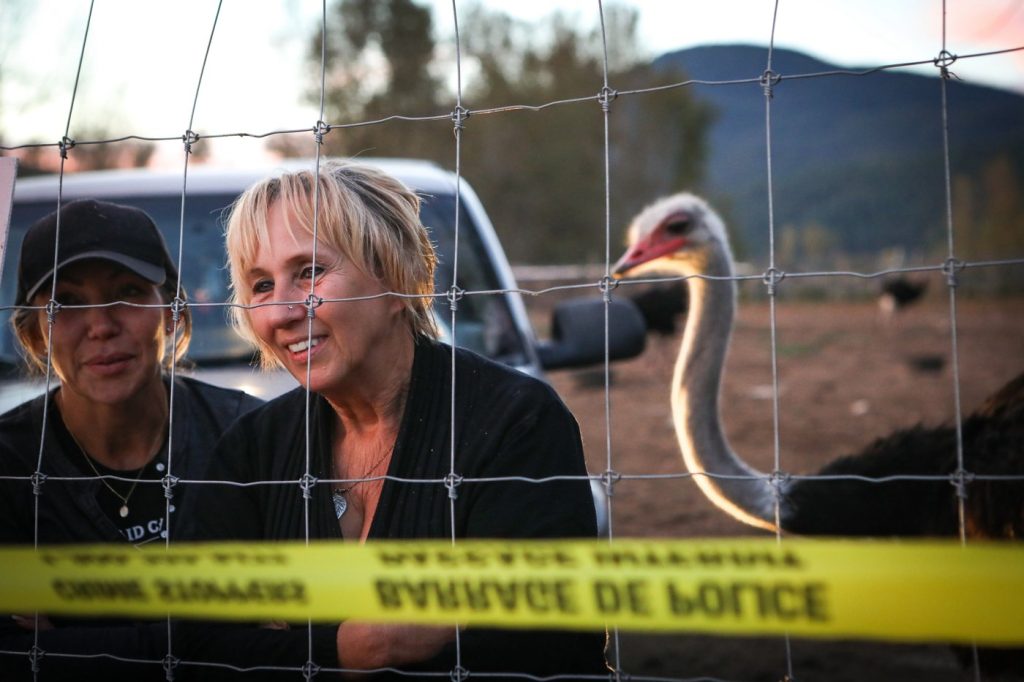
The Canada Agricultural Review Tribunal has affirmed a $10,000 penalty imposed on Universal Ostrich Farms, located in southeastern British Columbia, following a significant avian influenza outbreak that led to the culling of over 300 ostriches last fall. The Canadian Food Inspection Agency (CFIA) charged the farm with violating the Health of Animals Act by neglecting to report ill and dying birds on their property as early as December 2024.
The tribunal's decision, publicly released on December 11, 2025, details that the CFIA received an anonymous tip on December 28, 2024, alerting them to potentially sick ostriches at Universal Ostrich Farms. The report was crucial as it came nearly 11 months after the onset of the avian flu outbreak, emphasizing the serious nature of the failure to report.
In its defense, the farm argued during the tribunal review that it had acted to the best of its abilities, believing that the symptoms presented by the ostriches were indicative of a non-reportable disease. The owners, Karen Espersen and Dave Bilinski, stated they attempted to contact at least two veterinarians but were unable to reach them at the time of the outbreak.
However, tribunal chair Emily Crocco concluded that the farm had been negligent in its obligations under federal law. The tribunal observed that the farmers, claiming expertise in ostrich health and welfare, were aware that their birds were sick yet failed to act promptly. Crocco highlighted that a reasonably prudent individual in a similar situation would have reported the illness immediately.
The CFIA maintains a "Sick Bird Line" designed for reporting sick birds to a veterinary inspector, which the farm did not utilize. Crocco indicated that a simple call to this hotline would have satisfied their legal responsibilities. The decision noted that on the same day CFIA received the anonymous call, veterinarian Dr. Erica Robertson reached out to Bilinski to inform him of the concerns raised.
Dr. Robertson’s notes from their conversation reveal that Bilinski admitted to a concerning decline in the flock’s health over approximately three weeks, with about five percent of their more than 400 birds having died during that period. The symptoms reported included watery eyes, white nodules in the birds' throats, coughing up white chunks, lethargy, and notably higher mortality rates among younger ostriches.
The tribunal confirmed that these symptoms, particularly watery eyes and depression, are indeed characteristic of avian influenza. Following diagnostic swabs taken from two deceased ostriches on December 30, 2024, test results on December 31 confirmed the presence of the virus, prompting a cull order a mere 41 minutes later.
Additionally, the tribunal indicated that there was insufficient evidence that the veterinarians the farmers contacted were recognized as veterinary inspectors under the Health of Animals Act. While Crocco agreed with the CFIA's position that the failure to report was not intentional, she maintained that it demonstrated significant negligence that could have led to serious repercussions for both human and animal health.
The culling action triggered a significant response from the farmers, who initiated legal proceedings and utilized social media platforms to advocate for their birds. Ultimately, marksmen executed the cull on November 6, amid severe weather conditions, following a Supreme Court of Canada ruling that declined to hear an appeal related to the case.