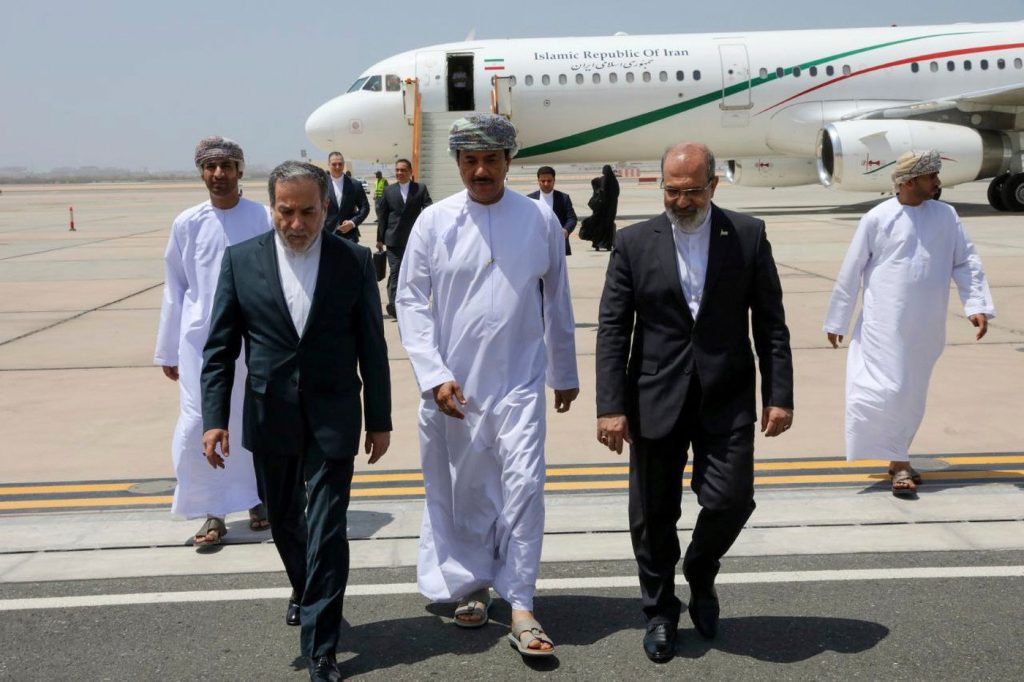
DUBAI, United Arab Emirates — Nuclear negotiations between Iran and the United States are set to occur on Friday in Oman, as confirmed by Iranian Foreign Minister Abbas Araghchi. This announcement comes amid heightened tensions following Iran's violent response to nationwide protests last month, which led to numerous casualties and arrests. The talks were initially believed to be in jeopardy due to disagreements over their format and agenda.
U.S. President Donald Trump issued a stern caution to Iran's Supreme Leader, Ayatollah Ali Khamenei, expressing concern over the political climate in Iran. "I would say he should be very worried," Trump stated in a recent NBC News interview, emphasizing the serious nature of the ongoing situation.
Turkey has been actively attempting to mediate the situation, proposing discussions in Istanbul involving not only the U.S. and Iran but also regional countries to address broader concerns, such as Iran's ballistic missile program. However, Iranian officials publicly expressed a preference for a more focused meeting with only the U.S. addressing the nuclear issue, indicating a potential shift in negotiation strategy.
The last series of talks hosted by Oman, which has historically served as a neutral ground for negotiations, broke down in June amid escalating military conflicts, including Israeli strikes on Iranian targets. A White House official confirmed that discussions would proceed in Oman, despite skepticism about their potential success. Regional leaders urged the Trump administration to maintain diplomatic efforts, stressing the importance of dialogue even as Iranian officials sought to limit the scope of the discussions.
Former U.S. diplomat Alan Eyre articulated his doubts regarding the effectiveness of indirect negotiations, suggesting that such strategies could be ill-fated. Meanwhile, discussions between the two nations have been complicated by recent incidents, including a U.S. Navy fighter jet shooting down an Iranian drone and confrontations involving Iranian vessels in the Strait of Hormuz.
In the context of increasing tensions, Trump indicated the possibility of military action if Iran's actions warranted such a response, particularly in light of the ongoing protests and reports of mass arrests. The Human Rights Activists News Agency disclosed that over 50,000 individuals had been detained during these demonstrations, which have drawn widespread international condemnation.
Iran's President Masoud Pezeshkian recently signaled a willingness for negotiation, instructing his foreign minister to seek "fair and equitable" discussions with the U.S. This indicates a potential endorsement from Supreme Leader Khamenei, who has historically rejected talks with the West. While the U.S. aims to address not only nuclear ambitions but also Iran's missile program and regional activities, senior officials acknowledged the challenges posed by Khamenei's control over Iran's political landscape.
As diplomatic efforts continue, Turkish President Recep Tayyip Erdogan reiterated opposition to foreign interference in Iran and advocated for resolution through dialogue, emphasizing that all issues, particularly those related to Iran's nuclear program, should be resolved diplomatically.
As the situation develops, all parties remain watchful, aware that the stakes are high, not only for U.S.-Iran relations but also for regional stability and broader international security concerns.