SACRAMENTO, Calif. (AP) — In a significant shift, California Democratic Governor Gavin Newsom signed a bill on Thursday to rename César Chavez Day as Farmworkers Day. This decision aims to address the recent explosive sexual abuse allegations against the late Latino labor leader, who has been recognized for his contributions to the farmworker movement in the 1960s. The state holiday, originally commemorating Chavez's birthday on March 31, is now set to honor all farmworkers.
The California state Senate passed the legislation with bipartisan support earlier in the day. The renaming follows serious allegations that Chavez had sexually abused girls and women when he was actively building a major labor rights movement in California's agricultural sector. Notably, Dolores Huerta, co-leader of the United Farm Workers alongside Chavez, has voiced accusations against him.
The initiative to rename the holiday reflects a broader movement across the state to reevaluate tributes to Chavez, who played a pivotal role in advancing wages and working conditions for farmworkers. Once regarded as an iconic figure, Chavez's legacy has come under scrutiny following the surfacing of these allegations. This rapid reassessment of his contributions is unprecedented, especially given the elevation of his status since his death in 1993.
Republican Senator Suzette Valladares expressed that her family benefited from the agricultural movement, emphasizing that the focus should not be solely on one individual. "This is not about one person. This is not about one narrative," she stated. "It's about honoring generations of sacrifice, resilience, and hope."
Senate President Pro Tempore Monique Limon underscored the importance of recognizing farmworkers, particularly after a series of federal raids last year that resulted in severe consequences for workers. She mentioned the tragic death of a worker in her district who had been pursued by Immigration and Customs Enforcement (ICE), stating, "His death is a reminder of how much farmworkers risk every day to put food on our table."
Chavez’s birthday was initially designated as a holiday in California nearly 30 years ago, and in 2000, it was established as an official paid holiday for state employees while enhancing educational requirements concerning his legacy. However, the newly passed legislation does not alter the curriculum requirements, although state leaders are in ongoing discussions with educational officials to modify lesson plans accordingly.
The bill garnered bipartisan support in the California Assembly before the Senate vote. Assemblymember Cecilia Aguiar-Curry remarked on the need to acknowledge wrongdoing, stating, "We cannot ignore wrongdoing, and we should not continue to celebrate a single person when the movement itself is so much bigger."
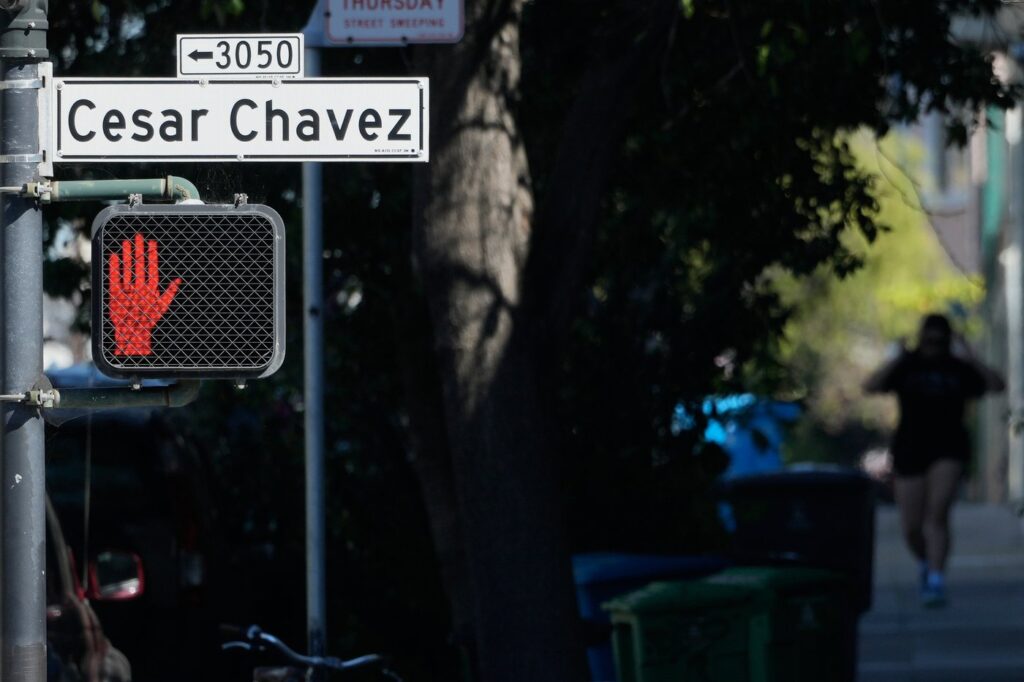
Since the allegations came to light, several significant changes have taken place, including the covering up of Chavez's statue at California State University, Fresno, and cities like San Francisco, Los Angeles, and Sacramento moving to remove his name from public landmarks. There are calls for Dolores Huerta’s name to replace Chavez's, as some states have already decided not to observe the holiday.
As March 31 approaches, celebrations across the nation are being reformed or canceled in honor of Chavez. For instance, the annual César Chavez and Dolores Huerta March and Rally in Tucson was modified and renamed the Comunidad y Labor Unity Fair, shifting the focus towards broader labor rights, while in Grand Junction, Colorado, an event initially named after Chavez will proceed as the Sí, Se Puede Celebration. El Paso, Texas, plans to commemorate the day as Community and Labor Heritage Day, further distancing the celebrations from Chavez’s legacy.