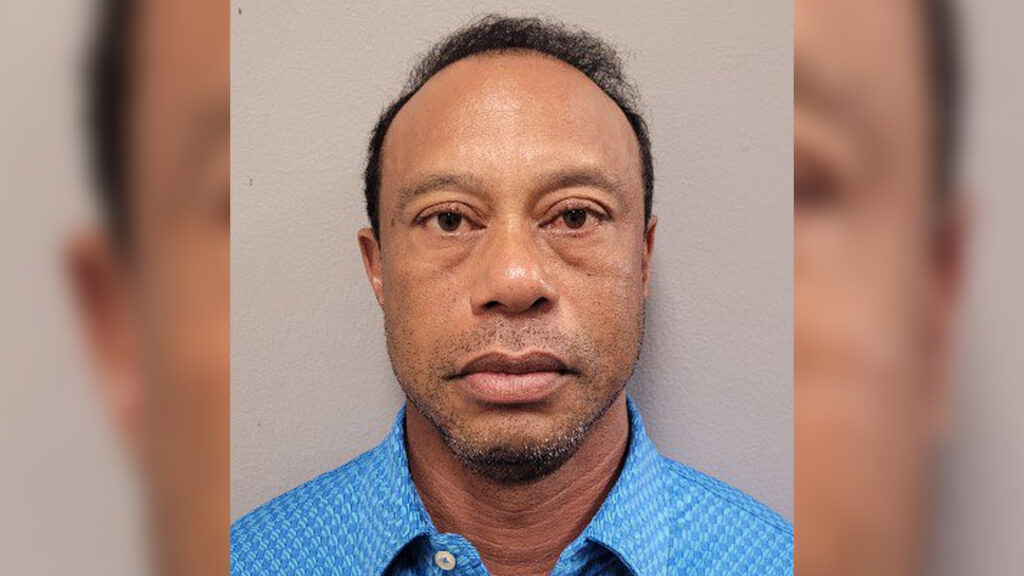
The infamous Gilgo Beach serial killings have taken a new turn as Rex Heuermann, the man accused of murdering seven women over a span of 17 years, is expected to plead guilty next month. According to sources close to the case, Heuermann plans to change his plea from not guilty at a court hearing scheduled for April 8. These sources, who spoke on condition of anonymity, mentioned that both the victims' families and Heuermann's family have already been informed of his decision.
Heuermann, a 62-year-old former architect, has been in custody since his arrest in July 2023. He had initially maintained his not guilty plea and was slated to go on trial in September. However, this decision to potentially plead guilty comes amid mounting evidence against him, which includes DNA evidence, cellphone data, and materials recovered during searches of his home in Massapequa, New York.
The gruesome context of the case reveals that the remains of several victims were uncovered along a secluded stretch of Ocean Parkway, close to Gilgo Beach. The victims, all young women involved in sex work, comprise Melissa Barthelemy, Maureen Brainard-Barnes, Amber Lynn Costello, Sandra Costilla, Valerie Mack, Jessica Taylor, and Megan Waterman. Prosecutors have outlined that a combination of DNA matches and cellphone data establishes Heuermann’s connection to these victims, with evidence indicating he was in contact with them shortly before their disappearances.
The investigation into the killings initially surfaced in 2010 when police were searching for a missing woman and instead discovered multiple sets of human remains. Over the years, through advancements in DNA analysis, investigators were able to identify the victims and connect them to prior remains found on Long Island. Heuermann was not identified as a suspect until a renewed investigation took place in 2022, which linked him to a pickup truck witnessed near the location associated with one of the victims' disappearances.
An important breakthrough came when detectives surveilling Heuermann recovered a discarded pizza crust, which yielded DNA evidence that matched a hair sample taken from one of the victims. Further investigative work uncovered his internet history, which showed he had searched for violent torture pornography and sought information about the ongoing investigation into the murders. Additionally, files retrieved from Heuermann’s computer contained what authorities described as a "blueprint" for the killings, featuring checklists indicating how to limit noise, clean the bodies, and destroy any evidence.
In the lead-up to the potential court date, motions from Heuermann's lawyers to exclude specific DNA evidence and to divide the case into multiple trials were dismissed by the presiding judge. Continuity in the legal proceedings is anticipated, yet legal experts acknowledge that Heuermann could still change his mind regarding the plea, and any guilty plea would also require the judge's approval.
Both Suffolk County District Attorney Ray Tierney and Gloria Allred, a prominent lawyer representing victims' families, declined to comment on the matter, citing the sensitivity and ongoing nature of the case. As the upcoming court date approaches, many eyes will be on Rex Heuermann and the implications of his potential guilty plea in this high-profile murder case that has haunted Long Island for over a decade.