Thousands of residential school survivors in Canada are facing the imminent destruction of their testimonies, which were collected over six years as part of the Indian Residential Schools Settlement Agreement. This program, initiated in 2007, aimed to provide closure and compensation for Indigenous peoples who experienced abuse in government-sponsored religious schools. The deadline for the destruction of these testimonies, set by a Supreme Court of Canada ruling in 2017, is September 2027, which is causing concern among advocates and survivors alike.
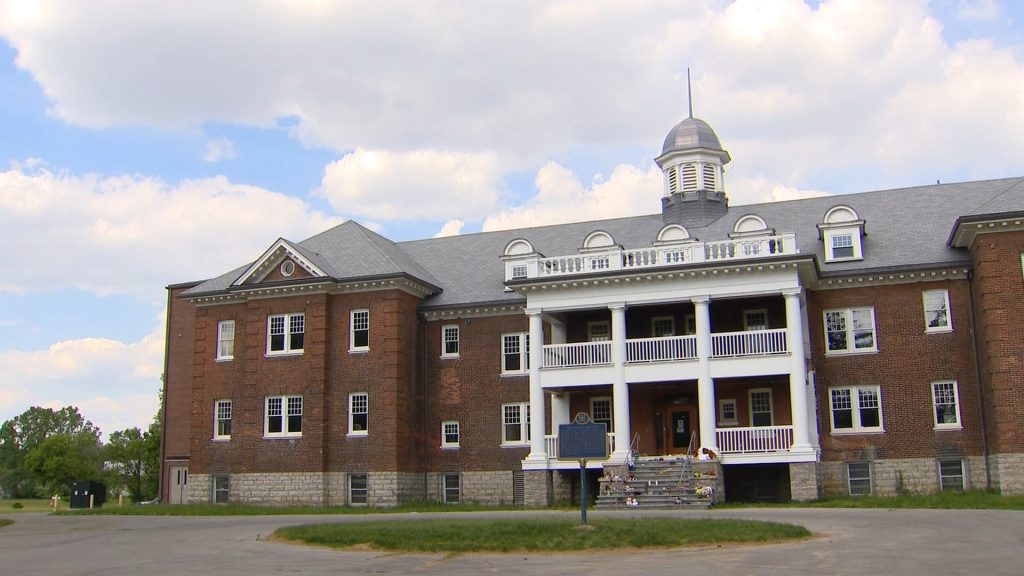
The Survivors Secretariat, a research group from Toronto Metropolitan University (TMU), is actively working to ensure that these crucial accounts of suffering are preserved. Survivors like Darlene LaForme and Tony Bomberry, who attended the Mohawk Institute in Brantford, the first and longest-operating residential school in Canada, are vocal about the importance of retaining these documents. LaForme expressed concern about how the erasure of these testimonies would allow the government to deny the past abuses while simply pointing to financial compensation as a resolution.
The testimonies collected document the painful experiences endured by Indigenous children at residential schools, many of whom are now in their 70s, 80s, and 90s. Despite the existence of these accounts, many survivors remain unaware of their right to request the preservation of their testimonies. Laura Arndt from the Survivors Secretariat highlighted the troubling reality that much of the responsibility for preservation has fallen on the survivors themselves, many of whom are elderly and may struggle to navigate the process.
Raymond Frogner, Head of Archives at the National Centre for Truth and Reconciliation, explained that survivors were allowed to submit their experiences in private settings, where adjuticators decided on compensation based on each case's merits. However, the original ruling mandated the destruction of these records to uphold the promises of confidentiality made to the survivors.
The call to action comes from investigative journalist and TMU professor Connie Walker, who is spearheading a research project aimed at preserving testimonies and raising awareness about the impending deadline. Walker emphasized that this information is vital for all Canadians to understand their country's history concerning Indigenous peoples.
The initiative will involve collaboration between law, journalism, and Indigenous communities to build a new archive that retains survivor accounts as well as legal documents related to residential schools. This new archive will focus particularly on five residential schools in Ontario, and the goal is to work closely with survivors to decide how their information will be used.
Walker elaborated on the project's approach, stating, "We are going to courthouses, compiling those documents, creating this archive, and then working with survivors from that institution from that school to determine how they want that information to be used." The insights gathered from these testimonies are not only essential for historical records but are also pivotal for organizations seeking to locate and identify Indigenous children who never returned home from residential schools.
As the deadline approaches, survivors are encouraged to reach out to organizations such as the Survivors Secretariat for assistance in preserving their records. For further information, individuals can also visit the Centre for Truth and Reconciliation website. This initiative seeks to ensure that the painful stories of residential school survivors are not lost and that the broader Canadian society learns from this dark chapter in its history.