KIGALI, Rwanda (AP) - A Rwandan suspect charged in connection with the 1994 genocide passed away in a hospital while in custody in The Hague, Netherlands, according to a statement from a U.N. court on Saturday. This event occurred three years after the court declared the suspect unfit to continue standing trial.
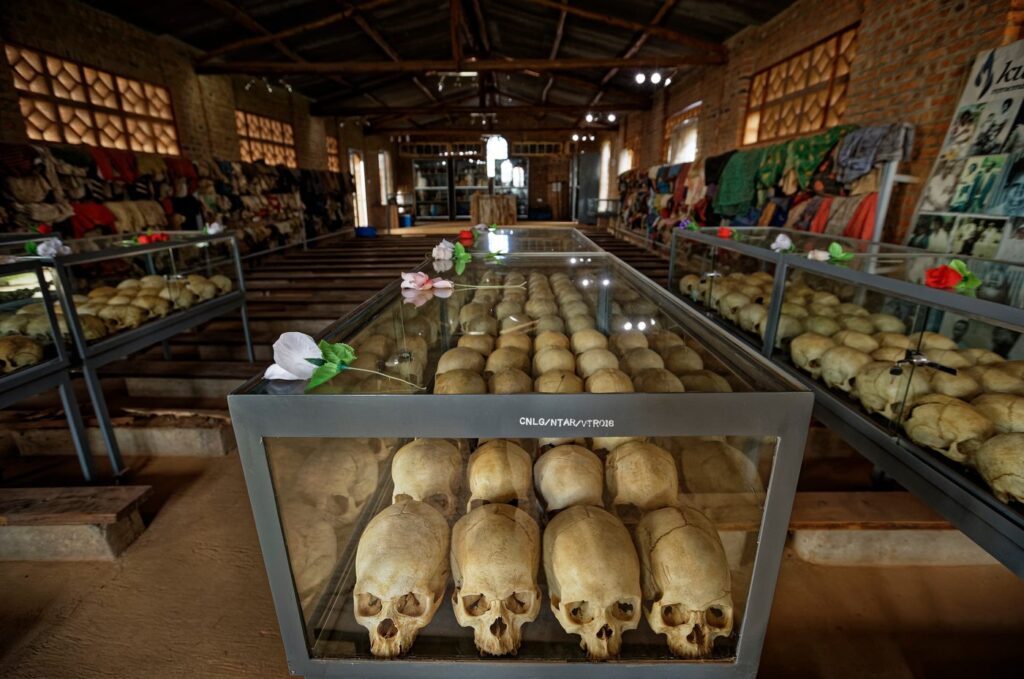
The deceased, Félicien Kabuga, aged 91, was accused of encouraging and financially supporting the mass killings of Rwanda's Tutsi minority during the genocide. His trial commenced in 2022, nearly thirty years after the infamous 100-day massacre that resulted in the deaths of approximately 800,000 people.
In 2023, judges determined that Kabuga was unfit to stand trial due to his diagnosis of dementia. They announced plans to establish a procedure through which evidence could still be heard without the possibility of convicting him. Following this determination, Kabuga remained in detention, awaiting the resolution of his potential release to a sanctuary state willing to accept him.
On Saturday, the U.N. International Residual Mechanism for Criminal Tribunals confirmed that Kabuga had died while receiving hospital treatment in The Hague, with the medical officer of the U.N. Detention Unit being promptly notified. An investigation into the circumstances surrounding his death has been ordered.
In 2013, an arrest warrant was issued for Kabuga, along with a $5 million bounty for his capture. He was apprehended in France in 2020, leading to the initiation of his trial in 2022. Kabuga faced multiple charges, including genocide, incitement to commit genocide, and conspiracy to commit genocide, as well as persecution, extermination, and murder. Throughout the proceedings, he maintained a plea of not guilty. Had he been convicted, he would have faced the possibility of a life sentence.
After being declared unfit to stand trial, Kabuga’s situation drew frustration from many genocide survivors in Rwanda, who believed his crimes warranted severe punishment. His legal representative stated that he would not return to Rwanda, where he feared he would face mistreatment, despite the country offering to accept him back.
The Rwandan genocide was ignited on April 6, 1994, when a plane carrying President Juvénal Habyarimana was shot down, resulting in his death. Habyarimana, like the majority of Rwandans, was of the Hutu ethnic group. Notably, Kabuga's daughter was married to Habyarimana's son, further complicating the context of his charges.
Félicien Kabuga’s death marks a significant moment in the ongoing legal and historical reckoning of the Rwandan genocide, leaving many questions unanswered for victims and their families, as they seek justice and acknowledgment for the atrocities committed during that period.