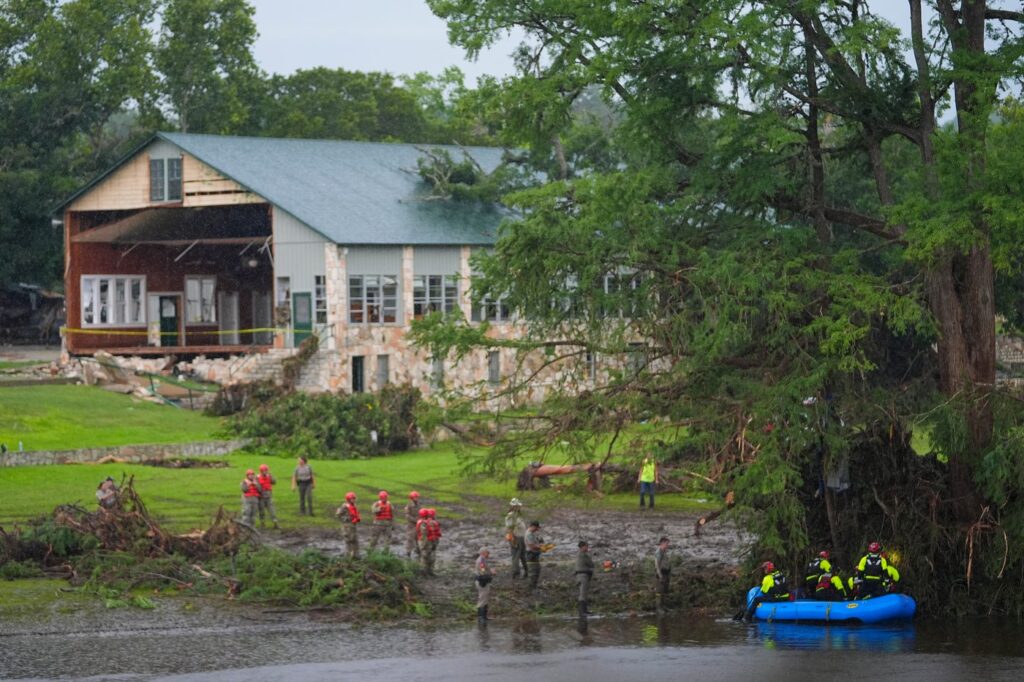
DALLAS (AP) – Camp Mystic, a Christian camp for girls located along the Guadalupe River in Texas, has filed for Chapter 11 bankruptcy reorganization nearly a year after devastating floods resulted in the tragic deaths of 25 campers and two teenage counselors. The camp, which has served generations of families, had intended to reopen for its 100th anniversary this summer. However, plans were reversed in April due to significant backlash from the families of victims and lawmakers.
The aftermath of the July 4 disaster has increased scrutiny on Camp Mystic. Families of the victims filed lawsuits, claiming that the camp failed to adequately protect the girls as the floods approached. Richard Eastland, the camp's owner, also perished in the flooding incident. The bankruptcy filing disclosed that the camp is struggling with over $10 million in debt, and attempts to contact an attorney representing the camp have gone unanswered.
Paul Yetter, a lawyer representing multiple families affected by the tragedy, expressed that bankruptcy would not prevent accountability for those responsible. "These innocent girls deserve justice," he stated. For decades, Camp Mystic was a cherished summer destination, providing a variety of activities such as horseback riding, canoeing, fishing, and Bible studies. While other camps in Kerr County have reopened, Camp Mystic remains embroiled in the fallout from the catastrophic flooding that claimed at least 136 lives along a several-mile stretch of the river.
In response to the flood tragedy, the Eastland family focused on reopening the camp, emphasizing enhanced safety measures such as flood warning systems and two-way radios equipped with national weather alerts in every cabin. By spring, they announced plans ready for nearly 900 campers, convincingly describing new safety protocols. However, families of the victims, alongside some Texas lawmakers, remained unconvinced by these assurances.
State regulators discovered nearly two dozen deficiencies in the camp’s emergency operations plan, particularly concerning the execution of flood warning evacuations and staff training. The decision to cancel reopening followed extensive court testimonies and legislative investigations that highlighted the camp’s inadequate flood preparedness and reliance on inadequately trained staff.
The hearings were emotional, with grieving families present, many wearing "Heaven's 27" pins adorned with photographs of their lost daughters. Testimonies included shocking accounts of ignored flood warnings, descriptions of the flood's impact, and details about a decision made to keep the girls in their cabins until it was too late. The distressing evidence featured a video of the floodwaters, capturing a girl calling for help from afar.
Before the decision to halt reopening, Camp Mystic opened its doors to journalists and lawmakers for a review of its purported safety improvements, pledging that no activities would occur in the low-lying areas affected by the flood. Despite claims from the Eastland family that hundreds of families were eager to return, the concerns of victims' families proved overwhelming.