HAVANA (AP) – Talks between Cuba and the United States have reached an impasse, despite Cuba recently approving a series of free-market reforms, as announced by Cuban Foreign Minister Bruno Rodríguez on Tuesday. The newly implemented reforms, which signify a potential shift in economic approach, were not discussed during previous negotiations between the two countries.
Rodríguez emphasized the importance of these reforms as matters of "total and absolute sovereignty," stating, "We have neither listened to nor are we interested in the U.S. government’s opinion on them." He expressed concern that the new reforms were met with a "new package of unilateral coercive measures" imposed by the U.S. against Cuba.
Earlier this month, the U.S. imposed new sanctions on Cuban President Miguel Díaz Canel, other officials, and several companies critical to Cuba's struggling economy. These sanctions came shortly after Cuba’s Communist Party and the National Assembly of People’s Power approved 176 economic measures, marking the most significant economic shifts since the Cuban Revolution. Some of these measures responded to demands from the U.S., which has been advocating for changes in Cuba's political and economic structures.
The approved reforms include provisions that allow for more private business opportunities, free hiring of personnel, the authorization of private banks, and investment by Cubans living abroad. Rodríguez noted that although earlier talks with U.S. officials were "generally respectful," they were overshadowed by "constant aggressive statements against Cuba," military threats, and the imposition of additional coercive measures.
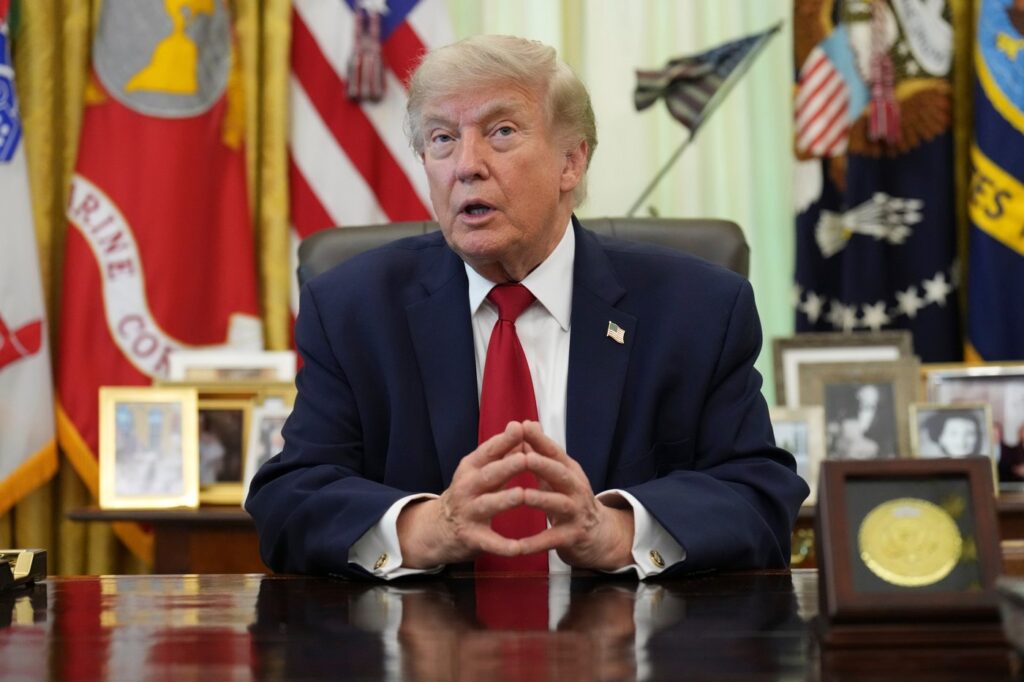
The U.S. State Department has yet to comment on these developments. Rodríguez made his statements during a press conference announcing a debate set for July 7 at the U.N. General Assembly regarding the energy embargo imposed by former U.S. President Donald Trump in late January.
He argued that “the blockade and the policy of aggression and hostility of the United States government against Cuba threaten the existence and well-being of the Cuban people and their exercise of human rights.” He also dismissed claims that Cuba poses a threat to the U.S., labeling it as “a major military and nuclear power.”
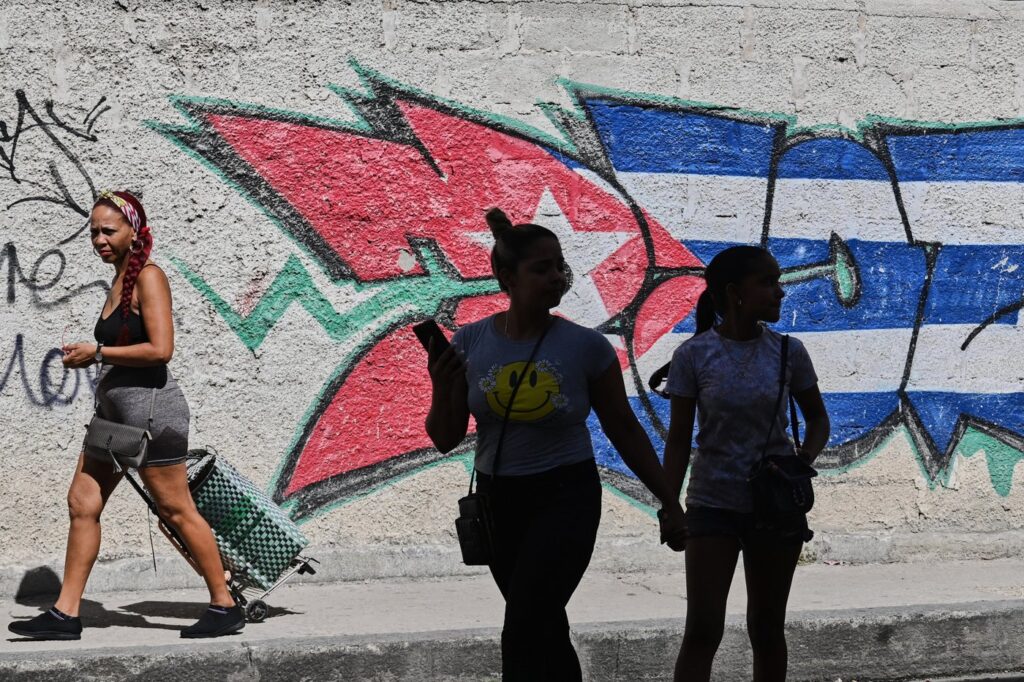
The ongoing oil blockade has severely hindered Cuba’s economy, resulting in prolonged blackouts, fuel rationing, internet outages, and disruptions to public transportation and flights. Essential services such as garbage collection and water delivery have been suspended, and workdays have been cut short.
As the situation evolves, it remains to be seen whether the introduction of the economic reforms will lead to any changes in the strained relationship between Cuba and the United States, especially in light of the continued U.S. sanctions and aggressive rhetoric.