NEW DELHI (AP) – Indian activist Sonam Wangchuk concluded his 26-day hunger strike on Friday, which catalyzed a youth movement now recognized as one of the largest protests in India in recent years. Demonstrators took to the streets with renewed fervor, pledging to persist in their protests until the resignation of Education Minister Dharmendra Pradhan.
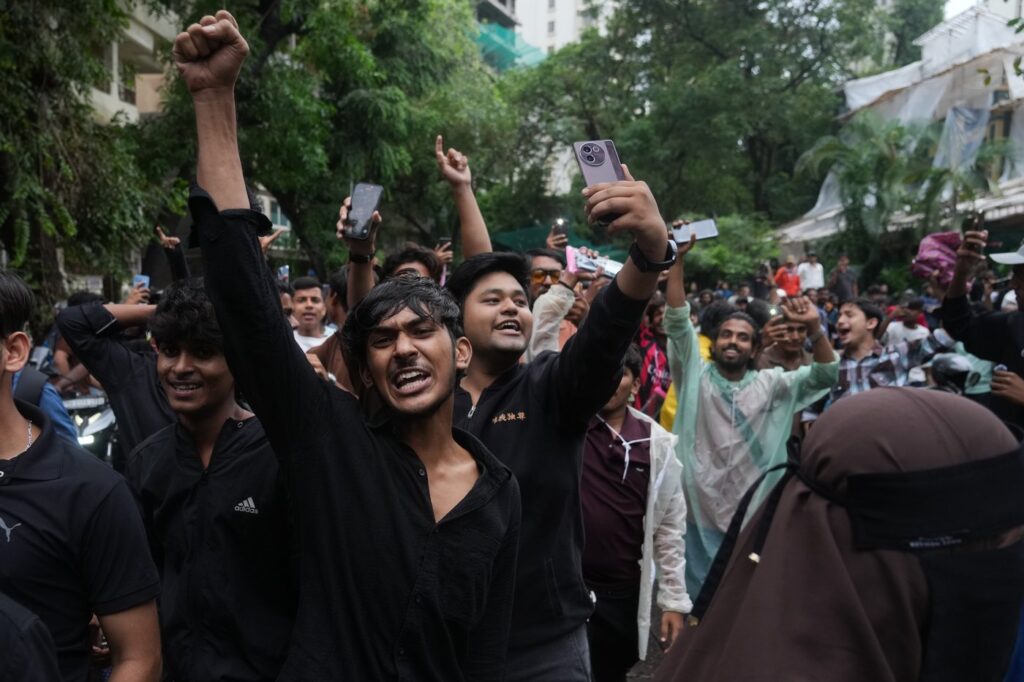
Wangchuk's fast became a central point for the so-called "Cockroach" protests, which ignited over a month ago, demanding educational reforms following allegations of leaks in some of India’s most competitive entrance exams. The demonstrations have since escalated, drawing attention to wider public frustrations regarding unemployment, government accountability, and economic opportunity. A broad coalition, including professionals, families, and activists, has joined protests across New Delhi and other cities.
These demonstrations represent one of the most prolonged and visible expressions of dissent against Prime Minister Narendra Modi's administration in recent times. The movement gained momentum after police used tear gas and batons to disperse protesters attempting to approach Parliament earlier in the week.
Friday's nationwide protests were spearheaded in solidarity with students who faced police brutality during their march to Parliament. Wangchuk announced through a post on X that he ended his hunger strike in the presence of two federal ministers, after negotiating various conditions and considering the potential for violence in the country. He did not disclose specifics about his discussions with the ministers.
Protest organizers have emphasized that their actions will persist until Minister Pradhan resigns, insisting on thorough reforms in examination processes and compensation for families of students who have tragically taken their lives following exam paper leaks. Discussions with the ministers on Friday revealed that the government requested until Saturday afternoon to respond to the demands, with minister J.P. Nadda confirming that further meetings would take place.
“We won’t let Sonam sir’s sacrifice go in vain,” stated Abhijeet Dipke, the founder of the Cockroach Janta Party, the satirical group leading the protests. The group adopted its name following a controversial comment made by the country's chief justice, who likened some unemployed youth to cockroaches.
Prime Minister Modi addressed the protests publicly for the first time on Thursday, proposing the establishment of fast-track courts to deal with cases related to exam paper leaks. In a separate video message, he assured that legislation would be introduced in Parliament aimed at combating such incidents. However, these announcements failed to assuage the anger of the protesters, who asserted that they did not meet their demands for greater accountability from government officials.
Fabeha Sayyed, 23, expressed that while Modi's acknowledgment of the issue signaled engagement, the lack of action regarding the resignation of the education minister raised concerns. “If he were so concerned about the protests, about the students and the families of students who committed suicide, then it is not hard for him to get a person to resign,” she remarked.
The ongoing situation reflects a critical juncture in contemporary Indian youth activism, as the convergence of educational, economic, and governmental accountability issues continues to fuel a widespread demand for change.