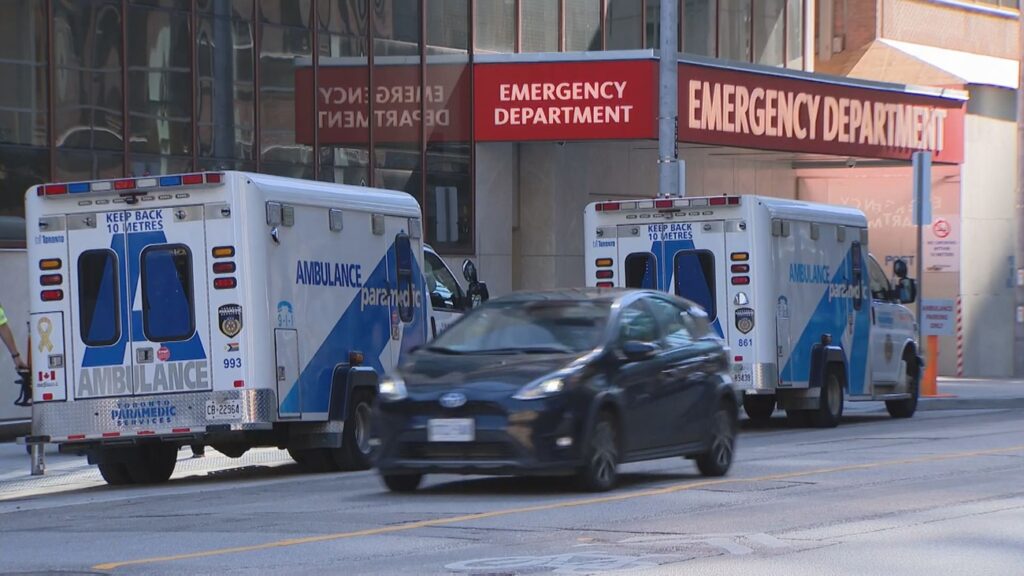
Emergency rooms in Canada are facing significant staffing challenges, as highlighted by a recent study indicating that one in ten emergency department physicians have left their positions. This alarming statistic emerged from a study conducted by the Canadian Medical Association Journal, which began in April 2020 and included follow-up surveys conducted in November 2020, September 2022, and January 2025. The overarching sentiment from the study's participants was a perception that the healthcare system is deeply flawed, with emergency departments compensating for system shortcomings without sufficient resources and support.
The findings underscore a crisis in emergency medicine, wherein around 20% of physicians have taken time away from their emergency medicine duties and nearly 50% have reduced their clinical hours. Dr. Kerstin de Wit, an emergency physician and a professor at Queen's University, emphasized her daily witness to the high levels of burnout among colleagues. She observed that many healthcare professionals are working extra shifts due to staff shortages, which often leads to extended hours and increased stress levels as they strive to attend to patients, some of whom endure lengthy waits in emergency rooms.
Dr. Catherine Varner, a seasoned emergency physician and deputy editor of the journal, expressed concern about the increasing difficulties faced by emergency departments, exacerbated by the COVID-19 pandemic. She noted that the number of replacement physicians entering the field is dwindling, raising fears of more severe consequences, including potential fatalities in waiting rooms. Dr. Varner criticized government assertions about improvements in healthcare metrics, arguing that the reality of emergency department overcrowding contradicts these claims.
Dr. Mayoorendra Ravichandiran, deputy chief of emergency medicine at Scarborough Health Network, described the emergency department as a barometer for systemic issues, indicating problems before they manifest elsewhere in the healthcare system. He stressed the need for hospitals to continue treating incoming patients even when capacity is stretched thin due to 'bed-blocking.' To cope with the stress, Ravichandiran highlighted the importance of peer support among colleagues, especially for younger staff.
In response to the study's findings, Ontario Health Minister Sylvia Jones' office provided a statement that did not directly address the issues raised but emphasized public funding for the healthcare system and claimed high compensation for Ontario doctors. While the government pointed to a reduction in emergency department visits and improved primary care access, Varner disputed this, stating that increased pressures lead to longer wait times and higher incidence of patients leaving without being seen.
During a rally at Birchmount Hospital, Ontario NDP Leader Marit Stiles reacted to the study, stating that the government needs to listen to frontline healthcare workers. She pointed out that access to family physicians in Scarborough is critically limited, which forces more patients to seek emergency care when they are already more ill than before.
Healthcare professionals emphasize the need for significant changes to address the systemic challenges originating from overcrowded emergency departments. They advocate for increased hospital capacity and improvements in infrastructure. The doctors stressed that urgent action is necessary from government officials to alleviate the pressures faced by emergency departments, which they believe are not solely due to high patient volumes but rather complex systemic issues like insufficient hospital space and resources.
Furthermore, Varner suggested that additional protections for emergency physicians, especially during coroner’s inquests, need to be implemented to avoid punishing healthcare workers for systemic issues they did not create. This conversation highlights the critical need for transparency and reform in the healthcare system to ensure both patient safety and the mental well-being of medical professionals.