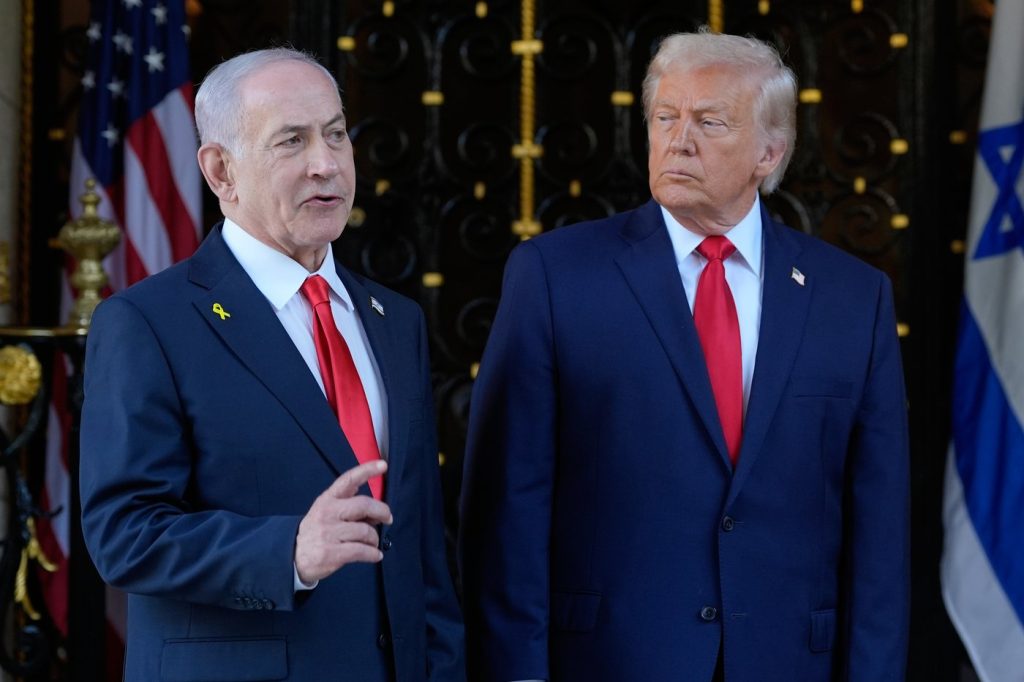
WASHINGTON (AP) – Israeli Prime Minister Benjamin Netanyahu described his meeting with President Donald Trump at the White House as "excellent." This gathering marked their first discussion since the onset of a joint war against Iran, providing an opportunity for Netanyahu to mitigate existing strains in their relationship. The closed-door meeting lasted approximately one and a half hours, with White House press secretary Karoline Leavitt labeling it "positive and productive." Following the talks, Trump remarked on social media that it was a "very good meeting" where "many important subjects were discussed," though he did not elaborate further.
Both leaders are confronting significant pressures domestically. Netanyahu is facing reelection amid challenges partly stemming from his waning relationship with Trump. Simultaneously, Trump is dealing with the fallout from an unpopular war that has resulted in economic turmoil and escalating prices as the midterm elections approach in November. On the same day of the meeting, Iran reignited tensions by launching multiple ballistic missiles at U.S. forces in the Middle East; however, the U.S. military confirmed that all the Iranian missiles were successfully intercepted.
An Israeli official familiar with the meeting indicated that Netanyahu communicated to Trump and his Cabinet that if Iran were to attack Israel, they would respond forcefully, but they would defer to Trump's judgment regarding further actions. Despite prior tensions, Netanyahu expressed enthusiasm post-meeting, highlighting Trump's "entire senior team" being present. Vice President JD Vance, known for his critical stance toward Israel, attended the discussions.
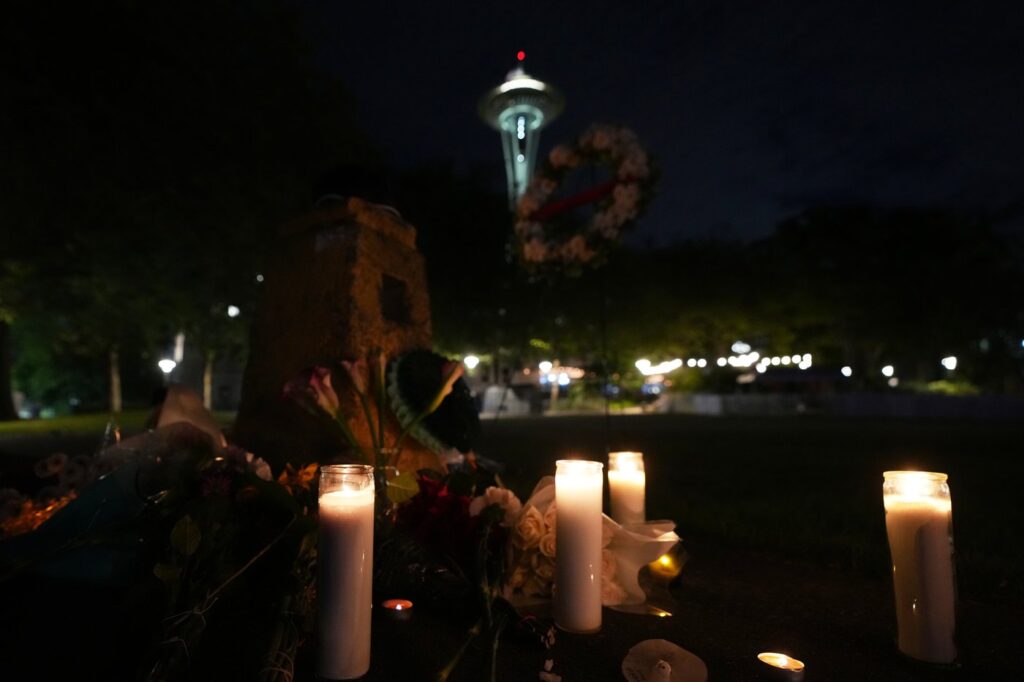
Netanyahu emphasized the constructive nature of the conversation, stating, "When I say excellent, I don’t mean it in a superficial way." He noted the partnership and mutual support in their common goal of preventing Iran from acquiring nuclear weapons. Following the meeting, Netanyahu joined Trump and Vance at a funeral for Senator Lindsey Graham, where he was also seen engaging with Ukrainian President Volodymyr Zelenskyy, who had a prior meeting with Trump.
Before their sit-down, Trump publicly expressed discomfort with Netanyahu, specifically about reports suggesting that the Israeli leader intended to discuss intelligence regarding Iranian activities at Pickaxe Mountain, a potential nuclear site. Trump asserted that the situation with Iran "is not a big problem," and he expressed frustration over Netanyahu's communication to the public regarding intelligence matters.
During the meeting, Netanyahu reiterated Israel's commitment to sharing intelligence with the U.S., acknowledging the unique considerations Washington must account for, which include its relations with other allied nations. Historically, Trump has maintained a fluctuating relationship with Netanyahu; however, their partnership appeared robust after Trump returned to the White House last year. The two leaders had initially presented a united front in their military operations against Iran.
However, as Iran retaliated with drone and missile strikes on U.S. bases, Trump experienced immense pressure from both domestic and international allies to de-escalate the conflict. Netanyahu, desiring continued military action, found himself sidelined as Trump sought to negotiate a resolution with Tehran. Public dissent within the Israeli and American press noted that the U.S. appeared to be assuming control of the war strategy, marginalizing Israel's position.
In discussing the future, Netanyahu acknowledged that many decisions rest with Trump. He commented, "If he can do so without returning to intense military fighting, that’s fine. Why not?" Furthermore, discussions during the meeting also covered the U.S.-Israel framework agreement with Lebanon concerning the Israel-Hezbollah war and the expansion of the Abraham Accords to normalize ties with Arab and Muslim-majority nations.
Netanyahu aimed to reassure Trump that Israel would not obstruct U.S. diplomatic and reconstruction initiatives in Gaza and Lebanon, areas where Trump has previously criticized excessive Israeli military actions. In Lebanon, Israel has allowed the Lebanese army to deploy to certain villages in a pilot program to secure areas previously dominated by Hezbollah. The next round of negotiations between Israel and Lebanon is set to occur in Rome, focusing on expanding this initiative.
In the context of Gaza, Israel's security cabinet approved a plan permitting an international stabilization force’s entry, although limited and on a case-by-case basis. This force, potentially comprising troops from nations like Morocco and Uganda, would operate in small zones aimed at assisting displaced Palestinians. The Israeli military continues its operations, claiming they are targeting militants, while civilian casualties have also occurred.
The political atmosphere surrounding Israel in the U.S. is shifting, with bipartisan support dwindling, especially regarding its actions in Gaza. An AP-NORC poll cited a significant decline in American public support for Israel. Protests near the White House reflected this tension, with demonstrators labeling Netanyahu a "tyrant" and rejecting his presence.