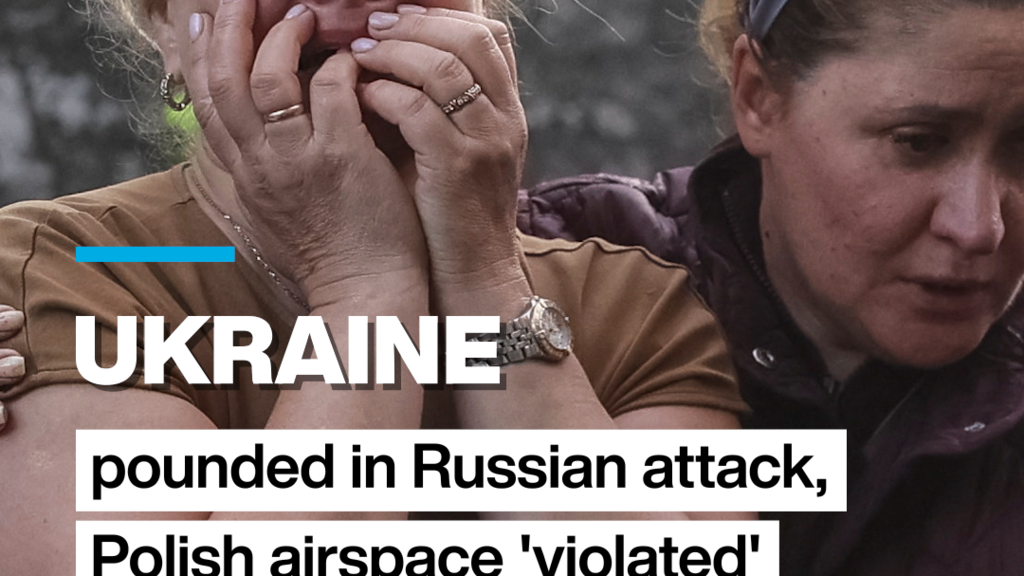
A recent ballistic missile and drone barrage launched by Russia against Ukraine resulted in the tragic deaths of at least 10 civilians, including children. This attack highlights the ongoing and severe impact of the conflict on Ukrainian civilians, as well as the challenges faced by Ukraine's air defense systems. Despite the ongoing conflict, Ukraine's air force reported that it successfully intercepted a staggering 55 missiles and 265 drones that were part of the assault emanating from Moscow.
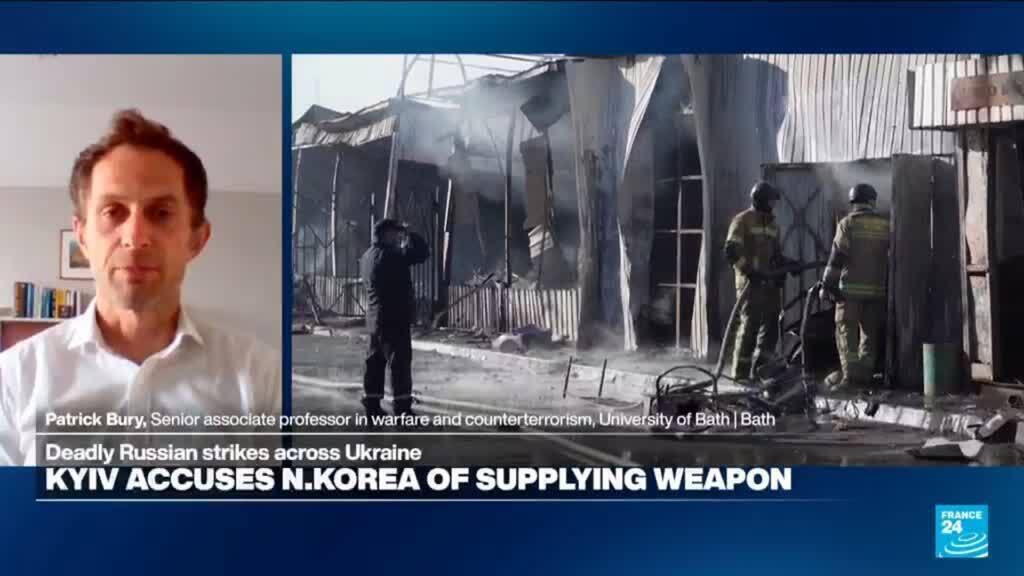
However, the Ukrainian forces are encountering significant difficulties in intercepting the advanced ballistic missiles that Russia is increasingly using in its military strategy. According to Patrick Bury, a former British Army captain and a Senior Associate Professor in Warfare and Counter-terrorism at the University of Bath, the effectiveness of Ukraine's missile interception capabilities has diminished sharply over time. He noted that the average interception rate for Russian missiles has plummeted from around 90% in March to between 70% and 75% at times, with instances of effectiveness even dropping below that threshold.
This decline in interception rates raises crucial concerns about the resilience of Ukraine's air defense systems, particularly as Russian forces continue to upgrade their missile technology. The increasing sophistication of these weapons poses a formidable challenge for military strategists and defense analysts alike. The context of this situation underscores the evolving nature of warfare in the region and the persistent need for Ukraine to enhance its defensive measures against aerial strikes.
The impact of the missile and drone strikes not only results in loss of life but also contributes to the psychological strain on Ukrainian civilians who live under the constant threat of aerial attacks. As the conflict progresses, the international community is closely monitoring the situation, with humanitarian implications becoming ever more pronounced. The escalation of military actions and their resulting casualties reflect the broader geopolitical tensions and the dire humanitarian crisis unfolding in Ukraine.
As the situation evolves, it remains essential for Ukraine to seek both immediate and long-term solutions to bolster its defenses against aerial assaults. The need for support from allied nations becomes increasingly crucial, as does the imperative for strategic planning to counter the advancements made by Russian military technology. With civilian safety at stake, Ukraine's air defense capabilities will likely remain a focal point in both military and diplomatic discussions in the months to come.