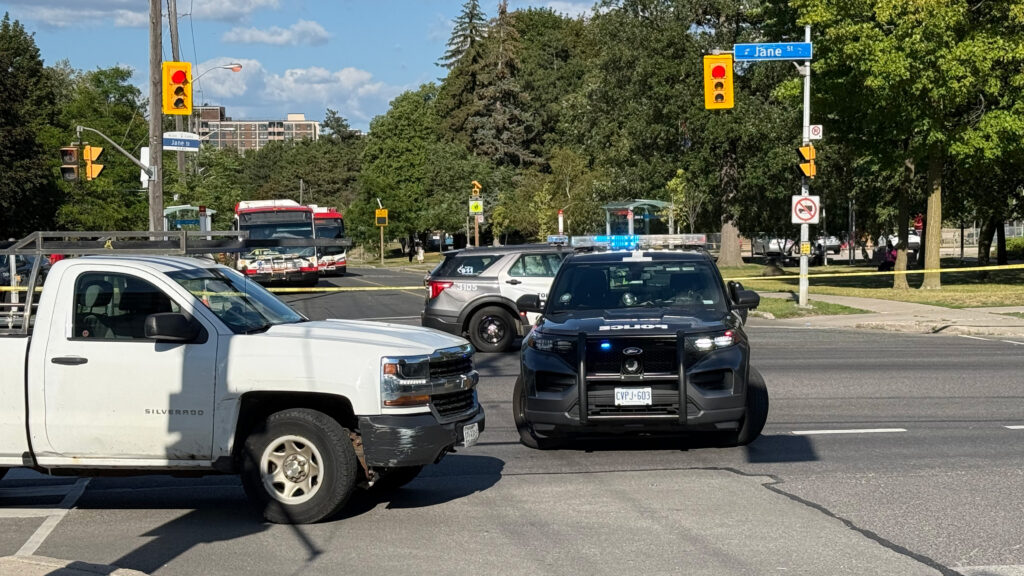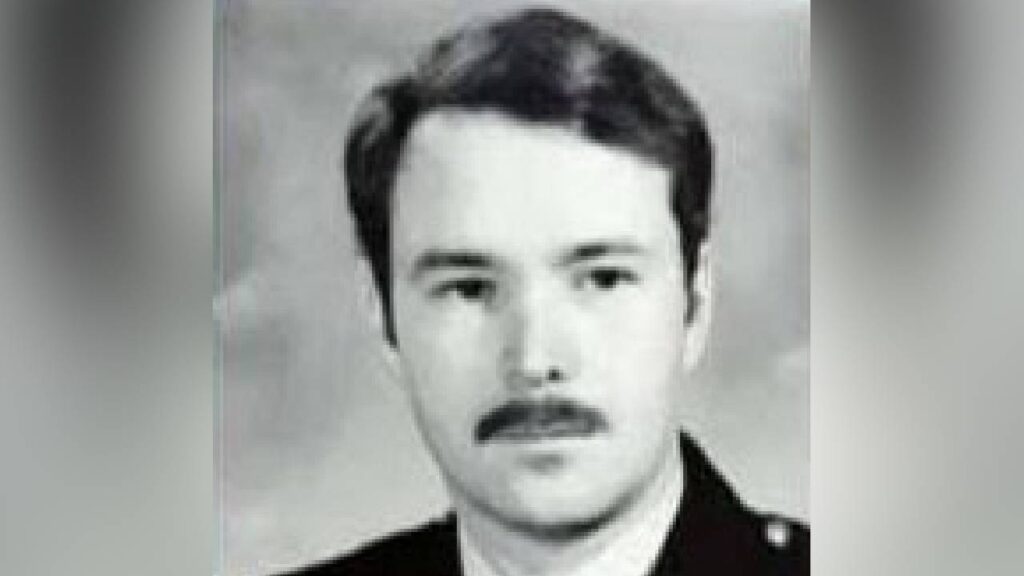
The case of Craig Munro, the man responsible for the 1980 shooting death of Toronto police Constable Michael Sweet, has resurfaced following Munro's recent arrest in Victoria, British Columbia. Victoria police confirmed that Munro was taken into custody on July 28, 2024, and his day parole has since been revoked by the Parole Board of Canada.
Details surrounding the nature of Munro's arrest have not been disclosed by police. This incident marks a significant turn in the ongoing story of Munro, who infamously shot Const. Sweet during a tavern robbery on March 14, 1980. Following the incident, Munro, along with his brother, engaged in a tense 90-minute standoff with law enforcement, during which he refused to allow medical assistance for the critically injured officer. Tragically, Const. Sweet bled to death from his wounds, a circumstance that has haunted his family for decades.
In the years that followed, Munro was granted unescorted temporary absences from prison in 2010 and was eventually given day parole in 2024. Despite this apparent leniency, the family of Const. Sweet has been vocal in their opposition to Munro's continued release. Sweet's daughter, Nicole, alongside his widow and other daughters, has campaigned for changes to the parole system, arguing against Munro's claims of rehabilitation and his right to freedom.
In a heartfelt statement following Munro's release on day parole, Nicole Sweet expressed the profound impact of her father's murder on their family. She remarked, "My dad was an honourable man, and he would be horrified to know that his wife and his girls are having to deal with the torture of facing Craig Munro again and again." This sentiment reflects the deep emotional scars left by the violent crime and highlights the ongoing struggle faced by the Sweet family as they confront the realities of Munro's presence in society.
The circumstances surrounding Munro’s arrest may reignite debates concerning parole systems and the criteria for granting freedom to individuals convicted of violent crimes. The Sweet family's advocacy efforts are likely to gain momentum in light of this recent development, prompting calls for legislative reform to ensure that the voices of victims and their families are heard in discussions regarding parole and rehabilitation.
The emotional toll that cases like this take on families is immense, and the question of justice versus rehabilitation remains a complex and contentious issue within society. As a high-profile case involving a police officer's death, the implications of Munro's actions continue to resonate, reminding the public of the pain experienced by those left behind in the wake of violent crime.