UEFA Maintains World Cup Boycott Amidst FIFA's Crisis Meeting and Apology
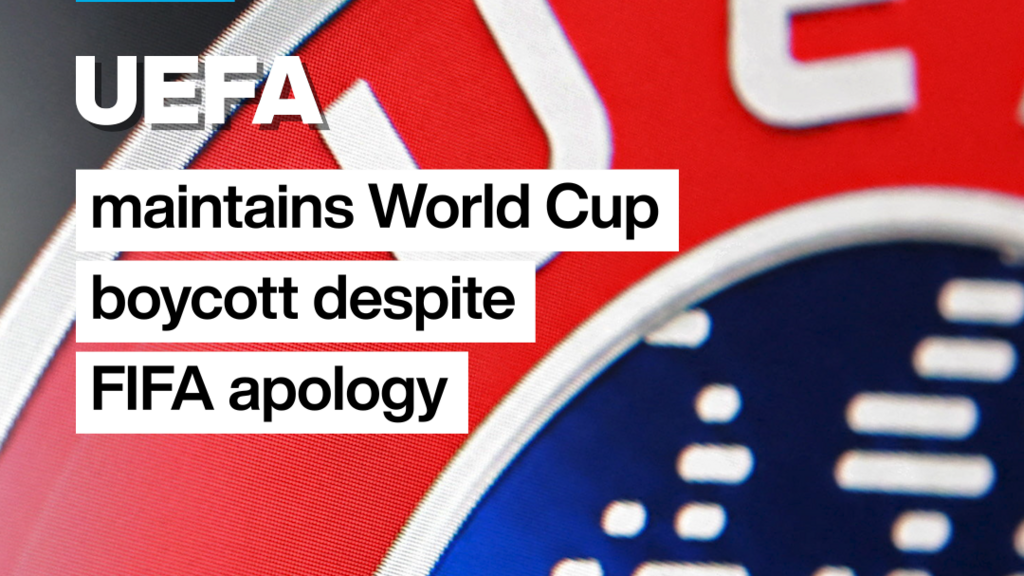
FIFA's recent crisis meeting aimed at addressing escalating tensions within global football has not swayed UEFA, Europe's football governing body. On August 6, UEFA issued a statement reaffirming its decision to uphold a boycott of the World Cup, primarily in response to FIFA's controversial plan to open competitions to private investment. The friction between the two organizations highlights deep-rooted concerns regarding the commercialization of football, which many believe undermines the sport's integrity.
The crux of UEFA's discontent lies in FIFA's proposal to allow private entities to invest in major tournaments, a move that UEFA argues could lead to the prioritization of profit over the traditional values of football. UEFA officials expressed their dismay over the potential implications of such a shift, emphasizing that the sport should remain accessible and rooted in its foundational principles. Given the significant influence FIFA holds, UEFA's actions signal a strong stand against what they perceive as an existential threat to the sport.
UEFA's boycott indicates a broader concern about the implications of privatization in football. Many within the organization fear that private investment could lead to a concentration of power among wealthy individuals or corporations, relegating smaller clubs and countries to the periphery. The potential for increased competition and resource disparity could exacerbate inequalities that already exist within the game, disrupting the balance that is fundamental to a fair sporting environment.
The meeting at FIFA headquarters also included discussions around governance, transparency, and accountability within international football. However, the significant focus on private investment overshadowed these discussions, resulting in discontent among UEFA officials who believe that more substantial reforms are needed. The sentiment echoed throughout UEFA’s statement was one of skepticism regarding FIFA's commitment to preserving the essence of football while embracing a business-oriented approach.
In light of these ongoing tensions, UEFA's stance is indicative of a larger movement among various football federations voicing opposition to FIFA's direction. The organization has encountered resistance not just from UEFA but from other continental governing bodies that share similar concerns regarding the commercialization of the sport. This trend reveals a potential rift within the global football community, as various stakeholders seek to protect their interests and the future of the game from perceived threats posed by financial motivations.
Furthermore, UEFA’s boycott of the World Cup is set against a backdrop of increasing scrutiny over FIFA's governance. The organization has faced multiple allegations of corruption and financial mismanagement in recent years, leading to calls from within the football community for radical reforms. As part of its strategy, UEFA aims to rally support from other football associations to advocate for a more grassroots-oriented approach to the sport, which prioritizes fan engagement and equitable distribution of resources.
In conclusion, UEFA's firm stance against FIFA's plans reflects the intricate balance of power in football governance and the contentious relationship between profitability and the sport's core values. The continuing boycott signals a pivotal moment for the future of football management, as UEFA remains vigilant against developments that may threaten the foundations of the game. As both organizations navigate this complex landscape, the outcome will likely have lasting implications for football governance worldwide.