The Dark Chapter of Belgium's Colonial History: The 1894 World's Fair
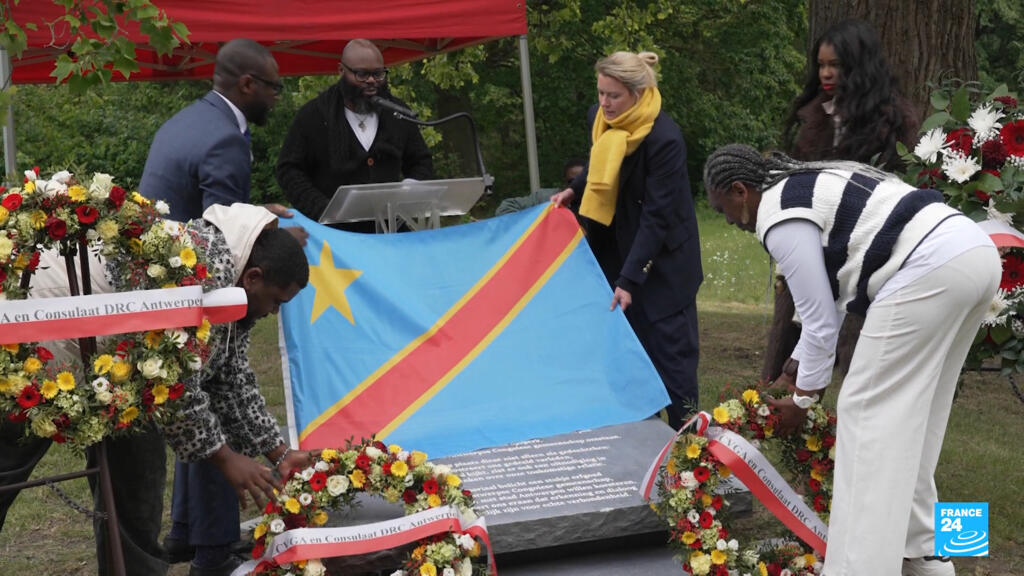
In 1894, the Belgian city of Antwerp became a focal point of international attention as it hosted a World's Fair, a grand event showcasing advancements in technology, culture, and commerce. However, amidst the glitz and glamour of the fair, a grim aspect of Belgium's colonial past emerged, exposing the darker side of colonial exploitation. A total of 144 Congolese people were forcibly brought to Antwerp to be exhibited in the Congo Pavilion, a stark representation of human zoos that were prevalent in various parts of the world at that time.
The Congolese individuals, primarily men, were captured and transported to Belgium under inhumane conditions. This was a part of the larger colonial narrative in which European powers showcased their dominions and claimed superiority over colonized peoples. The Congo Pavilion was not just a display of cultural artifacts; it functioned as a human zoo, where Congolese people were presented as exotic specimens for the entertainment and curiosity of European visitors. This practice not only dehumanized the individuals involved but also perpetuated stereotypes that justified colonial rule.
The conditions faced by the Congolese in Antwerp were deplorable. They lived in appalling circumstances, deprived of basic rights and healthcare. Tragically, seven of the Congolese men succumbed to diseases that spread rapidly within the pavilion’s cramped and unsanitary environment. The exhibition was advertised as educational, yet it stripped the Congolese people of their dignity and humanity, reducing them to mere attractions for a largely uninformed audience.
This episode left a lasting scar on Belgium's collective memory. The exploitation of Congolese individuals during the 1894 World's Fair is remembered as one of the darkest chapters of Belgium's colonial history. It serves as a reminder of the inhumane practices that were often overlooked in the name of progress and civilization. The human zoo phenomenon was not unique to Belgium; many colonial powers engaged in similar practices, but the events in Antwerp stand out due to their stark representation of the exploitation and objectification of colonized peoples.
Today, the legacy of such exhibitions continues to resonate in discussions about colonial history and its impacts. The actions of the past are increasingly scrutinized as societies strive toward a more equitable future. Belgium, in particular, has made efforts to confront its colonial past, acknowledging the suffering endured by the Congolese and other colonized nations. Various organizations and movements advocate for a re-examination of Belgium’s colonial legacy and call for reparations and formal apologies.
As Belgium grapples with its colonial history, the events of the 1894 World's Fair serve as an important case study in the broader context of human rights and dignity. Recognizing and addressing the injustices of the past is essential for healing and building a more just society. The exhibition of Congolese people in Antwerp, and the tragic deaths that resulted from it, underscore the need for ongoing dialogue and reflection on the impacts of colonialism and the responsibilities of former colonial powers.
In conclusion, the stark reality of the 1894 World's Fair highlights the need for continuous education about colonial histories and their enduring legacies. Acknowledging the pain inflicted upon colonized peoples is crucial in shaping a more equitable and understanding future.