In Washington, D.C., the Senate concluded its session in the early hours of Saturday, signaling a temporary end to a significant standoff regarding President Donald Trump's insistence on passing a stringent proof-of-citizenship voting bill known as the SAVE America Act before the upcoming summer recess. Although numerous key priorities were resolved during the overnight votes, advancing the SAVE America Act was not one of them.
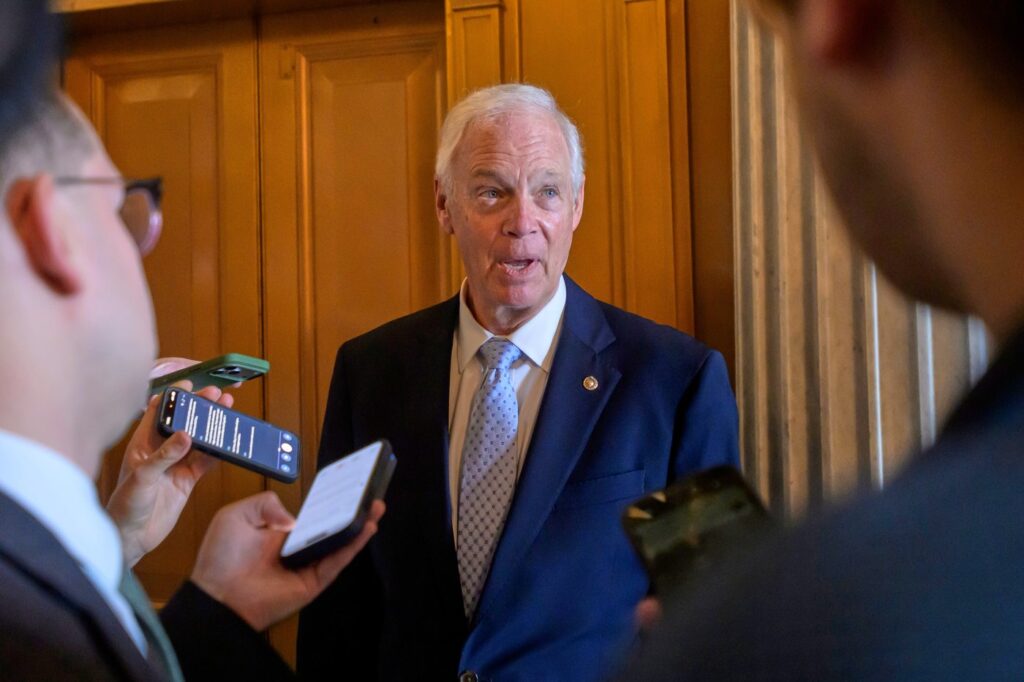
Instead, a group of Republican senators who had brought the Senate to a halt communicated with Trump about an alternative approach: they proposed to incorporate elements of the voting bill into a broader GOP budget package aimed at funding military operations, including those related to the Iran war, when they reconvene in September. Senator Ron Johnson of Wisconsin, the GOP budget committee chairman, stated that this proposal was aligned with what the President directed, indicating a strategic shift in handling the legislative agenda.
The abrupt conclusion of the session, following weeks of increasing pressure from Trump, underscores the extent of the President's influence within Congress. While Trump is often seen as a de facto leader, exerting control over House activities, he is also striving to assert his influence over the Senate. He had pressed Senate Majority Leader John Thune for weeks to push the SAVE America Act through, a bill that lacks sufficient support among the Republican majority and would require Democratic votes to advance.
Trump has even suggested that the Senate should dismiss its filibuster regulations to facilitate passing the SAVE America Act, which has not gained traction among many senators, including Thune. This pressure culminated in Trump expressing his disappointment if Thune could not deliver results, emphasizing the complexity of the situation amid political realities.
Thune is attempting to juggle the unique demands of Trump's agenda while navigating the limitations posed by a slim GOP majority, especially given the temporary absence due to health issues of Senator Mitch McConnell of Kentucky. Nonetheless, Thune reassured that there is a general consensus among Republican senators, noting the necessity of addressing budgetary legislation in the near future.
During a lengthy session that lasted nearly 20 hours, Thune successfully advanced various other legislative priorities for Trump, such as confirming Todd Blanche as Attorney General, passing a comprehensive Russian sanctions package to aid Ukraine, and approving a bipartisan measure to fund the government through December, steering the conversation away from contentious issues like the SAVE America Act.
A smaller voting bill requiring identification for federal elections was also unsuccessfully pushed forward, failing primarily due to Democratic opposition. Despite the legislative stalemate, the effort to advance the SAVE America Act had become a central focus for Trump's allies in Congress, supported by activists urging action.
This push was particularly spearheaded by Senator Mike Lee of Utah, alongside other senators who resisted adjourning for the summer without a vote on Trump’s priority legislation. Thune convened all Republican senators for discussions as the stalemate deepened. Ultimately, the need for a strategic consultation with the President led to a meeting to determine a path forward.
Post-discussion, Johnson characterized these talks as an effort to align with the President’s desires, although Lee voiced his disappointment with the lack of progress. He acknowledged the stark political realities that impeded their ability to pass the bill at this juncture. When it came time to vote on the motion to adjourn, objections were raised, yet the motion was ultimately adopted, concluding the session.