OTTAWA — The federal government of Canada has decided to abandon its plans to exempt certain projects from the Species At Risk Act (SARA) following an overwhelmingly negative response from the public during consultations held over the summer. This decision comes in light of the substantial feedback received from over 26,000 submissions during the consultation period.
Originally, the government proposed giving cabinet ministers limited authority to exempt projects from what is known as the "jeopardy test" for species at risk. This proposal was included in two discussion papers released in May and was aimed at expediting the approval process for major projects, a key initiative promised by Prime Minister Mark Carney. The government asserted that exemptions would only be granted if deemed necessary for the public interest and if the project proponent made reasonable efforts to minimize impacts on at-risk species.
A senior government source confirmed reports that the government is no longer moving forward with the contentious aspect of the proposal, recognizing the strong public opposition. Concerns were particularly voiced by Indigenous groups regarding the implications of such exemptions on their rights and the potential undermining of environmental protections established by the Species at Risk Act.
The consultation report highlighted that while many stakeholders supported efforts to coordinate reviews for species at risk, there were widespread apprehensions that streamlining the process might inadvertently lead to the deregulation of crucial environmental safeguards. Stakeholders expressed concern over any proposals that could diminish environmental review requirements or expand ministerial and cabinet discretion over environmental conditions.
Despite abandoning the specific proposal to exempt projects from the Species at Risk Act, environmental groups caution that the government could still use alternative mechanisms to bypass these protections. For instance, the Building Canada Act, passed alongside the controversial Bill C-5, empowers the federal government to designate projects of "national interest" that can circumvent a dozen existing laws—including the Species at Risk Act.
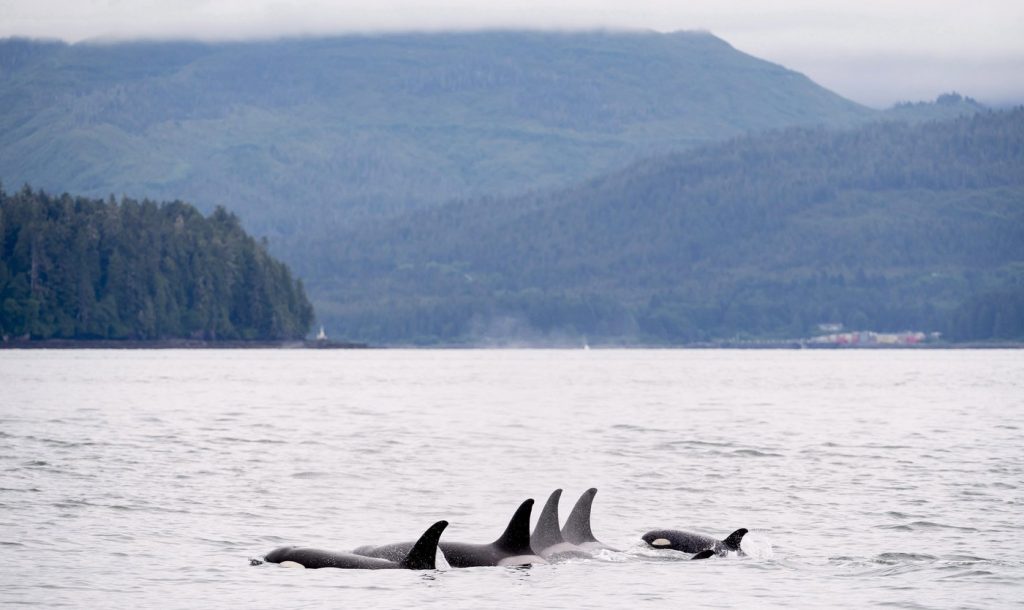
Julia Levin, the associate director at Environmental Defence, remarked on this development, insinuating that the government’s approach creates multiple pathways to achieve its desired outcomes, raising concerns about potential repercussions for endangered species, particularly the Southern Resident Orcas. Levin stated that while the removal of one pathway to extinction is commendable, the overall safety of species remains uncertain due to the lingering risks posed by existing frameworks.
Furthermore, Levin emphasized the continuity of threats to species and ecosystems due to Prime Minister Mark Carney's broader vision for major projects in Canada. She noted that the removal of exemptions does not guarantee enhanced safety for at-risk species; instead, it merely eliminates one avenue through which environmental protections could be undermined.
As the government prepares to introduce new legislation aimed at expediting project approvals, stakeholders remain vigilant, advocating for robust protections for endangered species and urging against any measures that might prioritize development over ecological sustainability. The situation highlights the ongoing tension between economic ambitions and environmental conservation in federal policy making.