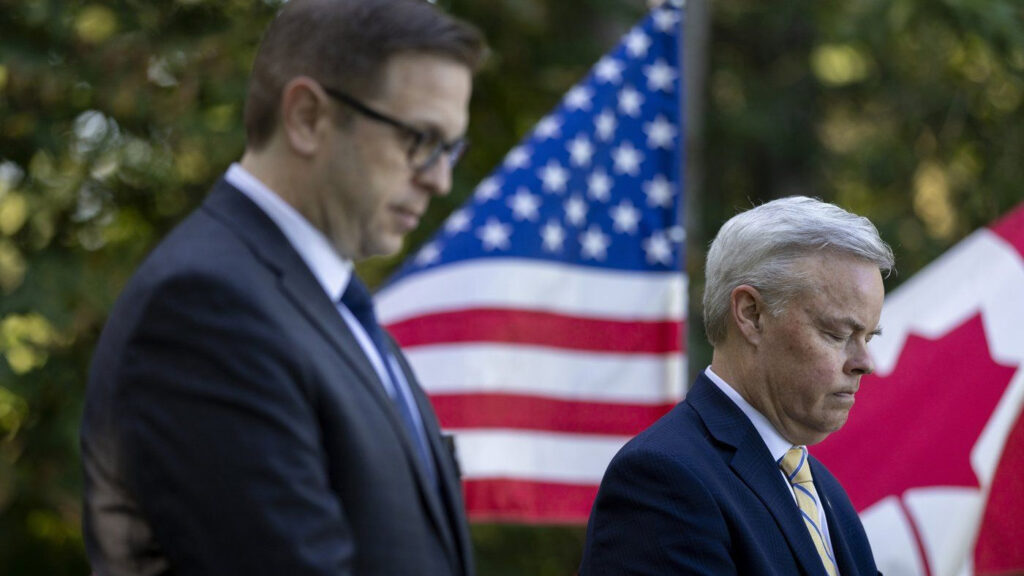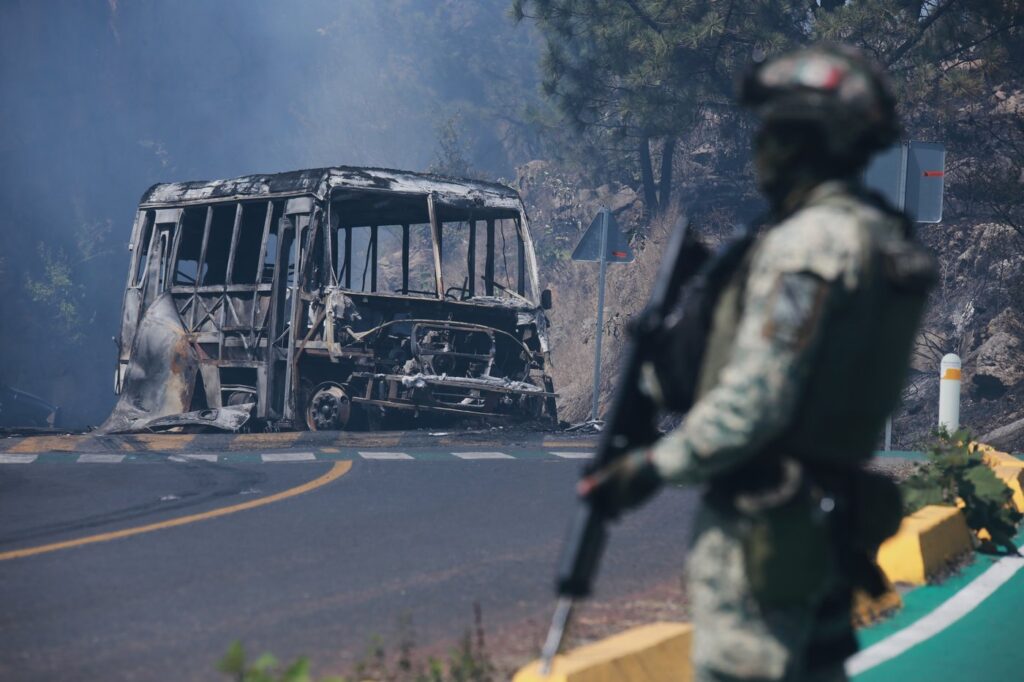
MEXICO CITY (AP) — The Trump administration has designated 21 criminal groups from Latin America and the Caribbean as “foreign terrorist organizations,” with the latest addition being an Ecuadorian group. The U.S. Secretary of State Marco Rubio made this announcement during his visit to Colombia, Ecuador, and Peru, emphasizing the U.S. strategy to combat drug trafficking throughout the region.
This designation, traditionally reserved for groups like the Islamic State and al-Qaida, now targets organizations primarily engaged in drug trafficking. Trump's intention is to intensify pressure on these groups and anyone assisting them. The strategy, initiated in February 2025, laid the groundwork for the capture of Venezuelan President Nicolás Maduro, along with numerous military attacks on alleged "narcoterrorist" vessels, resulting in over 200 fatalities. In response, countries in Latin America, such as Guatemala and Argentina, have taken similar actions against specific organizations, while Ecuador has begun joint military operations within its borders.
Mexico holds the highest number of groups on the list, with eight identified organizations. The Mexican government faces immense pressure from the U.S. to prevent unilateral actions, particularly following recent indictments of high-level officials in Sinaloa state. Notably, contradictions in Trump’s approach are evident, such as the case of former Honduran President Juan Orlando Hernández, who received a 45-year sentence for drug trafficking yet was pardoned by Trump last year.
The following outlines the designated groups:
MEXICO:
- The Sinaloa and Jalisco New Generation cartels are the main targets, being the largest manufacturers and suppliers of fentanyl to the U.S. The Sinaloa Cartel, Mexico’s oldest criminal organization, has operated since the 1970s and utilizes various methods to transport drugs globally. Conversely, the Jalisco New Generation Cartel emerged in the early 2010s and is notorious for its violence against authorities, using high-tech weaponry.
- The Gulf Cartel, Northeast Cartel, and Juarez Cartel control significant drug trafficking routes in Texas. The Gulf Cartel, infamous for its contributions to the Zetas group, continues to influence the drug trade along the Eastern U.S.-Mexico border. Meanwhile, Juarez Cartel has maintained a long-standing grip on the critical Ciudad Juárez crossing.
- La Familia Michoacana, Carteles Unidos, and Viagras are local groups operating in Michoacan, engaging in synthetic drug production and extortion. La Familia has evolved multiple times, parallel to shifts in regional allegiances and alliances.
CENTRAL AMERICA:
- Barrio 18 and Mara Salvatrucha (MS-13) dominate the gang landscape in El Salvador, Guatemala, and Honduras. Originating from Los Angeles, these gangs expanded their influence following the deportation of many members. El Salvador's President Nayib Bukele has implemented a harsh crackdown on gang activities, resulting in the imprisonment of tens of thousands.
COLOMBIA:
- Clan del Golfo, also known as AGC, is Colombia's most formidable armed organization, with around 9,000 fighters involved in extortion across one-third of the nation's municipalities. Peace talks with the government have collapsed recently.
VENEZUELA:
- Tren de Aragua emerged from a Venezuelan prison and has expanded its operations to several countries. Initially focused on drug trafficking, the group now predominantly engages in human trafficking and extreme violence.
- Cartel de los Soles, linked to Maduro, represents high-ranking military officials engaged in drug trafficking and government corruption.
ECUADOR:
- Los Lobos, Los Choneros, The Chone Killers, and Los Tiguerones are responsible for escalating violence during the COVID-19 pandemic, engaging in contract killings and drug trafficking.
BRAZIL:
- Commando Vermelho and Primeiro Comando da Capital are two powerful Brazilian criminal organizations involved in pervasive violence against law enforcement and civilians.
HAITI:
- Viv Ansanm and Gran Grif gangs are linked to violent crimes including arms trafficking and kidnapping. The Viv Ansanm coalition gained notoriety for a series of violent assaults that destabilized Haiti's political landscape.
These designations reflect the growing global concern regarding organized crime in Latin America and its extensive implications, further complicating U.S. foreign policy and regional stability.