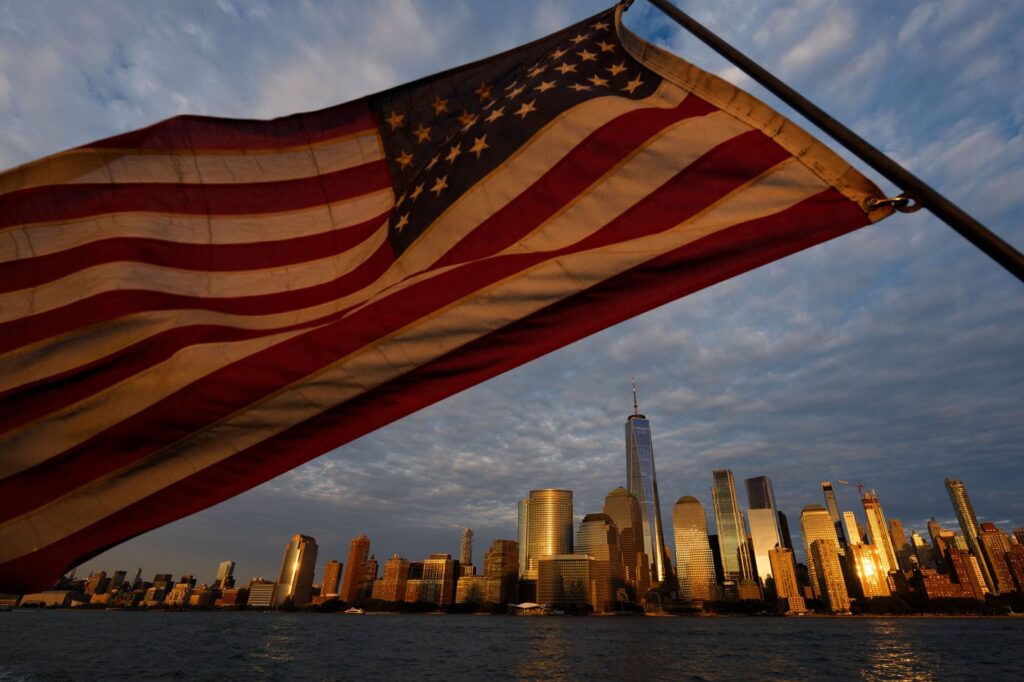
NEW YORK (AP) — Americans observed the 25th anniversary of the September 11 attacks on Friday, recalling the shock, the loss of life, and the profound repercussions of the al-Qaida assaults on U.S. landmarks. The anniversary was marked by various memorial rituals, including wreath-laying, flag-flying, moments of silence, vigils, and readings of victims' names. A recent poll indicates that approximately half of U.S. adults view 9/11 as the most significant event of their lifetime. On that fateful day in 2001, al-Qaida operatives hijacked four commercial airplanes, crashing them into the World Trade Center in New York, the Pentagon, and a field in Shanksville, Pennsylvania, resulting in nearly 3,000 fatalities.
Among those commemorating was Elsie Caldwell, who brought a photograph of her son, Kenny, to Ground Zero to hear his name read aloud. Caldwell recalled the last conversation she had with her son, who expressed his love for her during a call just before the attacks. Sadly, like many other victims' remains, Kenny's were never recovered.
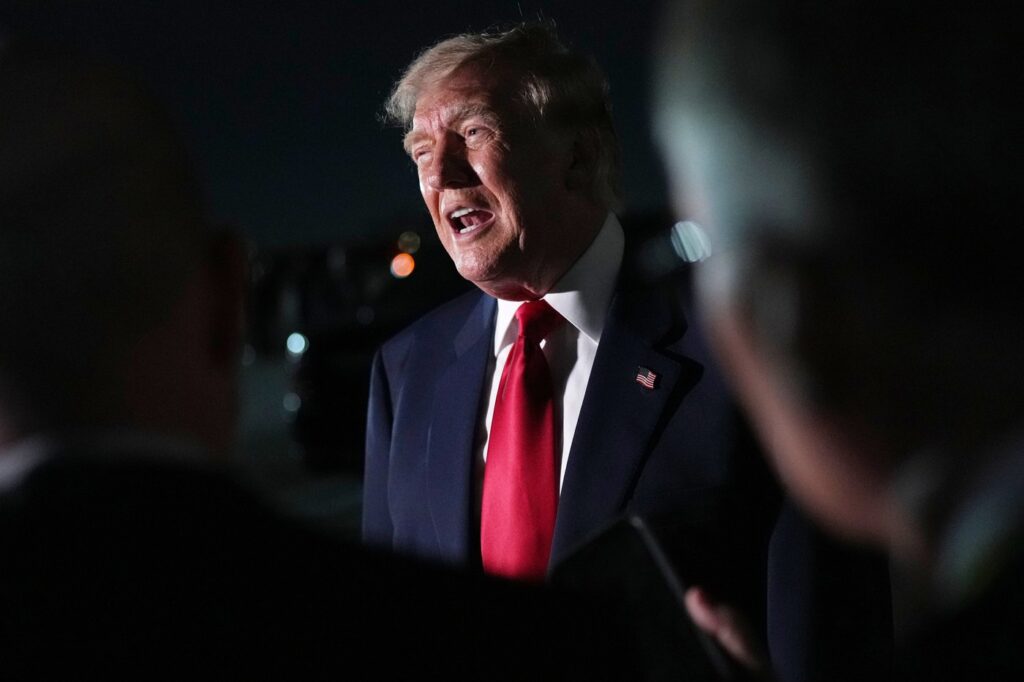
Attending the Pentagon ceremony, former President Donald Trump remarked on the enduring impact of 9/11. He noted the attacks reminded the nation of "the terrible power of hate," while emphasizing "the even greater power of the American spirit to endure and prevail." Former President George W. Bush, who was in office during the attacks, attended the observance at the National September 11 Memorial in New York, alongside former presidents Bill Clinton, Barack Obama, Joe Biden, and current Vice President JD Vance. Commerce Secretary Howard Lutnick was visibly emotional as he remembered the loss of 658 colleagues from the investment firm Cantor Fitzgerald, including his brother.
In addition to honoring immediate victims, the commemoration acknowledged those who later fell ill due to exposure to toxic dust from the attacks. Angilic Casalduc, who lost her mother, Vivian, expressed that attending the memorial helps her feel less alone, illustrating the ongoing emotional toll of the tragedy. This year, the ceremony incorporated a new tribute to those who succumbed to illnesses linked to the aftermath of 9/11.
The shadow of 9/11 has had lasting implications on various aspects of American life and international relations. The subsequent U.S.-led global war on terrorism included military actions in Iraq and Afghanistan, the latter being the longest war in U.S. history. Additionally, the U.S. infrastructure underwent significant changes, with the establishment of the Department of Homeland Security and expansions in federal surveillance and intelligence. These responses initiated a debate over balancing national security and civil liberties.
As years passed, the aftermath of 9/11 fostered a culture of vigilance. Casey Kloepfer, who was only four years old when his father, Officer Ronald Kloepfer, was killed at the World Trade Center, became a police officer in June, proudly wearing his father’s badge number. This sense of service and responsibility has been echoed in many lives across the nation.
However, the events of 9/11 also led to increased mistrust and prejudice, particularly towards Muslim Americans. Many have since risen to influential positions in American society, including Zohran Mamdani, New York City's first Muslim mayor, who faced scrutiny for attending the anniversary ceremony. Mamdani focused his remarks on honoring the victims and highlighting the community spirit that emerged in the wake of the attacks.
Throughout the country, memorial events took place well beyond New York and Washington, including special ceremonies and moments of silence in locations like New Hampshire and Mississippi. Although September 11 is not designated as a federal holiday, Congress has recognized it as Patriot Day and a National Day of Service and Remembrance. Jay Winuk, co-founder of the 9/11 Day organization, emphasized that serving others is a fitting tribute to those lost in the tragedy, arranging for Times Square billboards to pause advertisements in remembrance of the events.