Potential Meeting Between Zelensky and Putin at G20 Summit
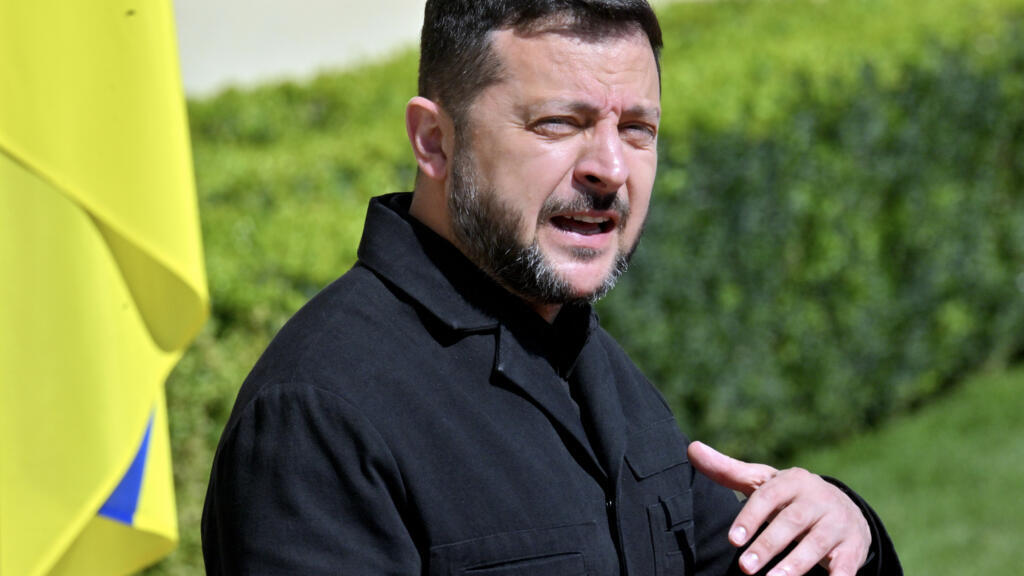
Ukrainian President Volodymyr Zelensky has expressed his willingness to meet with Russian President Vladimir Putin during the upcoming G20 summit scheduled to take place in Miami. This potential meeting comes amidst ongoing tensions between the two nations, which have been exacerbated by the ongoing conflict initiated by Russia's invasion of Ukraine. Zelensky's offer reflects his commitment to finding diplomatic solutions, despite the complexities of the current geopolitical landscape.
In response to Zelensky's proposal, the Kremlin has not confirmed Putin's attendance at the G20 summit. The uncertainty around Putin's participation adds another layer of complexity to the situation. Instead of agreeing to meet Zelensky in Miami, the Kremlin has insisted that the Ukrainian president should travel to Russia for any discussions. This demand underlines Russia's position in the ongoing conflict and indicates a reluctance to engage on neutral ground, which could facilitate more open dialogue.
The backdrop of this proposed meeting is significant. Since the Russian invasion of Ukraine in February 2022, relations between the two countries have deteriorated severely. The conflict has resulted in widespread destruction and a humanitarian crisis in Ukraine, drawing international attention and sanctions against Russia. Zelensky's administration has consistently sought support from Western nations, while also indicating a readiness to negotiate peace, provided that Ukrainian sovereignty is respected.
The upcoming G20 summit in Miami is set to attract leaders from around the world, creating a platform for discussions on global economic issues, climate change, and international security. The presence or absence of Putin at this summit could have implications for diplomatic relations not only between Ukraine and Russia but also among G20 member states. Discussions surrounding the war and its repercussions are likely to feature prominently on the agenda, and how world leaders choose to navigate these discussions will be critical.
Furthermore, the insistence from the Kremlin for Zelensky to come to Russia suggests a strategic maneuver. By shifting the locus of negotiations, Russia may aim to project power and control over the dialogue process. It also raises questions about the feasibility of peace talks in an environment where there is already a remarkable level of distrust and animosity between the two sides.
Moreover, the situation highlights the differing approaches to diplomacy taken by each leader. Zelensky’s openness to dialogue reflects a desire for resolution and stabilization in the region, while Putin's preference for a home-ground meeting signals a more assertive stance. This dynamic presents challenges not only for the respective countries involved but also for the international community, which is keen on peace and reconciliation in Eastern Europe.
As the G20 summit approaches, the international community watches closely to see if any breakthrough can occur in the discussions between Zelensky and Putin. The outcomes at the summit could serve as an indicator of the future trajectory of Ukraine-Russia relations, as well as provide insights into the broader geopolitical shifts taking place in response to the ongoing conflict.
In conclusion, the developments surrounding the possible meeting between President Zelensky and President Putin at the G20 summit in Miami raise important questions about peace negotiations, international diplomacy, and the ongoing conflict in Ukraine. As both leaders navigate these challenging waters, the potential for dialogue remains a crucial aspect of global efforts toward resolving this protracted crisis.