Sweden Prepares for Pivotal General Election
Swedes are set to head to the polls on Sunday, marking a crucial moment in the country’s political landscape. The general election holds significant implications, with the potential to either usher a far-right party into government for the first time in Swedish history or redirect the nation toward its traditional roots of liberalism. The outcome of this election is poised to shape Sweden’s policies and its overall socio-political climate for years to come.
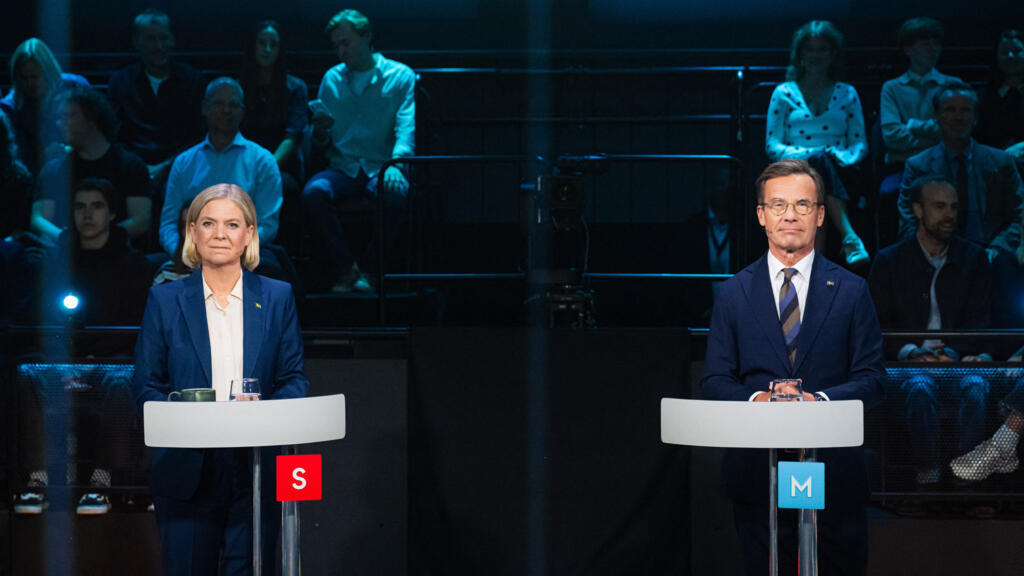
As the campaign season comes to a close, recent polls indicate that the centre-left opposition party is maintaining a narrow lead over the ruling right-wing bloc. The stakes are high, especially as Prime Minister Ulf Kristersson's four-party alliance, which includes the far-right Sweden Democrats, has demonstrated a notable surge in momentum during the final weeks of campaigning. The Sweden Democrats, known for their anti-immigration stance and populist rhetoric, have been criticized by many for their controversial positions, yet they have also gained support among voters who prioritize security and national identity.
The political landscape in Sweden has been evolving rapidly, with issues such as immigration, climate change, and economic policy taking center stage in the public discourse. The centre-left opposition, often characterized by its focus on social welfare and progressive policies, aims to reassure voters of its commitment to traditional Swedish values. In contrast, Kristersson’s coalition is leveraging discontent with the current government’s handling of these issues while presenting a vision of Sweden that emphasizes strength and unity in addressing challenges ahead.
The campaign season has seen a heightened level of engagement among voters, with various parties organizing rallies, debates, and door-to-door canvassing efforts. The Denmark-Sweden relationship and security concerns stemming from regional geopolitical tensions have also figured prominently in discussions, making voters ever more aware of the implications of their choices on both domestic and foreign policy fronts.
This election is not only a test for the political parties involved but also a reflection of broader societal shifts occurring within Sweden. Long regarded as a beacon of social democracy, Sweden is at a crossroads, contending with demographic changes, immigration-related debates, and economic pressures that have stirred public sentiment. Voter turnout is expected to play a crucial role in determining the outcome, with both camps urging supporters to make their voices heard in this landmark election.
As voters gear up to cast their ballots, the atmosphere is charged with anticipation. The potential for a far-right party to join the government marks a significant shift in Sweden’s political narrative, stirring both hope and apprehension among different segments of the population. While some individuals view the rise of the Sweden Democrats as a necessary response to contemporary challenges, others express concern over the implications for Sweden's values of inclusivity and equality.
In the final days leading up to the election, both sides have intensified their efforts to sway undecided voters. The ruling alliance seeks to consolidate its support by emphasizing stability and continuity, while the opposition strives to convey a clear message of change and progress. As Swedes prepare to make a choice, the stakes are as high as ever, with the potential to significantly alter the trajectory of the nation.