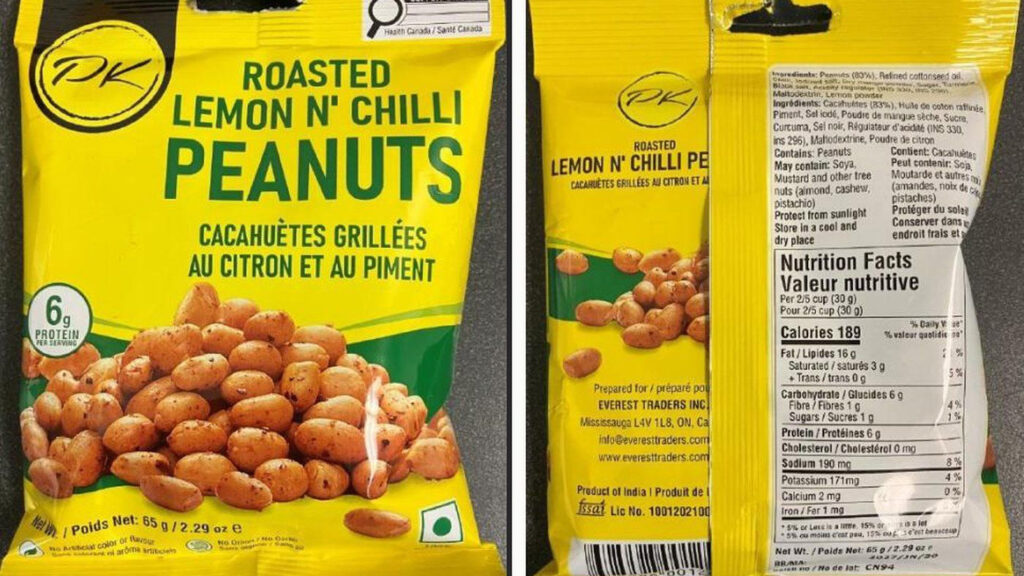
Canadian food safety authorities are alerting consumers in Ontario and Quebec about potential contamination of peanuts with salmonella. The warning was issued by the Canadian Food Inspection Agency (CFIA) as part of a significant recall involving a specific product known as "Roasted Lemon N’ Chilli Peanuts," sold by the brand PK.
The recall notice, first disseminated on Thursday, indicates that the peanuts should not be consumed. Instead, consumers are advised to dispose of the product safely or return it to the point of purchase for a refund. This precaution aims to prevent any health risks associated with the consumption of contaminated food.
Salmonella is a bacterium that can lead to serious foodborne illness. The CFIA emphasizes that food contaminated with salmonella may not exhibit any visible signs of spoilage, such as unusual odor or appearance, making it particularly insidious. Consumers are urged to remain vigilant, as even healthy individuals can experience symptoms like fever, headaches, and vomiting after ingesting contaminated foods. Those with weakened immune systems are at an increased risk of contracting severe and potentially life-threatening infections from consuming such products.
However, it is noteworthy that as of the latest updates, there have been no reported illnesses associated with this specific recall. This emphasizes the importance of proactive measures to ensure food safety and prevent any health issues that could arise from consuming these peanuts.
Consumers are strongly encouraged to check their pantries and remove any affected products from their homes. The CFIA's recall efforts underline the agency's commitment to public health and safety, aiming to inform and protect the public from foodborne pathogens.
In light of this recall, individuals are reminded of the importance of food safety practices, especially in ensuring that remote regions are not neglected in food safety monitoring. Effective communication from food safety authorities can significantly mitigate the risk of foodborne illness outbreaks and enhance consumer confidence in food safety protocols.