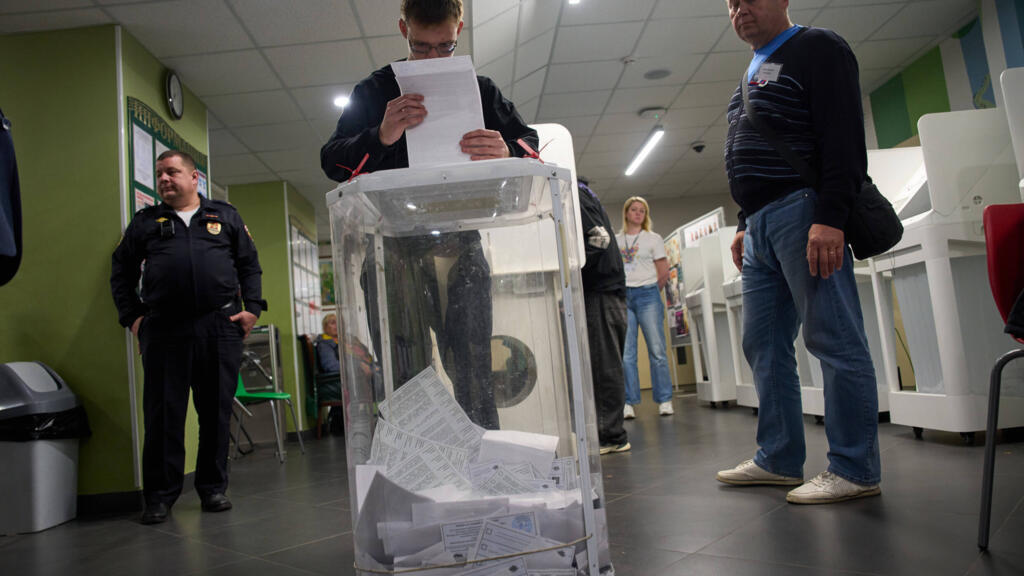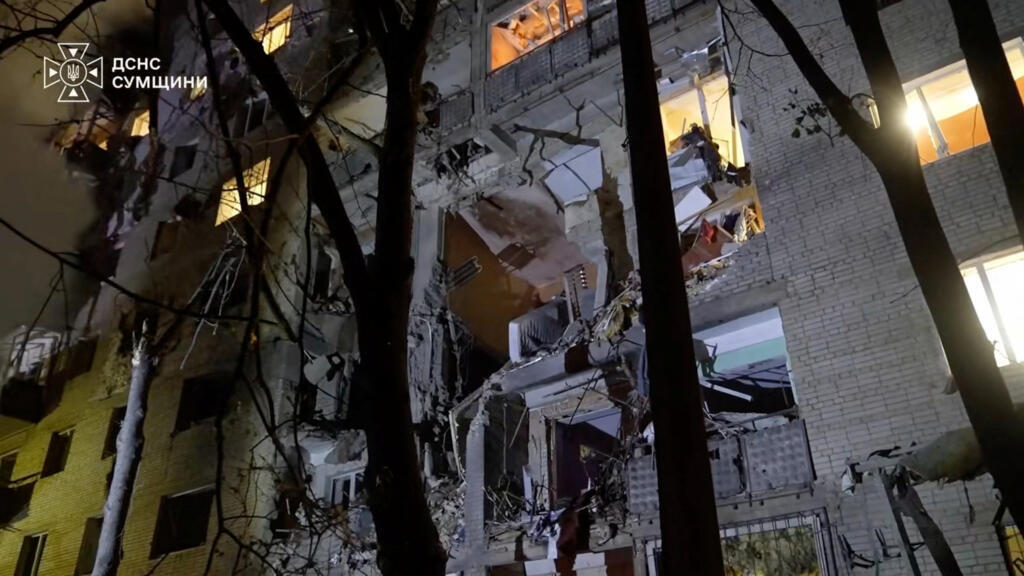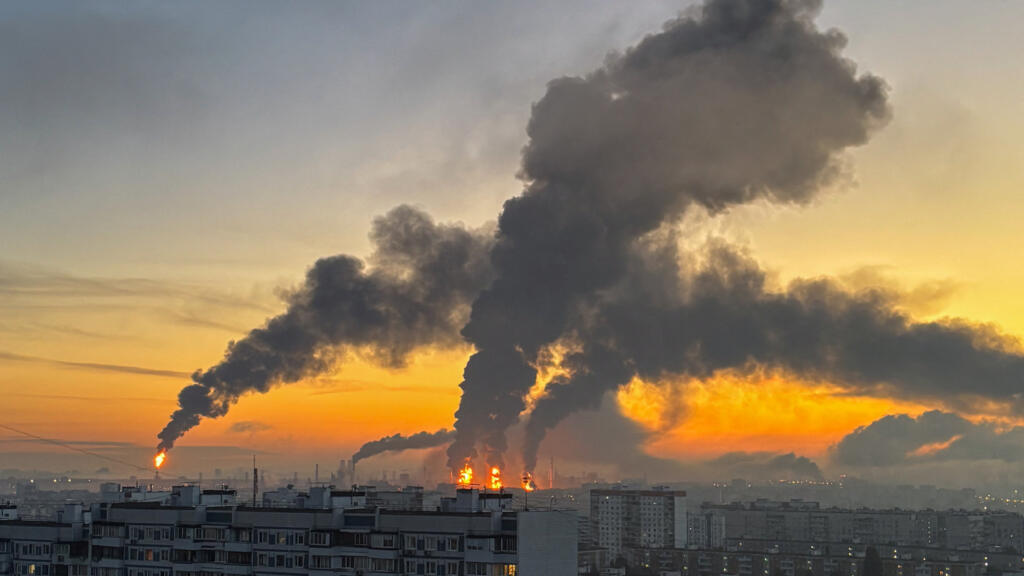
On a recent Sunday, Ukraine conducted what Moscow's Mayor Sergei Sobyanin referred to as the "largest ever" attack on the Russian capital, resulting in the deaths of two individuals and causing damage to a portion of an oil refinery. This significant offensive marks a critical moment as it coincides with the third and final day of voting in Russia's first parliamentary elections held during wartime.
The timing of the attack is highly notable, as it occurred amidst an election period that has drawn considerable attention and concern. Reports indicate that the strike led to an increase in tensions in the region, showcasing the ongoing conflict between Ukraine and Russia which has escalated since the start of the war. The incident not only highlights the military capabilities of Ukraine but also raises questions about the security measures in place within the Russian capital.
Moscow officials reported the immediate aftermath of the attack, describing smokes rising from affected areas and the emergency services responding to the scene. The casualties reported are indicative of the broader impact that such military operations have on civilians, further complicating the already tense environment surrounding the elections. Eyewitness accounts from the city reflected a mixture of fear and uncertainty amongst residents, many of whom are grappling with the implications of an active warzone environment.
In addition to the loss of life and the physical damage to the refinery, the attack has potential repercussions on the electoral process in Russia. The fact that it occurred during a critical voting period may influence public perception regarding the government’s ability to maintain security and order. This election, being the first conducted in a wartime context, is already fraught with mistrust, and incidents like this can exacerbate doubts about the legitimacy of the electoral process.
As the situation continues to evolve, international observers are paying close attention to the outcome of the elections as well as the responses from both the Russian government and Ukrainian authorities. Analysts suggest that the results could impact future military strategies and political maneuvers in the ongoing conflict.
The broader geopolitical landscape remains tense, with various nations monitoring not just the electoral situation in Russia but also its implications for regional stability. The attack symbolizes not only the tactical decisions made by Ukraine in its defense but also serves as a stark reminder of the perilous environment in which both military and civilian populations exist.
In conclusion, this significant military action underscores the complexity and danger present in the ongoing war, as well as the intertwining of military tactics and political processes. The next steps from both Ukraine and Russia will be crucial in determining the future dynamics of the conflict and the stability of the region as a whole.