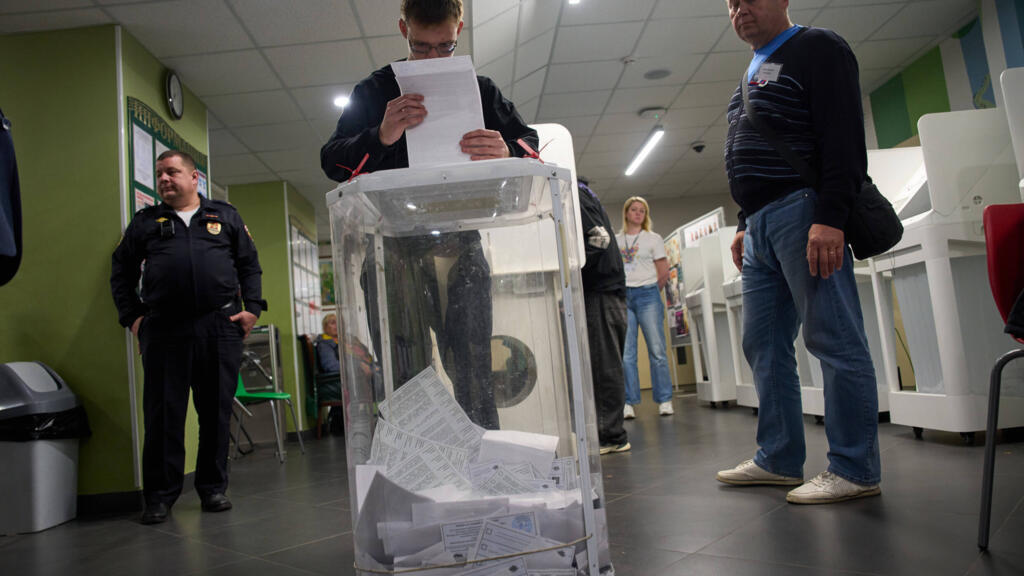
Vladimir Putin's ruling political group, the United Russia party, has secured a significant majority in the recent parliamentary elections held in Russia. This electoral win comes amid a series of cyberattacks and a relentless barrage of drone strikes orchestrated by Ukraine, underscoring the heightened tensions in the region. Early results released by state media on Monday indicated that the party maintained its dominant position within the Duma, the lower house of the Federal Assembly of Russia, a vital institution that plays a crucial role in the governance of the nation.
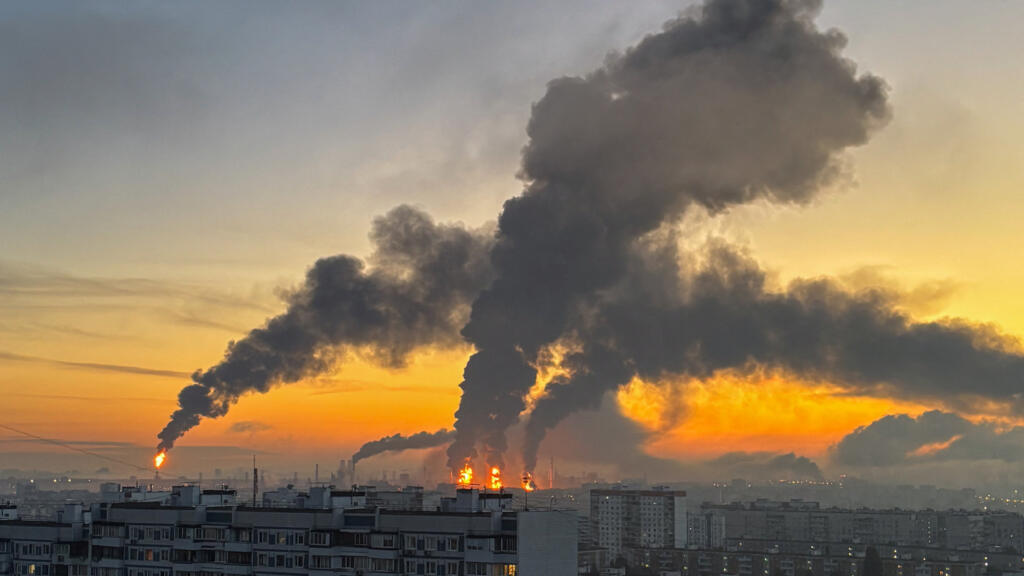
Meanwhile, the geopolitical landscape continues to be turbulent, particularly in the context of the ongoing conflict with Ukraine. In a reaction to a remarkable drone attack on Moscow, Russian officials have announced their intent to "intensify" military strikes on Kyiv. This declaration highlights the escalating hostilities and the retaliatory nature of the conflict, which has seen both sides engage in strategic offensives to assert dominance. The situation has become increasingly complex, with military strategies being closely monitored by international observers.
The parliamentary election results indicate that United Russia, despite facing various challenges, including widespread criticism from opposition figures and the impact of international sanctions, has managed to consolidate its power. The party has been accused of employing undemocratic tactics to secure votes, leading to doubts about the authenticity of the electoral process. Nevertheless, the state media's portrayal of the results suggests that the party enjoys considerable support among the populace, reflecting a blend of nationalism and loyalty to Putin's leadership.
As the dust settles from the elections, the focus shifts back to military operations between Russia and Ukraine. The recent drone attack on Moscow, which allegedly originated from Ukrainian forces, marks a significant development in the ongoing conflict. In retaliation, Russian officials have set forth a commitment to ramp up their military actions directed at Ukrainian targets. This cyclical pattern of aggression underscores the fragility of peace in the region and suggests that both nations may be preparing for prolonged confrontation.
The implications of these events are profound, not only for the countries directly involved but also for the broader international community. As tensions escalate, there are increasing concerns regarding global security and stability. The conflict has already had far-reaching consequences beyond the borders of Russia and Ukraine, affecting energy supplies, economic conditions, and diplomatic relations worldwide.
In conclusion, the aftermath of the parliamentary elections and the continued military clashes exemplify the precarious nature of the situation in Eastern Europe. The Russian government's resolve to escalate its military operations signals a potential shift in the conflict's dynamics, and the reactions from international actors will play a crucial role in shaping future developments. The interplay of domestic politics and external threats highlights the complexities faced by leaders in navigating a contentious environment marked by both internal dissent and international pressures. As events unfold, the world will be watching closely for signs of change or escalation in this critical geopolitical landscape.