Situation in Pokrovsk and Disinformation on Drafting Practices in Ukraine
On a recent Tuesday, President Volodymyr Zelensky acknowledged the challenging circumstances in the war-torn town of Pokrovsk, located in eastern Ukraine. This admission comes amid ongoing military confrontations as Ukraine continues to fend off aggressions from Russian forces. The situation in Pokrovsk has been described as particularly dire, with significant military activity and casualties reported. Ukrainian armed forces are operating under strenuous conditions, striving to maintain control over this strategic location.
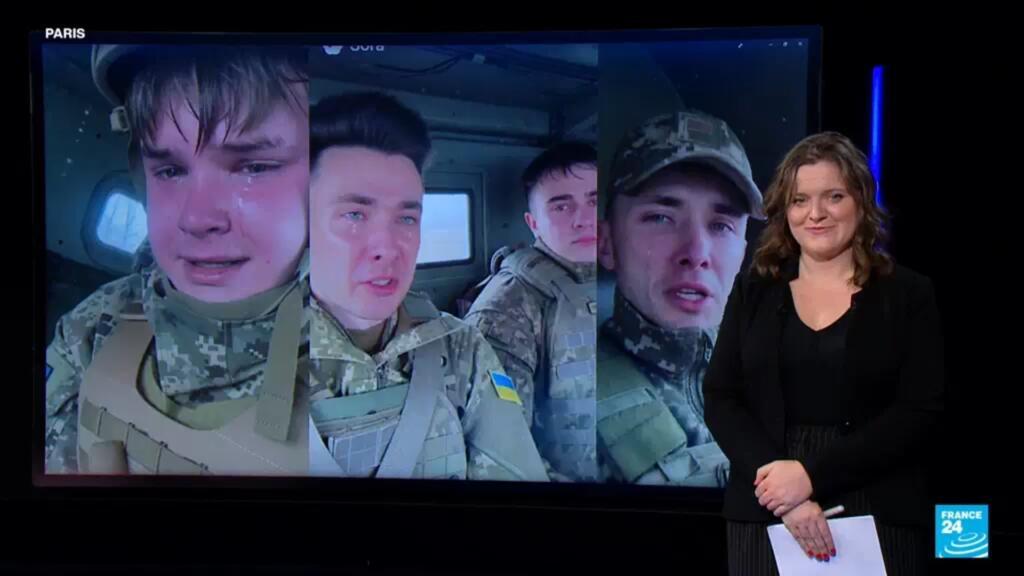
In a broader context, the ongoing war has led to heightened tensions and rumors within the country. Among the various narratives circulating, some viral clips have emerged that suggest the Ukrainian government is unlawfully conscripting younger men into military service against their will. These videos have sparked discussion and concern, alleging that the ethical boundaries of recruitment have been crossed, leading to calls for accountability and transparency from the Ukrainian authorities.
However, investigations into the veracity of these viral videos have revealed that they are not based on factual evidence. Experts point out that these clips have been generated using artificial intelligence technologies, raising significant concerns about the spread of disinformation amidst the ongoing conflict. Such misleading content can exacerbate public anxiety and contribute to the already complex atmosphere surrounding military mobilization in Ukraine.
The dissemination of AI-generated misinformation highlights the challenges faced by both the government and the public in distinguishing between reality and fabricated narratives during wartime. As the war in Ukraine persists, the misinformation landscape is becoming increasingly intricate. Officials underscore the importance of verifying sources and obtaining accurate information rather than succumbing to sensationalized or misleading depictions of military practices.
Consequently, President Zelensky and other government representatives continue to advocate for clear communication and transparency regarding military conscription processes. They emphasize that any recruitment practices will be conducted lawfully and ethically, citing the need for responsible measures as the conflict endures. The government urges citizens to refrain from spreading unverified claims that could undermine morale and create unnecessary division within society.
As the situation in Pokrovsk and across Ukraine remains fluid, it is imperative for individuals to critically assess information sources and engage with credible news outlets to stay informed about the ongoing developments related to the conflict and the realities of military conscription. By fostering a culture of information literacy, citizens can help combat the spread of falsehoods and support the nation's unified stance against external aggression.
In summary, President Zelensky's acknowledgment of the difficulty in Pokrovsk coincides with the rise of disinformation regarding the drafting practices in Ukraine. The emergence of viral AI-generated videos claiming illegal conscription emphasizes the pressing need for vigilance regarding information authenticity during this turbulent period.