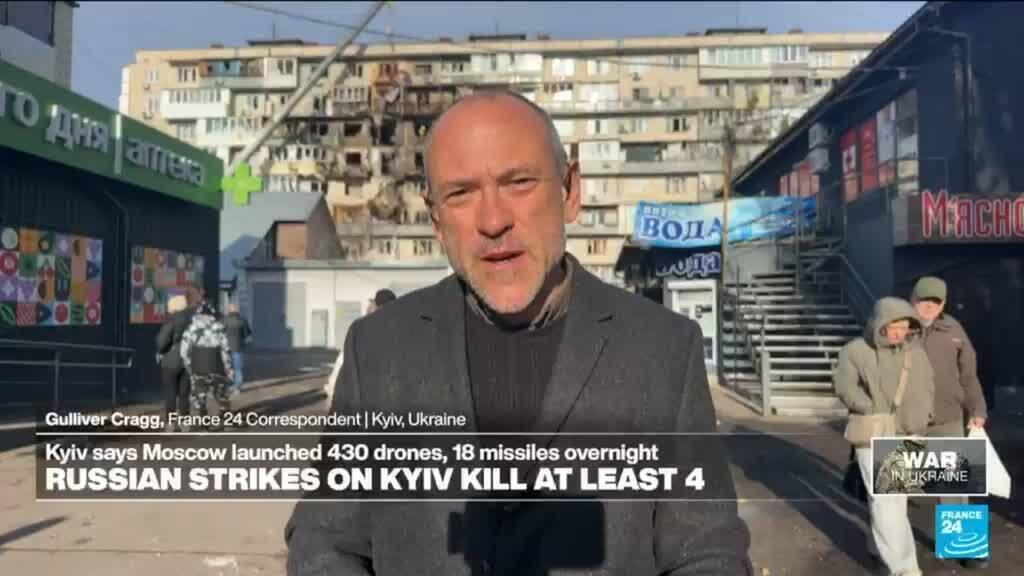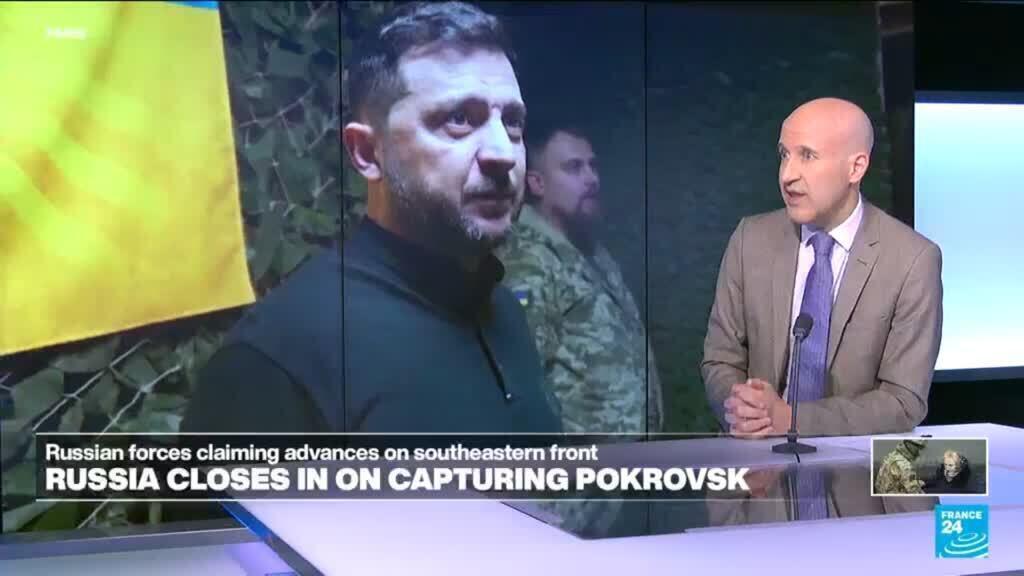
Douglas Herbert, France 24's international affairs editor, provides an insightful analysis of current geopolitical dynamics, focusing on the implications of recent international events. His commentary revolves around the intersection of global politics and local conflicts, especially how they affect regional stability and international relations.
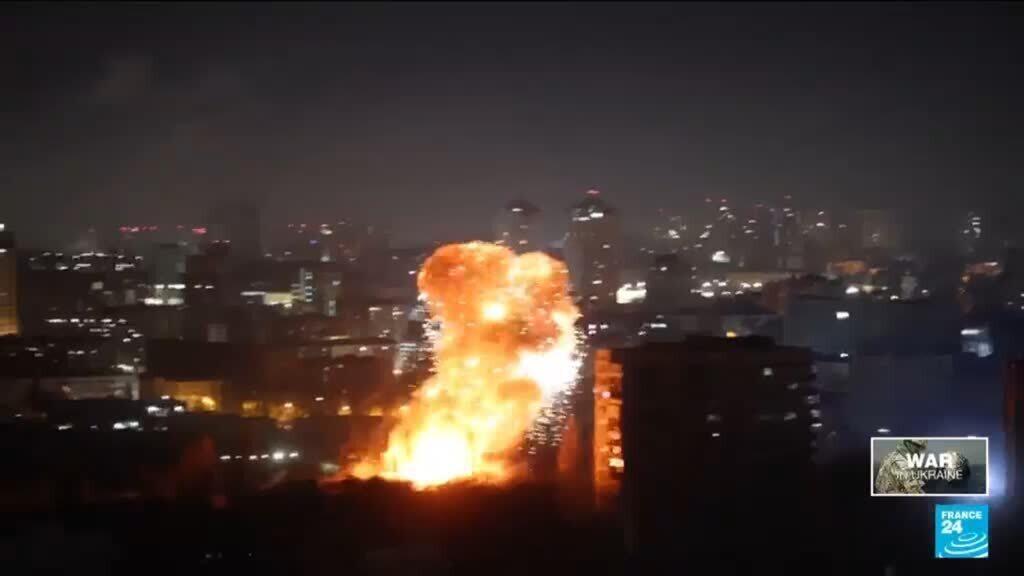
He begins by discussing the escalation of tensions in various hotspots around the world, emphasizing the ongoing conflicts in the Middle East and Eastern Europe. Herbert points out that the ongoing war in Ukraine has not only reshaped the European security landscape but also influenced global economic conditions. The conflict, which began in February 2022, has led to heightened military spending among NATO members and increased energy prices across Europe.
Herbert notes that these developments have prompted a reevaluation of alliances and partnerships. Countries in Eastern Europe, particularly those bordering Russia, have sought greater integration with NATO and the European Union. He highlights the response of nations like Poland and the Baltic states, which have bolstered their defense capabilities in response to perceived threats from the Kremlin. This shift represents a significant change in post-Cold War security paradigms, altering decades of strategic calculations.
Moreover, Herbert sheds light on the ramifications of the conflict for global energy markets. The war has exacerbated energy shortages, particularly in Europe, where countries have rushed to find alternatives to Russian fossil fuels. The European Union's goal to reduce dependency on Russian energy sources has led to an increase in investments in renewable energy and a push for greater energy diversification. However, these transitions are not without challenges, as countries strive to balance energy security with climate commitments.
In addition to energy concerns, Herbert delves into the implications of global supply chain disruptions resulting from the ongoing conflicts. The COVID-19 pandemic had already highlighted vulnerabilities in supply chains, and the war in Ukraine has further complicated matters. He points out that shortages of critical materials, particularly grain and metals, have sparked inflationary pressures worldwide, affecting food security in numerous developing nations.
As Herbert examines the global response to these crises, he highlights the role of international organizations and diplomatic efforts aimed at conflict resolution. He notes that the United Nations has struggled to facilitate dialogue between warring parties, often facing obstacles from powerful member states with conflicting agendas. The effectiveness of diplomatic initiatives is increasingly questioned, particularly as geopolitical rivalries intensify.
Herbert also casts a critical eye on the United States' foreign policy in the current global landscape. He argues that while the Biden administration has taken a firm stance against Russian aggression, it faces its own challenges in rallying a unified international response. Domestic issues, such as political polarization and economic pressures, complicate America's ability to lead on the world stage effectively.
Lastly, Herbert emphasizes the need for a coherent strategy that addresses both immediate security concerns and longer-term global challenges, such as climate change and economic inequality. He argues that without addressing these underlying issues, the cycle of conflict and instability is likely to continue, undermining efforts for peace and progress.
In summary, Herbert's analysis underscores the interconnectedness of global events and the necessity for comprehensive solutions to the challenges faced by the international community. The shifting geopolitical landscape requires not only military preparedness but also cooperative approaches to diplomacy, economic resilience, and environmental sustainability.
```