Details of US-Led Plan to End War in Ukraine Revealed
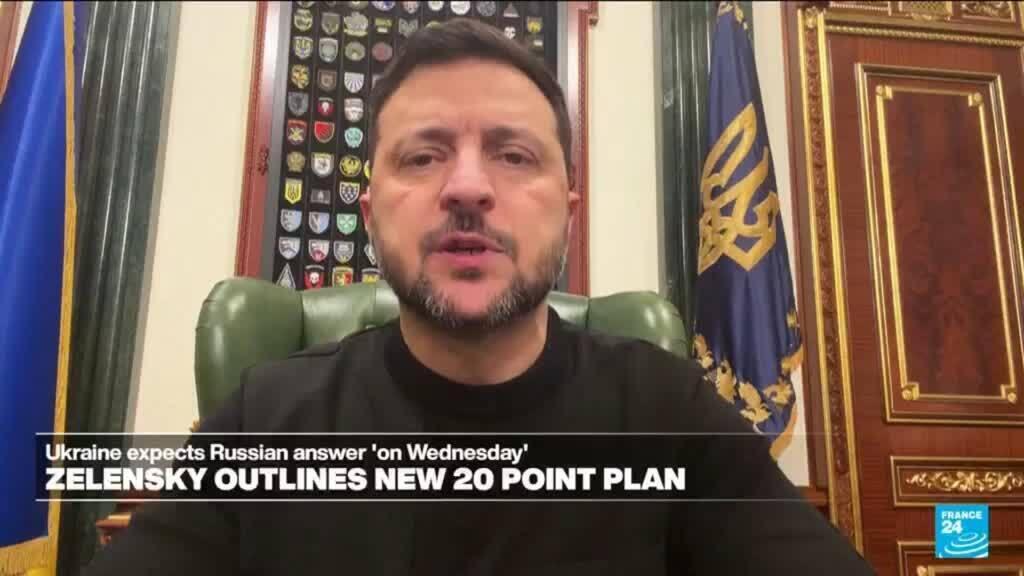
Ukrainian President Volodymyr Zelensky has disclosed critical information regarding a recent plan orchestrated by the United States aimed at concluding the ongoing conflict in Ukraine. This comprehensive strategy has reportedly been developed collaboratively between negotiators from Kyiv and Washington, subsequently shared with Moscow for their input and reactions.
The announcement marks a significant step in the diplomacy surrounding the war, which has been raging since Russia's invasion of Ukraine in February 2022. The ongoing conflict has caused extensive human suffering, massive displacement of populations, and significant geopolitical tensions not only in Europe but across the globe. As the situation continues to evolve, this diplomatic endeavor signals a potential shift towards finding a resolution to the hostilities.
Zelensky emphasized that the negotiation process underscored the commitment between Ukraine and the United States to address the issues head-on. The joint initiative reflects the importance of ongoing international support for Ukraine, particularly from key allies such as the U.S. This collaboration is seen as essential to bolster Ukraine’s position on the negotiating table, especially as it contends with the heavy toll of warfare.
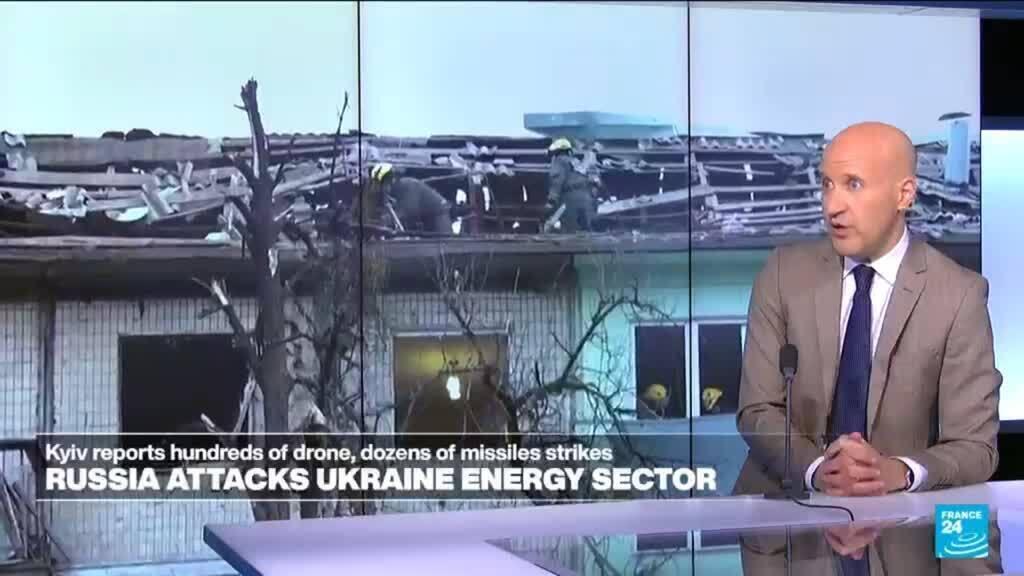
Stefan Wolff, a professor of international security at the University of Birmingham, has provided an analysis of the situation, indicating that the geopolitical landscape surrounding the conflict has shifted, necessitating new approaches to peace negotiations. His insights hint at the complexity of the talks and the imperative for a multifaceted solution that takes into account the various interests of the involved parties.
The plan, which is still in its formative stages, is not only about immediate cessation of hostilities but also aims to address the underlying issues that have fueled the conflict. Key elements of the proposed negotiations may include security guarantees for Ukraine, discussions on territorial integrity, and potential compromises that could lead to a ceasefire. The hope is to create a framework that satisfies both Ukraine and Russia while ensuring broader regional stability.
Although details of Moscow's feedback have yet to be disclosed, it is expected that any response will be closely scrutinized by both Kyiv and Western nations. The capacity of Russia to engage constructively in these discussions remains uncertain, given its historical stance on territorial claims and security concerns. Analysts are watching for potential indicators that could either facilitate or hinder progress in the talks.
Throughout the conflict, the role of external actors, particularly the United States, has become increasingly pivotal. The U.S. has provided military and economic support to Ukraine, which has been instrumental in its defense against Russian aggression. This backing not only underscores the U.S. commitment to Ukraine’s sovereignty but also impacts the dynamics of international diplomacy concerning the war.
The success or failure of this U.S.-led initiative will have enduring implications for Ukraine, Russia, and the global order. As negotiations unfold, the leadership shown by both Zelensky and U.S. officials will be critical in influencing the eventual outcome. Observers continue to debate the likelihood of a fruitful dialogue, given the deep-seated animosities and divergent priorities that still exist between the warring parties.
In summary, while the plan represents a hopeful development in the long-standing conflict, the path to lasting peace remains fraught with challenges. The international community awaits Russia's response, which could either pave the way for dialogue or exacerbate tensions further. As the situation continues to evolve, all eyes will be on the next moves of both Ukraine and its allies in this complex geopolitical landscape.