In South Africa, at least 41 young men have tragically lost their lives as a result of circumcision procedures during traditional initiation activities that took place in November and December. This alarming statistic was reported by local authorities, highlighting ongoing issues surrounding these cultural practices.
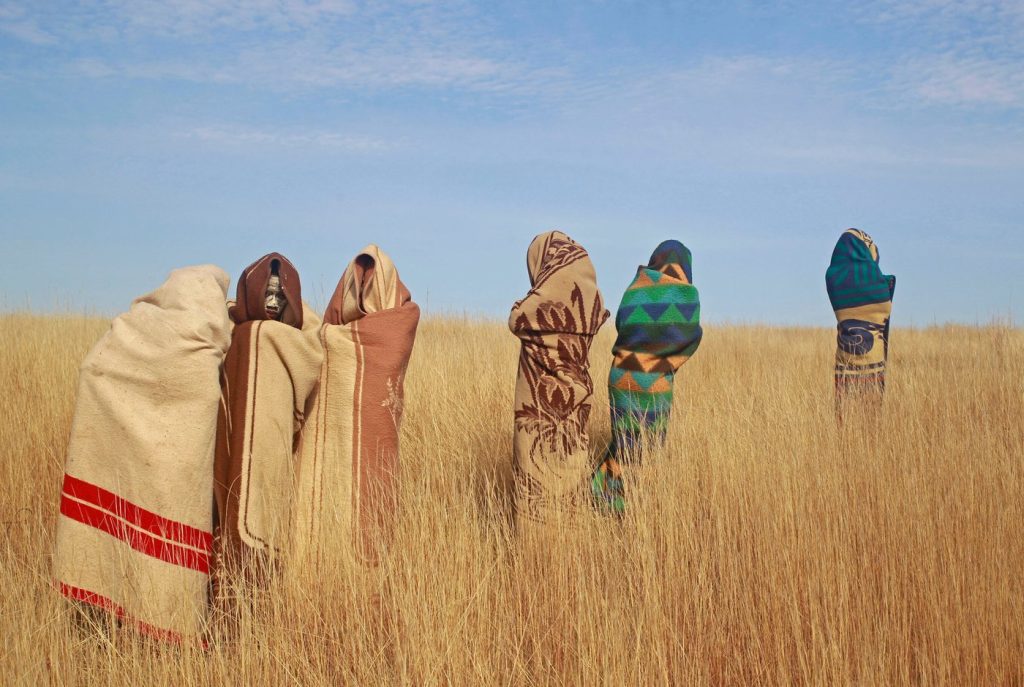
Traditional initiation serves as a significant rite of passage into manhood for young males and is an annual practice among various ethnic groups in Africa, including communities such as the Xhosa, Ndebele, Sotho, and Venda. During the initiation process, young men are isolated in initiation schools, where they are instructed in cultural values and adult responsibilities.
However, the circumcision aspect of these rituals has consistently led to fatalities among initiates, prompting governmental intervention through legislation aimed at regulating initiation schools. Despite laws requiring registration of these schools, there has been a persistence of illegal institutions where many of the deaths are reported to occur. This raises concerns about the effectiveness of current regulations in safeguarding the health and safety of participants.
Parents are typically responsible for financing their children's enrollment in these initiation schools, which can create a financial incentive to operate unregistered facilities. This has led to an ongoing challenge in ensuring the safety and health standards at these sites. Initiation periods often align with winter (June-July) and summer (November-December) school holidays, making them key times for such traditional practices.
On a recent occasion, South Africa’s Traditional Affairs Minister Velenkosini Hlabisa addressed local broadcasters to report the deaths of 41 initiates during this summer's ceremony. He attributed much of the blame to negligence by both initiation schools—registered and unregistered—as well as by parents who fail to adhere to established safety and medical guidelines.
Hlabisa pointed out an alarming practice where some initiates are advised to avoid drinking water to facilitate faster healing, which can lead to severe health complications. He emphasized that there is a lack of oversight from parents who do not monitor their children's experience at the initiation schools, which puts them at unnecessary risk.
The Eastern Cape province has been identified as a region particularly affected by these fatalities, accounting for 21 of the reported deaths. In reaction to this issue, authorities have arrested 41 individuals connected to illegal initiation schools, including parents who provided false information regarding their children’s ages to facilitate admission. Under South African law, only children aged 16 and above may be admitted to an initiation school, provided they have parental consent.
Despite the tragic outcomes, traditional initiation remains a widely practiced custom within various African communities, culminating in cultural celebrations to mark the return of the initiates to their families and communities. However, these celebrations are now shadowed by the urgent need for reform and stricter enforcement of safety measures to protect young men during this significant cultural rite.