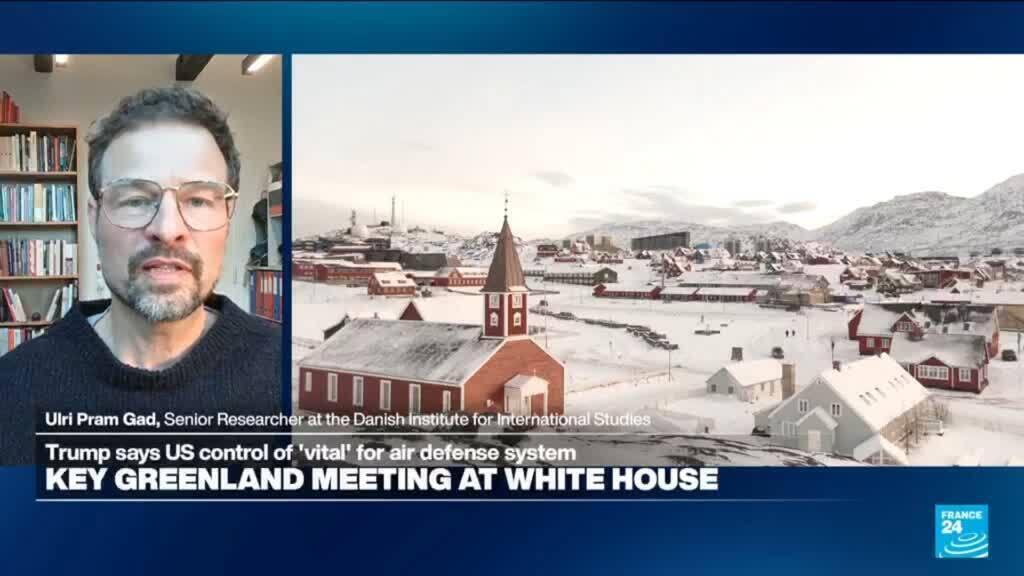
On January 14, the eyes of the world were focused on Nuuk during a crucial meeting involving U.S., Danish, and Greenlandic officials at the White House. This meeting was convened to address the controversial intentions of U.S. President Donald Trump, who had previously expressed a desire to acquire the territory of Greenland, an autonomous territory within the Kingdom of Denmark. This announcement had caused a ripple of concern in both Denmark and Greenland, stirring discussions about national sovereignty, strategic military positioning, and economic interests in the Arctic region.
Following the meeting, Greenland's Deputy Prime Minister made an announcement indicating that NATO troops would be arriving in Greenland for training exercises "in the coming days." This move is notable in the context of heightened global tensions and the increasing militarization of the Arctic region. The presence of NATO troops underscores the strategic importance that Greenland holds for both the United States and its allies, as the Arctic becomes a focal point of geopolitical competition.
Greenland has historically been a point of interest for the U.S., dating back to World War II when the U.S. established military bases on the island. Its geographical location makes it a crucial asset for military logistics and monitoring in the Arctic. In recent years, as climate change continues to open up new shipping routes and access to natural resources, the geopolitical significance of Greenland has only intensified. The discussions at the White House were the latest in a series of diplomatic engagements aimed at safeguarding national interests in this rapidly evolving landscape.
The announcement by Greenland's Deputy Prime Minister indicates that the arrival of NATO troops may serve multiple purposes: to enhance defense capabilities in the region, to strengthen ties between NATO allies, and to send a message about international collaboration in Arctic security. This aligns with NATO’s broader strategy of deterrence in face of potential adversarial actions in the Arctic.
Moreover, part of the discussions at the meeting in Nuuk likely revolved around Greenland’s own aspirations for increased autonomy and self-determination. While the territory has been under Danish governance, there is a growing sentiment among Greenlanders for greater control over their natural resources and economic future. The potential implications of U.S. interest in Greenland could further complicate local political dynamics, as Greenland navigates its relationship with both Denmark and external powers.
The backdrop of U.S.-Danish relations is complex, fueled by a blend of historical ties and modern-day issues such as security and economic opportunities. The nuance of these relationships is crucial, particularly in light of Denmark’s responsibility toward Greenland as an autonomous territory. As international attention turns to the Arctic, the decisions made by leaders during high-stakes meetings like that on January 14 will play a vital role in shaping the future of Greenland, its people, and the broader geopolitical landscape.
In summary, the meeting on January 14 signifies a critical moment in the ongoing discourse surrounding Greenland's future, highlighting U.S. interests in the region while also addressing the strategic military considerations posed by NATO's involvement. The imminent arrival of NATO troops, as announced by Greenland's Deputy Prime Minister, is a clear reflection of the heightened focus on security and defense in the Arctic, an area that continues to garner global attention due to its emerging significance in international relations.