SANTA FE, N.M. (AP) — In response to concerns about federal immigration officers potentially patrolling polling locations during the upcoming midterm elections, Democratic-led states are implementing measures aimed at preventing what they view as voter intimidation tactics. New Mexico has emerged as the first state to enact legislation barring armed federal agents from polling sites, a move sparked by the Trump administration's aggressive immigration policies and combative rhetoric surrounding election integrity.
This legislative action reflects a growing apprehension in Democratic-controlled states, which have felt targeted by the Trump administration through policies that are perceived as punitive, including military deployments and substantial cuts in federal funding. Tensions escalated following Trump's suggestion to nationalize U.S. elections, despite the Constitution designating the states as the governing authority over elections.
The Trump administration has publicly denied any intentions of deploying immigration officers to polling places, with Department of Homeland Security officials assuring Congress that immigration agents will not be present at the polls. However, a coalition of eight state secretaries is requesting formal confirmation from Markwayne Mullin, Trump's new nominee for Secretary of Homeland Security, to guarantee that ICE will not be active at polling sites during the 2026 election cycle.
Existing federal law prohibits the use of armed federal forces at polling locations unless to defend against armed enemies, yet Democratic lawmakers remain concerned about the potential for federal intervention. Connecticut Democratic state Representative Matt Blumenthal, who co-authored a bill establishing a buffer zone around polling sites, expressed fears that the Trump administration might exploit national emergencies to disrupt elections and intimidate voters.
Across various Democratic-led states, similar legislation is under consideration to restrict federal immigration officials from polling sites. Virginia, for example, is contemplating restrictions that would limit federal agents' ability to arrest individuals near polling locations, although specific provisions regarding voting sites are still being negotiated.
The newly enacted New Mexico law prohibits any armed personnel from federal, military, or naval services at polling places and within 50 feet of monitored ballot boxes during early voting. It empowers individuals who encounter intimidation from federal agents or military personnel at the polls to file civil lawsuits in state courts, with penalties for violations reaching up to $50,000.
Moreover, the law reinforces state voting qualifications and election procedures against potential federal challenges, particularly against Trump's push for stricter proof-of-citizenship requirements in nationwide elections. However, state measures opposing federal election laws may face legal challenges due to the supremacy clause of the U.S. Constitution, which dictates that federal law trumps state law.
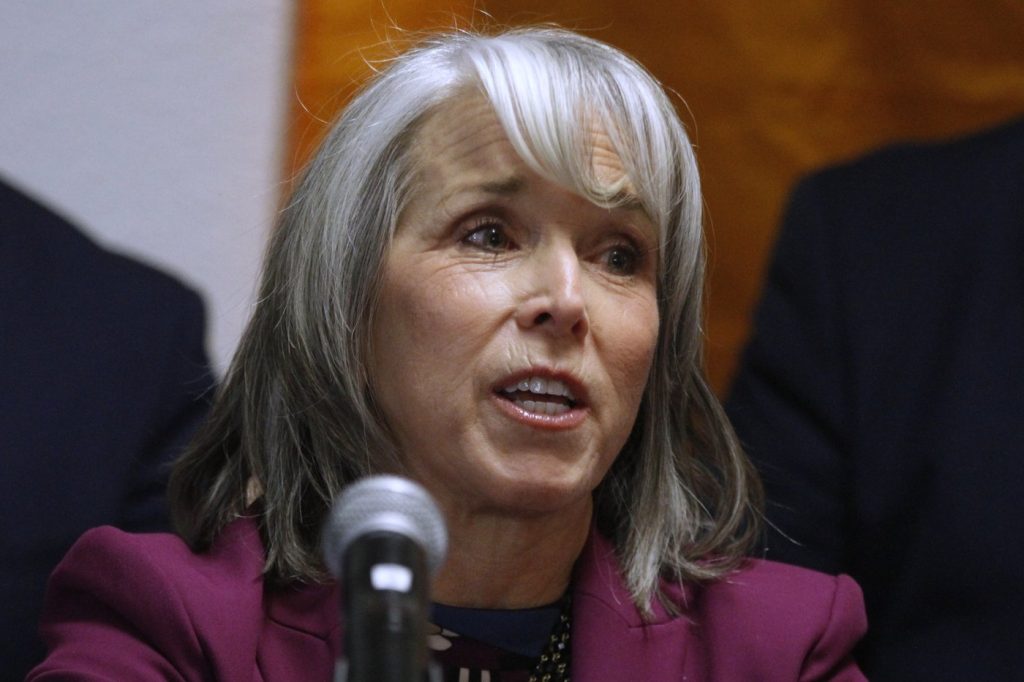
New Mexico Governor Michelle Lujan Grisham articulated her skepticism towards the Trump administration's election oversight, stemming from ongoing efforts by the Department of Justice for extensive state voter data and the persistent unsubstantiated claims of electoral fraud made by Trump. "We will hold free and fair elections, and New Mexicans will be safe in every ballot location," Lujan Grisham emphasized, underlining the state's commitment to safeguarding elections.
New Mexico Republicans expressed unanimous opposition to the bill, questioning the necessity of such measures as deliberate provocation against the Trump administration. However, proponent and state Senator Katy Duhigg defended the legislation, asserting a need for tools that could protect against any form of federal election interference.
Connecticut is also advancing similar proposals, with a bill intended to address federal attempts to seize ballots or other election materials, requiring notification for state officials in such events. Representative Blumenthal noted that while state lawmakers could not outright prevent federal seizures, they may have avenues through state legal channels to challenge them.