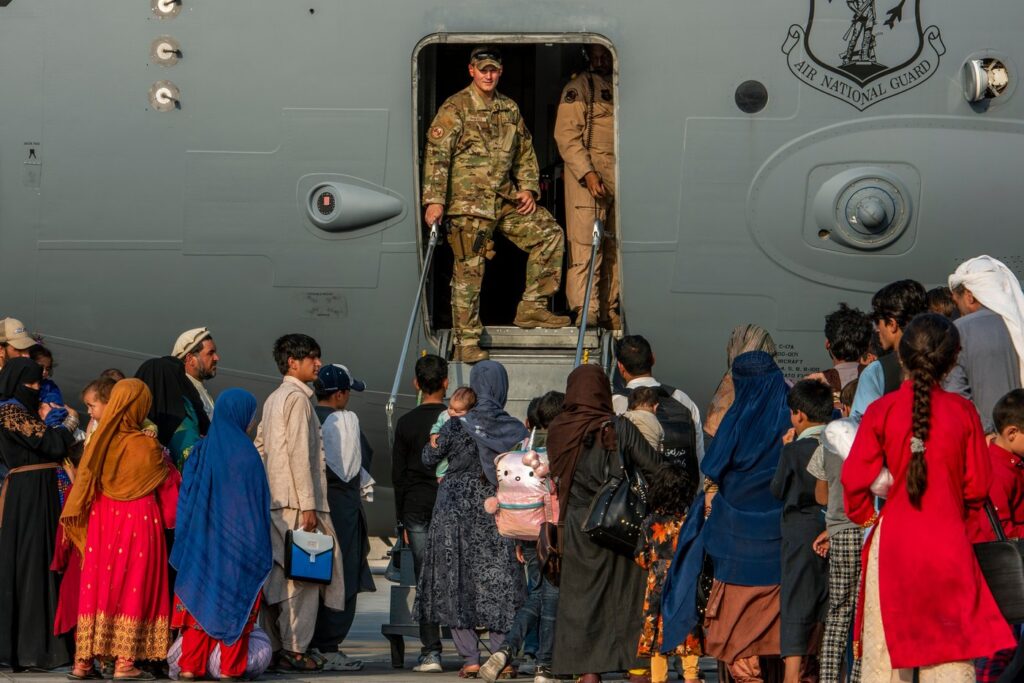
KABUL, Afghanistan - Afghanistan's foreign ministry has announced that Afghans who assisted the U.S. during its military operations can safely return to Afghanistan after being in limbo in Qatar. This announcement comes as discussions between U.S. officials and the Democratic Republic of Congo emerge, regarding the potential relocation of 1,100 Afghan refugees who worked alongside the U.S. and the families of U.S. service members. The refugees have been residing at Camp As-Sayliyah, a U.S. base in Doha, for over a year.
Foreign ministry spokesman Abdul Qahar Balkhi issued the statement, urging all Afghans to return home with "full confidence and peace of mind." He emphasized that Afghanistan is the shared homeland of all its citizens and that there are no security threats preventing them from coming back. The U.S. State Department is still exploring options for "voluntary" resettlement of the refugees in a third country but has not confirmed specific nations involved in these discussions.
Despite the Afghan government's reassurances, organizations such as #AfghanEvac have raised alarms over the potential dangers awaiting those returning to Afghanistan. Since the Taliban regained control of the country in 2021, many who supported U.S. efforts fear retaliation, including death, for their past affiliations. Balkhi's remarks suggest that the Afghan government believes returning home poses no security risks, but the reality for these refugees is starkly different.
The group known as #AfghanEvac expressed deep concern regarding their situation, highlighting that they had learned about the potential relocation talks from news outlets rather than U.S. officials. Many of the refugees are struggling mentally due to the prolonged uncertainty, with reports of severe depression among those living in the camp. They have explicitly rejected the option of relocating to the Democratic Republic of Congo, citing ongoing conflict there, and underscored their refusal to expose their children to further war.
Other reports indicate that the relocation discussions first surfaced in the context of President Donald Trump pausing an Afghan resettlement program shortly before his term ended, exacerbating the plight of thousands of refugees who had successfully completed the vetting process to begin new lives in the United States. The situation has left many Afghans stranded worldwide, particularly at military bases like the one in Qatar.
In their statement, the refugees articulated their fears of returning home, asserting that the Taliban is likely to carry out reprisals against them for their cooperation with the U.S. They remarked, "This is not a fear. This is a fact," emphasizing that the U.S. is aware of the risks involved in their return.
As discussions continue, the future remains uncertain for these vulnerable individuals stuck in a limbo, caught between the promises of safety from both the U.S. and their own government, and the grim reality of their circumstances. The complexities surrounding their potential relocation underscore the dire need for a coherent and compassionate response to the humanitarian crisis facing those who assisted the U.S. in Afghanistan.