TORONTO — A Toronto man who has been living with HIV for 27 years is reportedly in remission and possibly cured, according to his medical team, following a bone marrow transplant from a donor naturally resistant to the virus. If the patient, now 36, remains in remission for approximately two and a half years, he will join the ranks of ten individuals worldwide currently considered cured of HIV.
The patient was diagnosed with an aggressive form of leukemia in November 2021, leading to the necessity of a bone marrow transplant. The medical team at the University Health Network, in collaboration with Unity Health Toronto and the University of Toronto, recognized an opportunity to address both his leukemia and HIV simultaneously. This dual approach mirrors the groundbreaking case in Berlin in 2007, where the first successful curing of HIV occurred through a similar transplant from a genetically resistant donor.
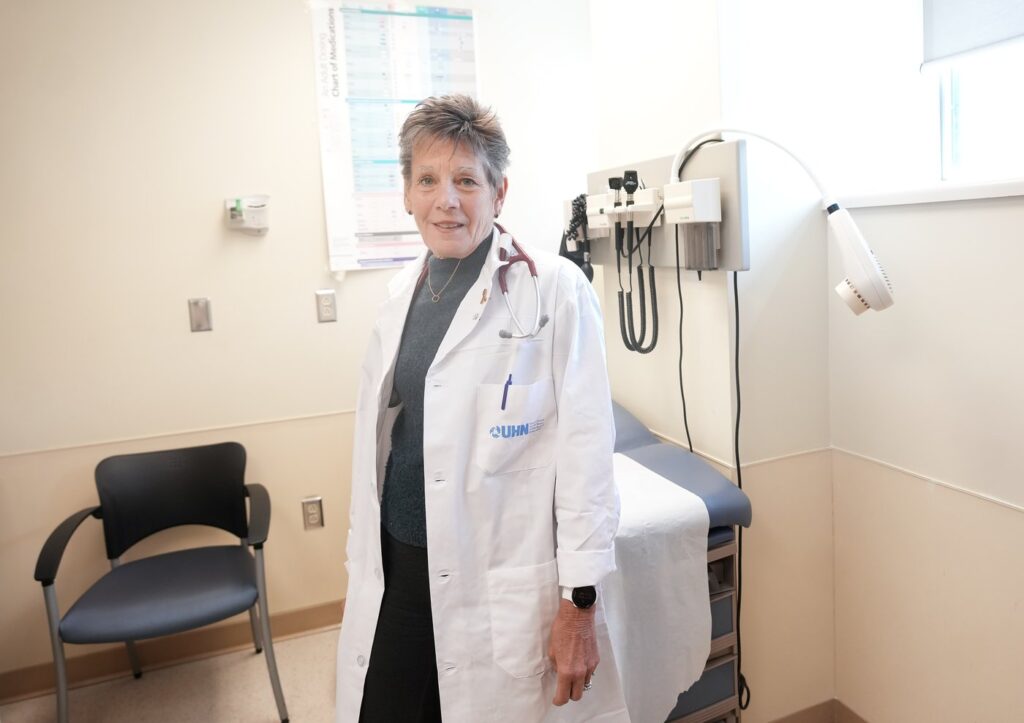
Dr. Sharon Walmsley, director of the HIV Clinic at Toronto General Hospital and the patient’s doctor since his HIV diagnosis and subsequent aggressive lymphoma in 1999, expressed cautious optimism about the patient’s condition. “We feel pretty confident that it’s gone, but it’s hard for us to say for absolute sure right now that he is cured,” she remarked. Her sentiments underscore the challenges of definitively declaring a cure in cases of HIV, even after significant advancements.
The road to remission began in July 2020 when Dr. Walmsley detected abnormal blood counts during a routine test. Following a visit to the Princess Margaret Cancer Centre, an oncologist diagnosed the patient with acute myelogenous leukemia, necessitating a bone marrow transplant. The search commenced to identify a bone marrow match that also possessed a CCR5 gene mutation, which confers resistance to HIV. Approximately one percent of the global population, predominantly of Northern European descent, lack this gene, effectively preventing the virus from entering immune cells.
The transplant occurred in March 2021 at Princess Margaret Cancer Centre, although the patient faced various complications post-procedure, including pneumonia—an expected outcome after such a major adjustment to one's immune system. Dr. Mario Ostrowski, a clinician-scientist at St. Michael’s Hospital and co-leader of the case, took meticulous samples of the patient’s cells to monitor the presence of the virus. Once HIV became undetectable and the patient was clinically stable, the medical team made the groundbreaking decision to halt his anti-HIV therapy (ART) in July 2025, marking the first time in nearly 30 years that he was free of ART.
The need for a cure for HIV remains pressing, despite many people living with the virus leading near-normal lives while adhering to ART. Dr. Walmsley explained that even with well-controlled HIV, individuals may face increased risks of comorbidities such as heart disease, lung disorders, and kidney problems. Additionally, the stigma surrounding HIV persists, making the search for a cure imperative. Dr. Ostrowski illustrated this stigma by comparing the treatment regimens of HIV patients and those with diabetes, revealing that most people would choose diabetes over being HIV positive—reflecting the profound societal biases attached to HIV.
While acknowledging that bone marrow transplants are not a feasible standard treatment for HIV due to their medical risks, complexity, and costs, clinicians like Ostrowski aim to glean insights from these cases to advance HIV research. He emphasized the necessity for a standardized transplant program across Canada to better identify matches for HIV patients, noting that it is likely similar cases will arise in the future.