At the height of the crackdown, masked immigration officers were frequently seen in the streets of Minneapolis. This aggressive enforcement strategy led to thousands of arrests each week in states like Texas, Florida, and California. Top Border Patrol commander Gregory Bovino referred to the approach as "turn and burn," emphasizing relentless operations that targeted various locations including restaurant kitchens and bus stops.
In December, arrests by Immigration and Customs Enforcement (ICE) peaked at nearly 40,000 nationwide, with similar levels recorded in January. This data was analyzed in connection with the Deportation Data Project from UC Berkeley. However, the situation escalated with two high-profile American citizen killings by immigration officers in Minneapolis in late January, leading to public outcry against the government's heavy-handed enforcement tactics. Subsequently, a shake-up of top immigration officials occurred, and ICE arrests across the U.S. saw an approximate average decline of 12% in the weeks that followed.
Polling indicated that the general sentiment among the public was that the immigration enforcement operation in Minnesota was excessive. This backlash likely contributed to the abrupt dismissal of Homeland Security Secretary Kristi Noem in early March. As a result of these developments, immigration officials observed varied patterns in arrest statistics across different states. Although nationwide weekly arrests decreased, they surged in states such as Kentucky, Indiana, North Carolina, and Florida, where numbers hit their highest levels since the onset of Trump’s second term. For instance, Kentucky saw its weekly arrests more than double, reaching 86 by early March.
Despite the administration's narratives about targeting the "worst of the worst" among undocumented immigrants, the reality has shown a more complicated picture. While some high-profile criminals were apprehended, a significant proportion of those arrested had no prior criminal records. Nationally, 46% of individuals detained by ICE in the five weeks leading up to February 4 had no criminal charges or convictions, a figure that decreased to 41% shortly thereafter. However, this percentage remained above the 35% weekly average observed since Trump began his second term. In several states, the share of noncriminals arrested even increased post-February 4.
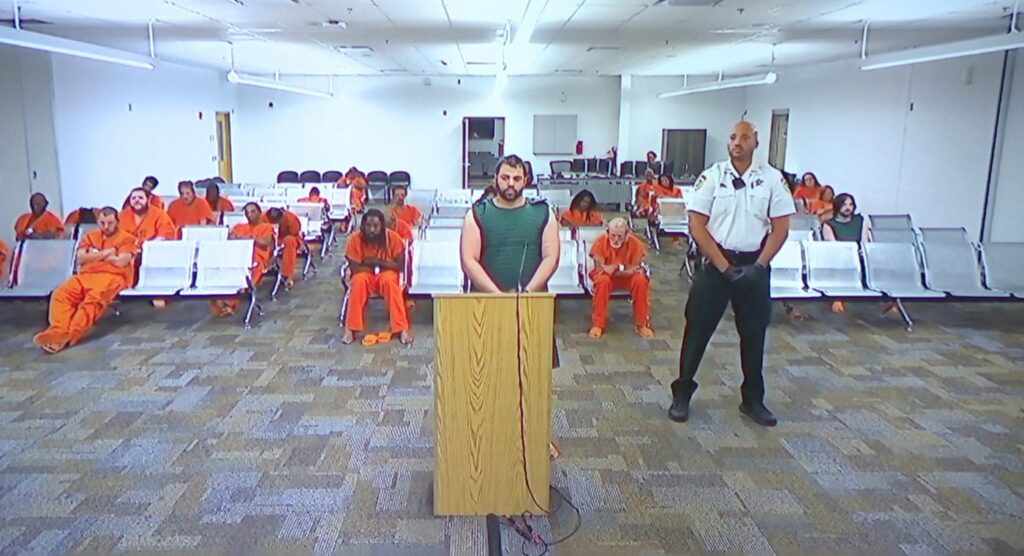
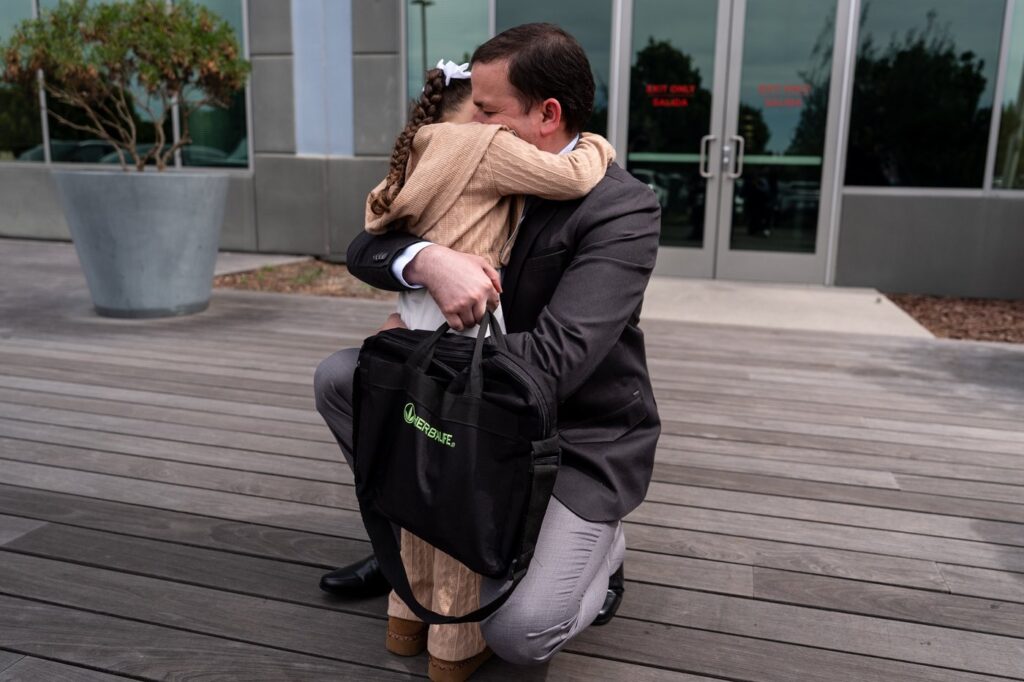
A clear change in tactics appears to be underway, as thousands of federal court documents reveal that immigration enforcement continues aggressively, despite overall activities diminishing. One example includes a Honduran man with no criminal history, who was detained during a traffic stop in San Diego and is now petitioning for release. Another case involves a 33-year-old Venezuelan doctor, who was apprehended with her U.S. citizen daughter while en route to her husband’s asylum hearing, primarily due to overstaying her visa.
Aaron Reichlin-Melnick, a senior fellow at the American Immigration Council, has noted some indicators of reduction in arrest and detention figures. However, he cautions against premature conclusions regarding the permanence of these changes. The Trump administration continues to assert that their immigration enforcement measures have not diminished, but it is evident that there has been a retreat from certain aggressive tactics employed during the Operation Metro Surge crackdown in Minneapolis.