British Columbia (B.C.) is considering the adoption of an official ticket resale cap, similar to the recent legislation passed in Ontario in March. This potential change has garnered attention, particularly with varying opinions from experts regarding its effectiveness and implications.
Thomas Davidoff, an associate professor at the Sauder School of Business at the University of British Columbia, has expressed skepticism about the benefits of such a policy. He cautions that it could inadvertently shift ticket sales into unregulated markets, where transactions may lack oversight and protection. "If you cannot sell to the highest bidder legally, you will find a black-market way to do so," Davidoff stated in an interview with 1130 NewsRadio. This shift, he argues, could lead to decreased trust in transactions, resulting in lower revenue for sellers and insufficient protection for buyers.
Davidoff further contends that although cracking down on ticket flipping may be politically advantageous, the effect of Ontario's law could lead to an increase in original ticket prices. He emphasizes the emotional consequences that could arise from these regulations, particularly for families purchasing tickets for events. "What a sad thing it would be for a parent to splurge on a ticket for their daughter only for her to get turned away at the gate," he lamented, highlighting the potential distress caused by such restrictions.
In Davidoff's view, resale marketplaces play a crucial role in ensuring that tickets find their way to those who value them the most, allowing for a natural pricing mechanism based on demand. He does not oppose the practice of reselling or scalping tickets as a legitimate market activity. While some may perceive this as undesirable, he believes it is essential for tickets to ultimately reside in the hands of those who place the highest value on them.
The Ontario government, as part of its budget bill, has implemented a law that makes it illegal to resell tickets at prices exceeding the original all-in price paid. This move comes as a response to the growing concerns around professional resellers who utilize bots, bulk-buying methods, and automated systems to acquire tickets. These scalpers often relist tickets at exorbitant prices, which can reach hundreds or even thousands of dollars above the face value.
This legislative change coincides with the upcoming World Cup, scheduled to commence in June, where Toronto and Vancouver will share hosting responsibilities alongside cities in the U.S. and Mexico. In light of this event, ticket prices for World Cup matches have surged in recent weeks, selling for exorbitant amounts online. The potential for inflated resale prices has drawn criticism from the public, particularly in the context of previous high-profile events like the World Series and Taylor Swift’s Eras tour.
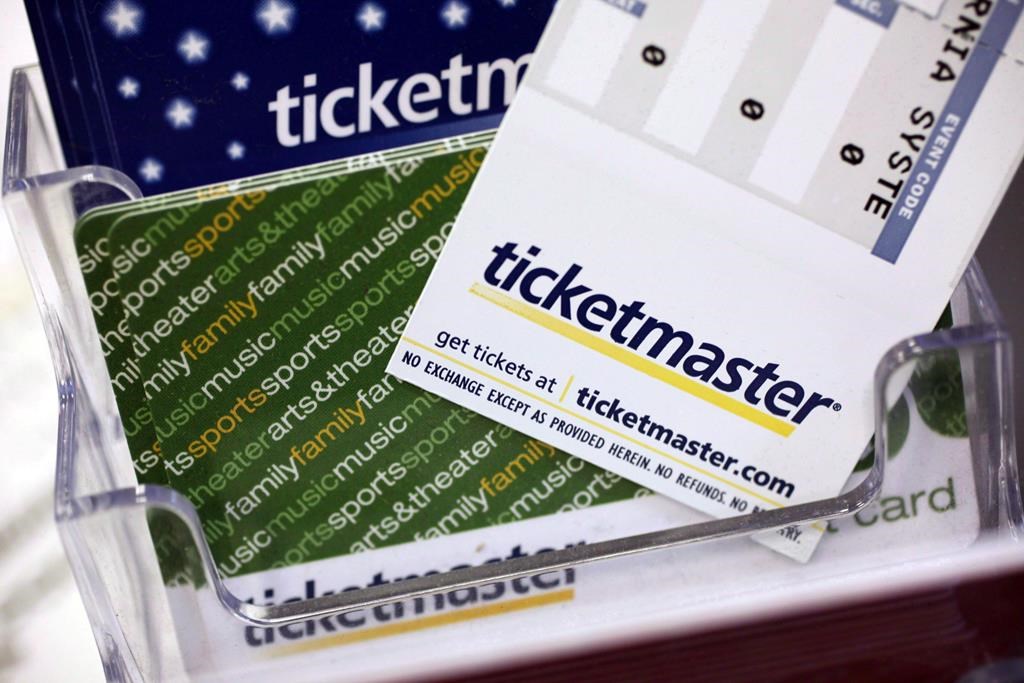
As Ontario's new regulations have prompted Ticketmaster Canada to delist several resale tickets, StubHub has indicated its compliance but has requested further clarification regarding the lack of explicit guidelines under the new law. The implications of such legislation could reshape the ticket resale landscape, stirring ongoing debates about regulation, market dynamics, and consumer protection.