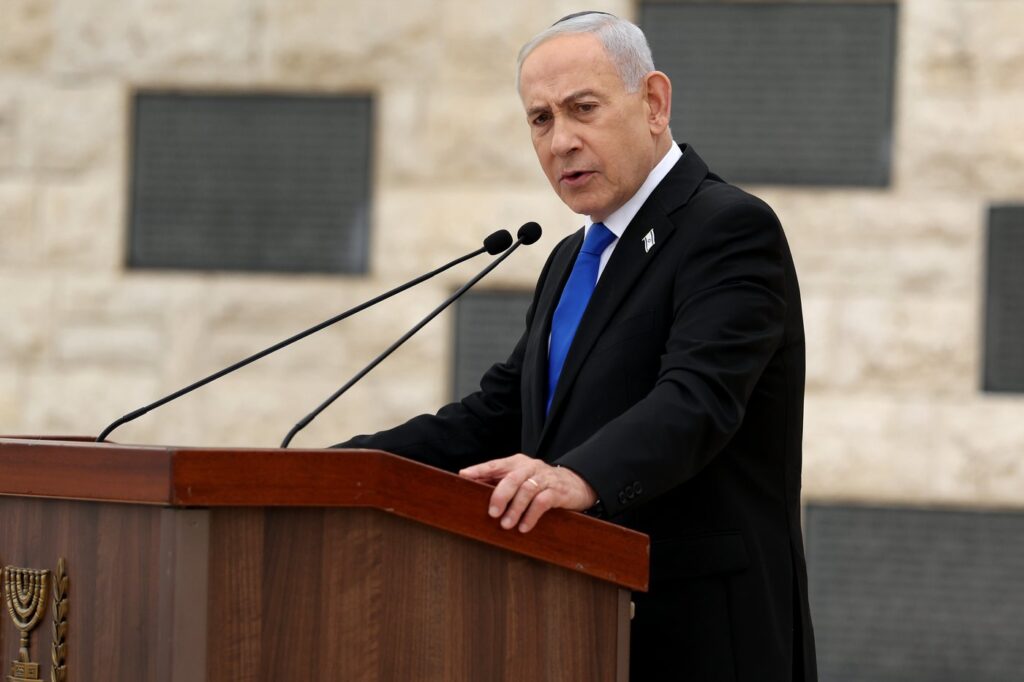
The Iranian government remains intact, and both Hezbollah and Hamas continue to pose threats in the region. With U.S. President Donald Trump's interests potentially diverging from those of Israel, Prime Minister Benjamin Netanyahu faces growing dissatisfaction over his wartime leadership as elections approach later this year.
Since the beginning of the U.S.-Israeli military campaign against Iran in late February 2023, Netanyahu has aimed to degrade Iran's military and eliminate its nuclear and ballistic missile programs. Although Iran's military has suffered significant damage, it remains a threat to its neighbors and to shipping in the Strait of Hormuz, leaving many of Netanyahu's objectives unfulfilled when a ceasefire was declared earlier this month.
Israel's latest conflict with Hezbollah in Lebanon also halted prematurely. Netanyahu claimed that he agreed to a truce at Trump's request, indicating that Israel's campaign against Hezbollah, an Iran-backed militant group, is not over, as forces are still occupying a 10-kilometer deep area of southern Lebanon.
In the midst of ongoing conflicts in Gaza and Lebanon, dissatisfaction among Israelis toward Netanyahu's government has intensified. A recent poll indicates that many Israelis believe the government has not succeeded in managing its military objectives effectively, particularly following a two-year ordeal of retaliatory campaigns against Hamas after its attack in October 2023.
Prominent military affairs commentator Yoav Limor noted that Israel has not achieved a decisive victory in any of its recent conflicts. Instead, the country appears to be making decisions driven by U.S. influence rather than its own. In contrast, Netanyahu has portrayed the war against Iran as a necessary preemptive measure that weakened an existential threat.
However, public trust in Netanyahu has plummeted since the Hamas incursion, despite some military achievements against both Hamas and Hezbollah. According to experts, the public's disappointment stems from the inconclusive nature of the conflicts, leaving many individuals feeling fatigued and frustrated.
Initially, a poll conducted during the Iran campaign showed strong support for Netanyahu's handling of the military operations, but a subsequent poll after a ceasefire revealed a notable drop in satisfaction regarding the government's war management. Many survey respondents felt that the military engagement against Hezbollah should continue despite the ceasefire.
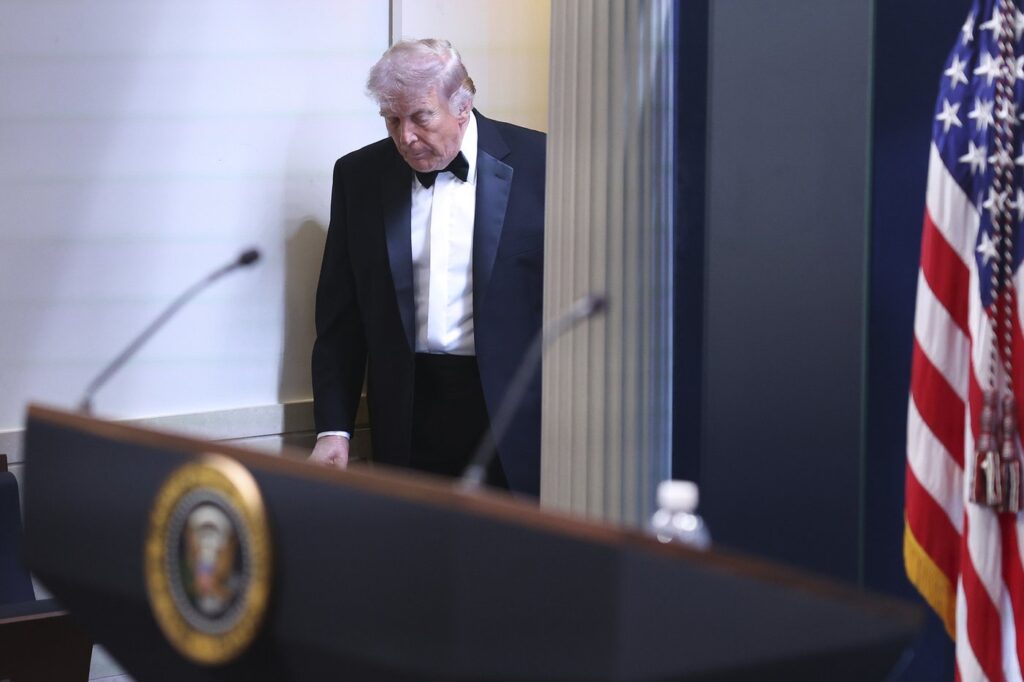
Post-ceasefire, Israelis have begun questioning the robustness of the relationship between Netanyahu and Trump, as well as between Israel and the U.S. Some analysts have pointed out that while Trump has publicly supported Israel, his interests do not always align with those of Netanyahu.
Netanyahu's office has declined to comment on the evolving dynamics, but an unnamed Israeli official indicated that the two leaders communicate daily. Furthermore, Netanyahu had planned to honor Trump with the Israel Prize, a significant award, but ultimately, Trump did not attend the ceremony in Jerusalem, prompting further speculation about their relationship.
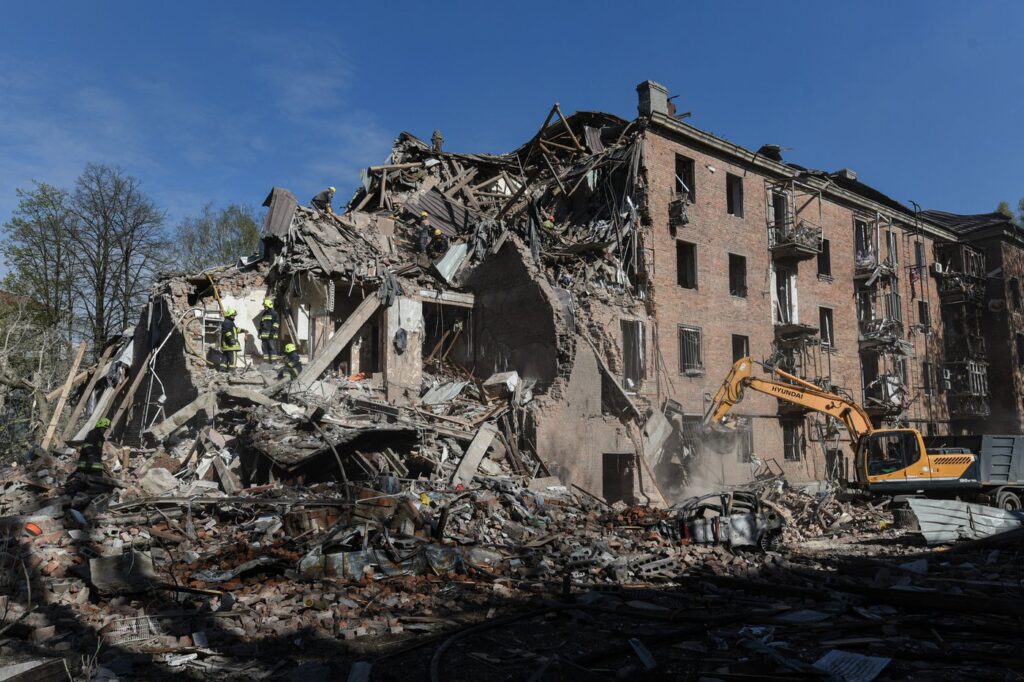
Residents in northern Israel, particularly near the border with Lebanon, have expressed palpable anger and fear due to the ongoing missile fire from Hezbollah. Many are dissatisfied with the ceasefire, viewing it as a mistake that fails to address their security concerns. Protests have erupted in these communities, with frustrations directed largely at Netanyahu.
As Netanyahu's government approaches the end of its four-year term, opposition forces are now collaborating for the upcoming elections, indicating a challenging path ahead for the Prime Minister. Political commentators warn that if Netanyahu cannot demonstrate significant security gains in the ongoing wars, he may face severe repercussions from voters concerned about fluctuating ceasefires and unresolved military challenges.