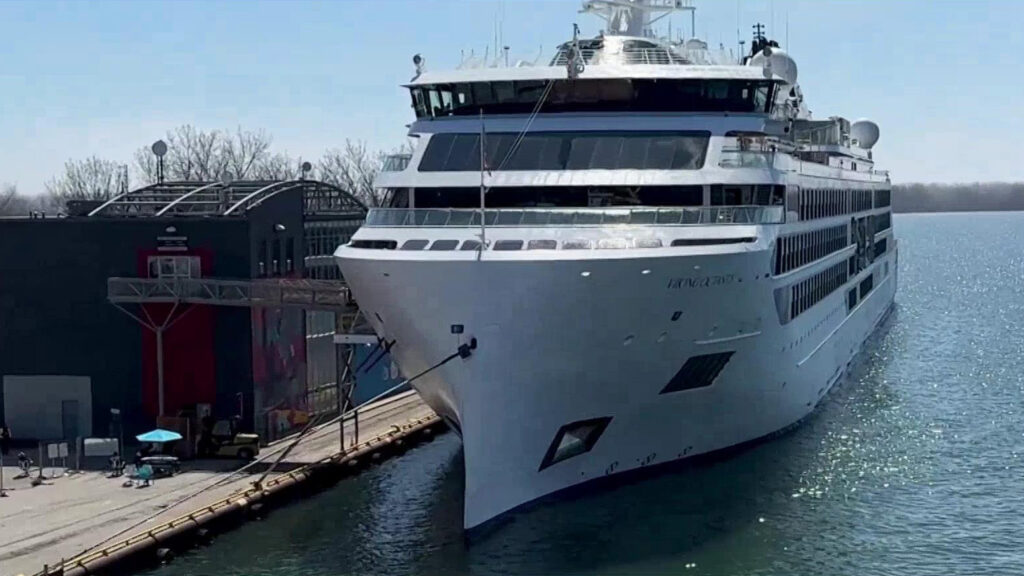
Lake Ontario may not be as vast as the ocean, yet cruise ship companies are increasingly targeting Toronto as a prime destination. The Great Lakes Cruise Association (GLCA) highlights that a long-standing legacy of sea freight travel across the Great Lakes has created a conducive environment for pleasure cruising over the past two decades. With proficient pilots familiar with ship navigation and the operational capabilities of the St. Lawrence Seaway authority that manages locks between the ocean and the Great Lakes, the potential for cruise industry growth is evident.
GLCA Executive Director Stephen Burnett emphasizes the area's well-established tourism infrastructure. He points out that this industry is bolstered by experienced personnel who understand the dynamics of moving ships. As such, the Great Lakes region is becoming an attractive option for cruise lines seeking new opportunities.
John Waggoner, CEO of Victory Cruise Lines, underscores the positive outcomes of his investments in Great Lakes routes. He envisions considerable growth in this segment. “We’re basically starting to scratch the surface of the market,” Waggoner asserts. He notes that achieving full capacity for his cruise line only requires around 7,000 guests for a season, which is a relatively small figure compared to the capacity of larger cruise vessels such as the Oasis of the Seas, which accommodates more guests in just one week.
Waggoner additionally expresses a desire for a cruise terminal to be established right in downtown Toronto. This sentiment is echoed by the Toronto Port Authority (TPA), which is actively exploring the feasibility of relocating the cruise ship terminal to a more central location. TPA CEO RJ Steenstra reassures that they are in the preliminary stages of this study to evaluate the viability of such a move.
Moreover, the momentum for growth in the cruising sector is gaining political support. James Maloney, the Member of Parliament for Etobicoke-Lakeshore, affirms that this represents a significant economic opportunity not only for Toronto but also for ports throughout the Great Lakes region. Maloney indicates that enhancing cruise-related infrastructure is firmly on the government’s agenda, suggesting a commitment to fostering this burgeoning industry.
While any significant infrastructure projects will inevitably take time to develop, the GLCA has indicated that the Great Lakes region holds the potential to accommodate growth of up to 110 percent without being hindered by current facilities. There is notable interest from multiple cruise lines, with up to eight seriously considering entering the Toronto market, which bodes well for the region's economic outlook.
In conclusion, the combination of tourist-friendly amenities, a supportive regulatory environment, and the increasing interest from cruise companies positions the Great Lakes region—especially Toronto—for substantial growth in the cruise tourism sector. The prospect of a downtown cruise terminal and robust political support augurs well for the future of cruising on Lake Ontario.