In a recent health alert, officials in British Columbia have announced the detection of invasive mosquito species and a concerning virus linked to childhood encephalitis cases in the Sea-to-Sky region, located north of Vancouver. This investigation was initiated following the identification of three pediatric encephalitis infections reported in August 2024.
Researchers from the BC Centre for Disease Control (BCCDC) began their examination between the areas of Squamish and Pemberton, where they discovered two mosquito species that tested positive for the California serogroup virus. This collection of mosquito-borne viruses is known to potentially cause serious health issues such as encephalitis and meningitis in humans.
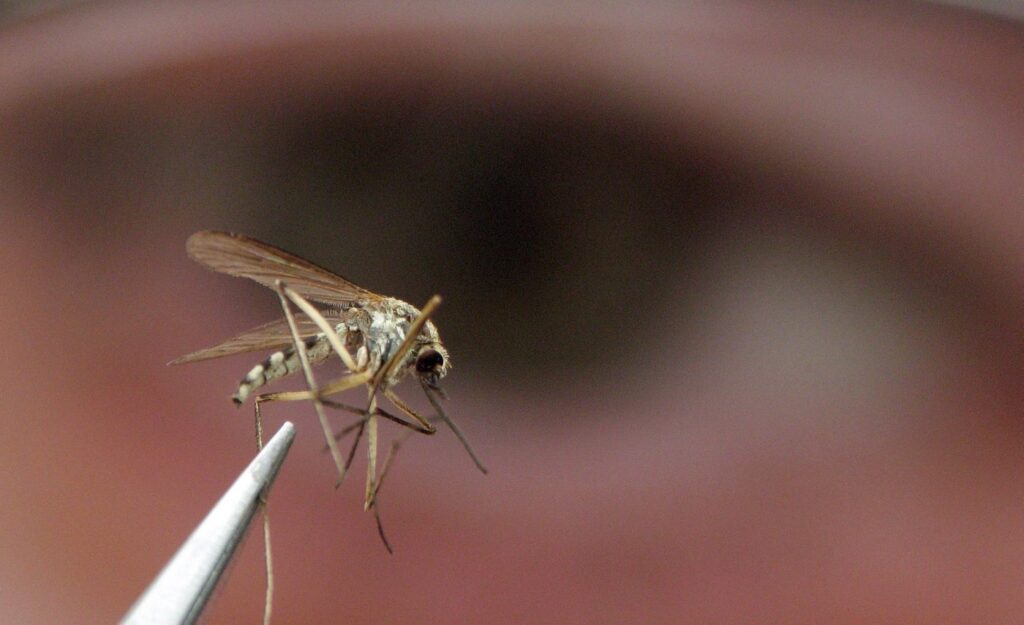
Among the detected mosquitoes carrying the virus was the northern house mosquito, a species native to regions in Africa, Asia, and Europe. A joint news release from the BCCDC, Vancouver Coastal Health, the University of British Columbia, and the Provincial Health Services Authority indicated that while the presence of the virus was confirmed, the detected levels were low, preventing the identification of the specific strain of California serogroup virus involved.
Stefan Iwasawa, a representative of the BCCDC, emphasized the importance of this research in shaping future responses to such infections. He stated, “With climate change causing temperatures to rise, we may see an increase in our exposure to mosquitoes.” Iwasawa highlighted that understanding the types of mosquito species likely to be encountered by residents in British Columbia, as well as the viruses they may carry, is crucial for advancing preparedness, prevention, and response strategies concerning California serogroup virus (CSGv) infections.
The report further noted that from 2009 to 2024, there were a total of 15 documented cases of the California serogroup virus in British Columbia, with no registered cases reported in the Sea-to-Sky corridor for the year 2025. Fortunately, health officials have assessed that the overall risk of serious illness resulting from the California serogroup virus remains low in the province.
This update serves as a reminder of the dynamic relationship between changing climates and public health, particularly regarding the potential spread of vector-borne diseases. Continuous monitoring and research are essential to mitigate health risks associated with invasive species and emerging viruses.
As this situation develops, health authorities will likely remain vigilant and proactive in their efforts to monitor mosquito populations and educate the public on preventative measures to reduce the risk of virus transmission in communities across British Columbia.