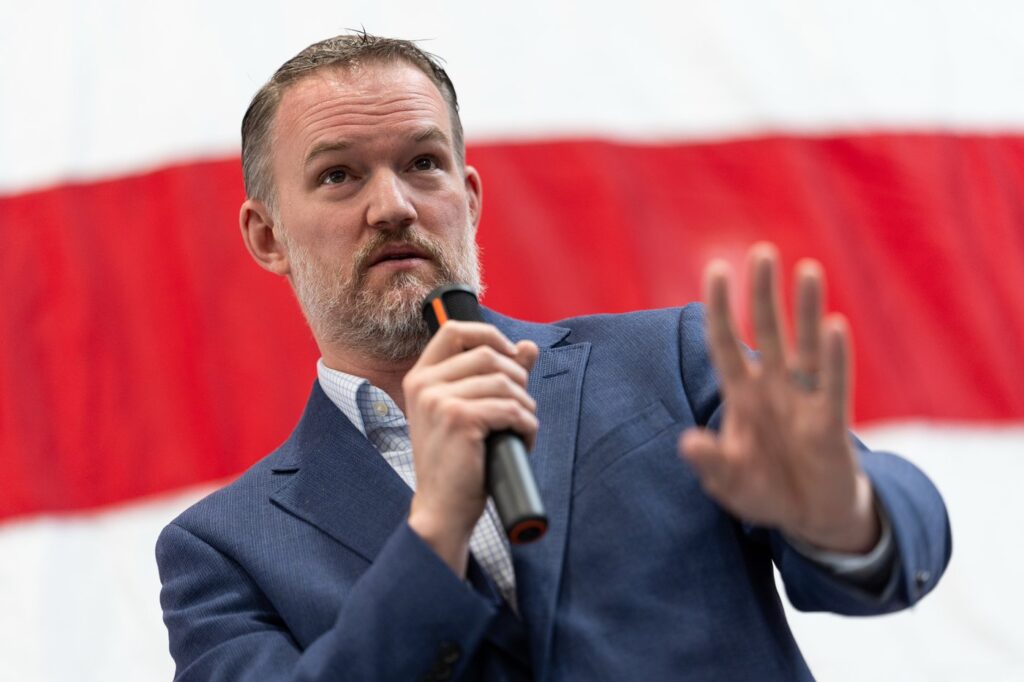
The impending World Cup final on Sunday in East Rutherford, New Jersey, is unlikely to be postponed due to the Canadian wildfire smoke drifting into the area. However, worsening air quality remains a concern that could lead officials to consider delaying the kickoff, according to medical expert Dr. Myles Druckman, senior vice-president and global medical director at International SOS.
Dr. Druckman remarked that officials will actively monitor the air quality throughout the day. If the smoke conditions worsen significantly around the New Jersey stadium, a delay could be on the table. “What we’re all hoping for is that we’ll get both the weather clearing some of the smoke and the weather changing directions, as well as potentially the fire dissipating,” he stated. The combination of heat and smoke is particularly troublesome, prompting concerns from health officials.
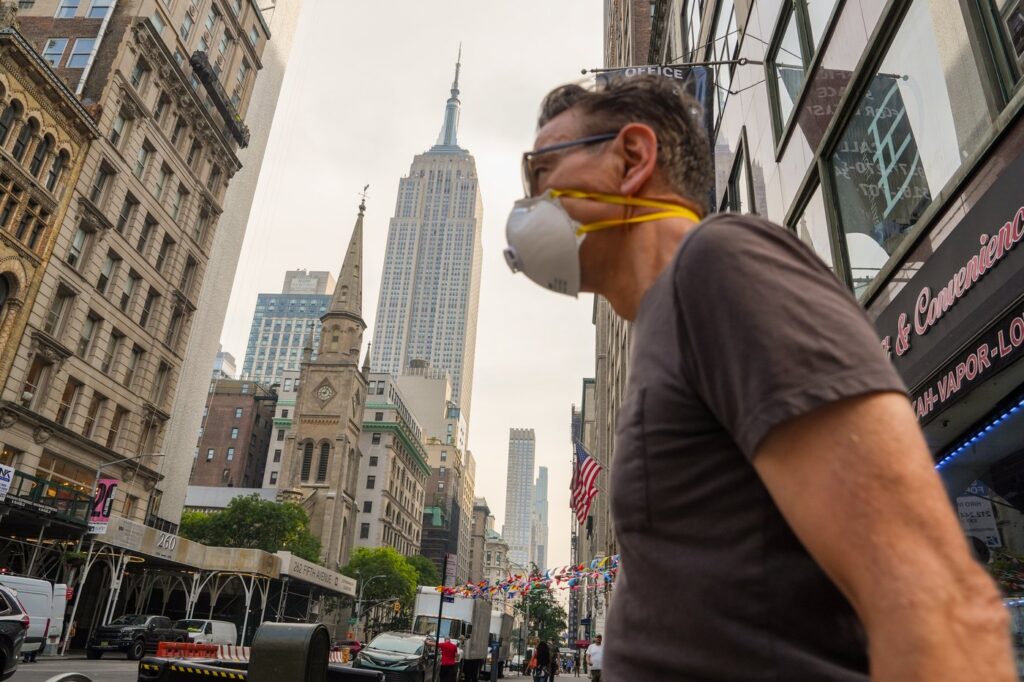
The New Jersey area has experienced what Dr. Druckman calls “yellow-outs” in recent years, where visibility is severely reduced. “You’re driving with your lights on,” he described, emphasizing that if such conditions develop again, a delay of the match would be likely. Current hazy skies over the New York-New Jersey region have raised questions about air quality and its potential impact on the World Cup final, although the World Health Organization has provided forecasts indicating an improvement to a “moderate” air quality level in East Rutherford.
While the air quality improved on Friday, uncertainty remains due to the weather system expected to bring up to 3.17 centimeters of rain on Saturday. Already this week, the wildfire smoke has caused sporting events in both Canada and the United States to be canceled or rescheduled. For instance, the Vancouver Whitecaps' Major League Soccer match was postponed, as was a Canadian Premier League game between Forge FC and Pacific FC in Hamilton due to the smoke from northern Ontario.
Air quality concerns also impacted a game between the New York Mets and the Philadelphia Phillies, prompting officials to move the start time earlier on Thursday night. Dr. Druckman watched the game and noted how the air conditions deteriorated, stating, “You could see the haze roll over the stadium.” Philadelphia Phillies star Bryce Harper even commented on the situation, saying it was “not the greatest idea, I guess, to come out here and play in this type of weather.”
Health considerations for the tens of thousands of spectators in attendance are paramount. Dr. Druckman pointed out that the health of fans in the stadium is just as important as that of the players, particularly since many spectators will be cheering and shouting while breathing in potentially harmful smoky air. He added that while New Jersey is far from the source of the wildfires, smoke can still cause respiratory irritation.
“You’re not going to probably see some of the really dangerous small-particle chemicals because they dissipate more quickly than the larger particles,” Druckman explained. “But all of those can cause harm to people’s respiratory system, and itchy eyes and irritation.” Unlike some organizations, like the Canadian Football League, which have clear air-quality protocols for postponements, FIFA has yet to publicly define what specific conditions might trigger a delay.
The increasing frequency of wildfire smoke events is likely to compel sports organizations to establish clearer standards in the future. “These types of events push it to the forefront for all organizations,” Dr. Druckman concluded. “It is going to push sports organizations to develop some standards so everyone is on the same playing field, as they say, when it comes to this.” He noted that as these unfortunate events become more common, organizations will certainly have to plan for them.