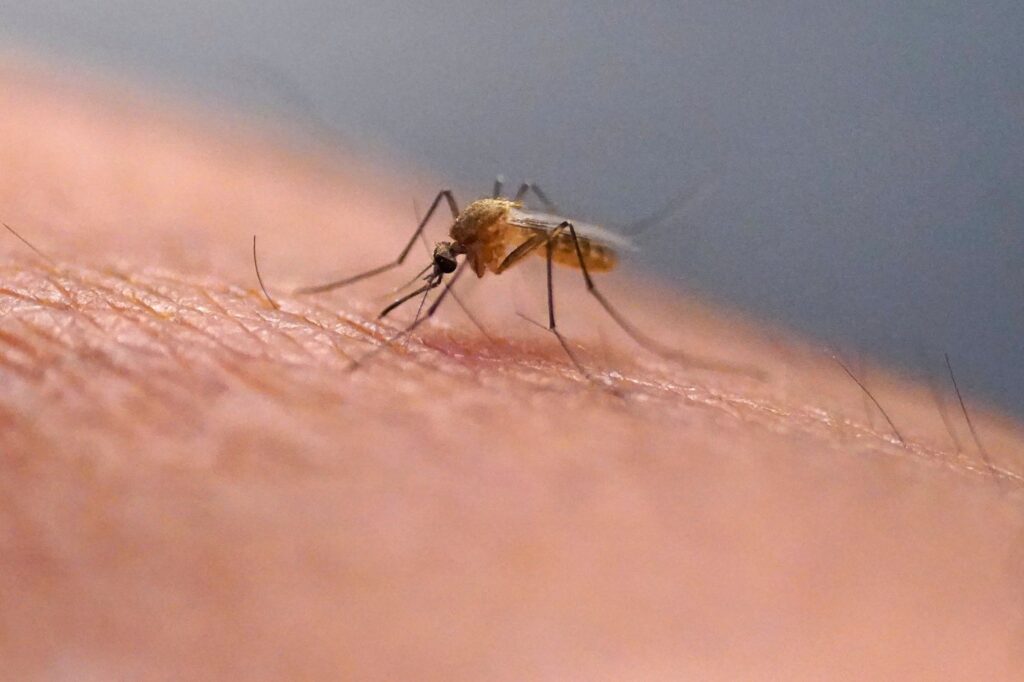
Toronto Public Health (TPH) has reported that a batch of mosquitoes found in the city has tested positive for the West Nile virus, marking the first confirmed case of the year. This announcement was made on Friday, indicating the beginning of heightened vigilance regarding mosquito-borne illnesses in the area.
The ongoing mosquito surveillance conducted by TPH runs from mid-June to mid-September. Each week, 22 traps are strategically placed across Toronto to capture mosquitoes, which are subsequently sent to a laboratory for identification and testing. This surveillance is crucial to monitor and control potential outbreaks of mosquito-borne diseases, including West Nile virus.
Despite the discovery, TPH assures residents that the risk of contracting West Nile virus in Toronto remains low. However, public health officials strongly recommend that citizens take necessary precautions to prevent mosquito bites. This advisory is particularly pertinent given that mosquitoes are known vectors of the virus, and individuals can become infected when bitten by an affected mosquito.
The timing of TPH's announcement comes shortly after public health officials in York Region, which is located near Toronto, informed their residents about a similar situation involving mosquitoes that have also tested positive for West Nile virus. This regional context further underscores the need for public awareness and preventive measures as mosquito season is in full swing across Ontario.
West Nile virus is an infection that can pose significant health risks, particularly to vulnerable populations, including the elderly and individuals with compromised immune systems. Symptoms can range from mild flu-like signs to severe neurological complications, making it essential for the public to remain informed and cautious. TPH emphasizes that taking preventive actions can greatly reduce the chances of infection.
To mitigate the risks associated with West Nile virus, officials recommend several practical measures for the public. Residents are advised to wear light-colored clothing that offers good coverage of exposed skin. This practice can help in reducing mosquito bites, as darker colors tend to attract these insects. Additionally, the use of insect repellent approved by Health Canada is strongly suggested, providing an extra layer of protection against mosquito bites.
As the summer progresses, the presence and activity of mosquitoes are expected to increase, making it more critical than ever for residents to remain vigilant about their surroundings and adopt the recommended protective measures. With ongoing monitoring and public health advisories, TPH aims to keep Toronto residents informed about the current mosquito population and any related health risks.
In summary, health officials are urging people to take preventive steps against mosquito bites in light of the positive identification of West Nile virus in local mosquito populations. Continued collaboration between public health officials and the community is vital to minimize the impact of this infection and ensure public safety.