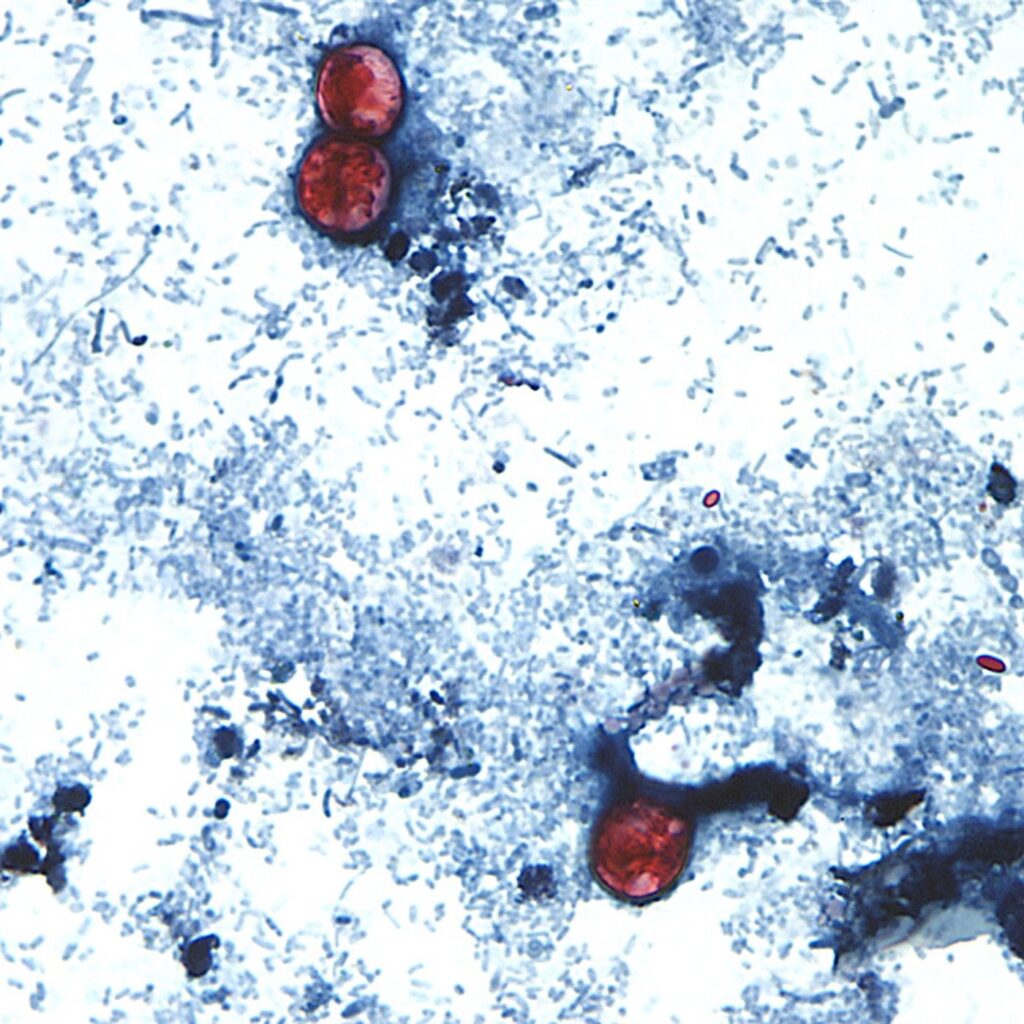
OTTAWA – Federal officials in Canada have confirmed that there have been no reported outbreaks of Cyclospora, a parasite that causes diarrhea, within the country. Furthermore, no iceberg lettuce implicated in a current outbreak occurring in the United States has been distributed in Canada.
The outbreak in the U.S. has been linked to iceberg lettuce sourced from Mexico, particularly served at Taco Bell restaurants in five states: Indiana, Kentucky, Michigan, Ohio, and West Virginia. The Centers for Disease Control and Prevention (CDC) in the U.S. has issued a warning advising consumers not to eat shredded iceberg lettuce from those Taco Bell locations.
In response to the situation, the Canadian Food Inspection Agency (CFIA) stated that it is actively monitoring developments while maintaining contact with the U.S. Food and Drug Administration (FDA). The CFIA is currently reviewing information provided by American health authorities. According to CFIA, there are no current plans to implement restrictions on fresh produce imports from the United States. The agency conducts regular testing for Cyclospora as part of its established surveillance program, which focuses on imported fresh whole and cut leafy vegetables, fresh leafy herbs, as well as certain berries like raspberries and blackberries.
The Public Health Agency of Canada (PHAC) has further confirmed that it is not investigating any Cyclospora outbreaks at this time; however, there is often a spike in infections during the spring and summer months, typically linked to the consumption of imported fruits and vegetables.
As part of the ongoing investigation, the FDA has identified a single supplier, Taylor Fresh Foods, based in California, which is affiliated with a “specific independent farm.” The FDA's testing has prompted Taylor Fresh Foods to voluntarily withdraw all iceberg lettuce sourced from central Mexico from the U.S. market.
In light of these developments, Taco Bell has announced that it will switch to a different supplier for its lettuce needs. According to recent data released by the CDC, since May, nearly 7,000 individuals across multiple states may have contracted cyclosporiasis, which is an intestinal illness caused by the Cyclospora parasite. Symptoms include watery diarrhea, which may last six to seven weeks, along with other gastrointestinal issues such as nausea, bloating, gas, stomach cramps, loss of appetite, fatigue, weight loss, and mild fever.
Importantly, Cyclospora is unique in that it cannot be transmitted from person to person. For the parasite to spread, it must leave the infected individual’s body through feces and remain outside, in the environment, for about a week to 15 days. This characteristic means that food may become contaminated when fecal matter from an infected person taints the water supply used for agricultural purposes or contaminates food during processing or packaging.
The Public Health Agency of Canada has recommended that Canadians consider eating local produce, particularly during the spring and summer, as a preventive measure to reduce their risk of illness related to foodborne parasites.